
Vegetables
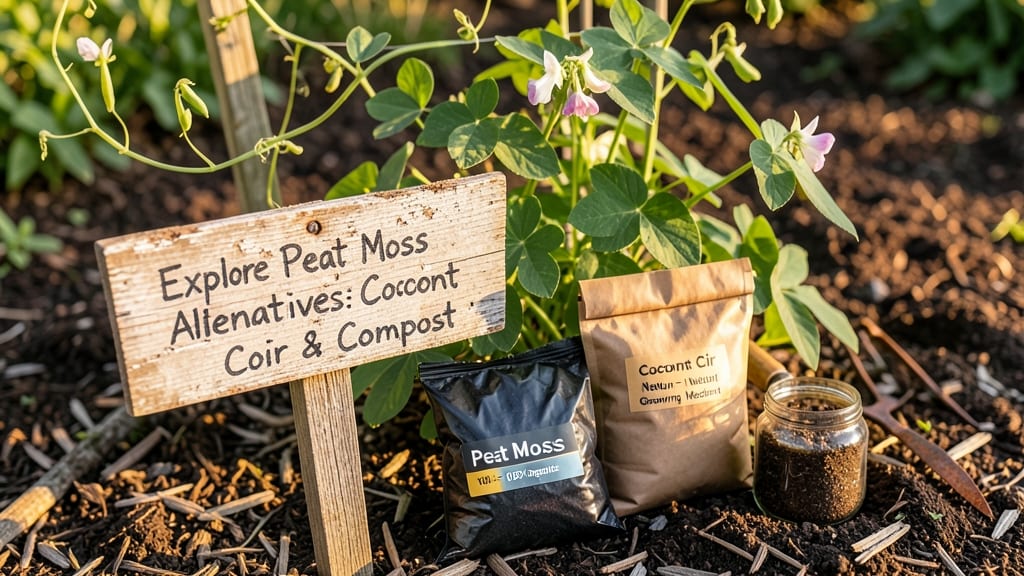
Peat moss is bad for vegetable gardens because it harms ecosystems by depleting carbon-rich bogs, releases stored CO₂ when dried, and lacks essential nutrients for long-term plant health. Sustainable alternatives like coconut coir or compost improve soil without environmental damage.
Peat moss may seem like a gardener's best friend, but its environmental cost is too steep for vegetable gardens. 🌱 Harvesting peat destroys fragile wetlands that take centuries to form, while dried peat releases stored carbon dioxide—accelerating climate change.
Plus, it drains nutrients quickly, leaving your plants hungry for long-term growth. The good news? Alternatives like coconut coir mimic peat's moisture retention without the ecological harm, while compost adds organic matter that benefits both soil and plants.
For vegetable gardens, the switch to sustainable options isn't just eco-friendly—it's smarter. Peat-free mixes retain moisture longer, support beneficial microbes, and provide steady nutrition.
I've seen firsthand how compost-amended soil produces healthier plants with fewer inputs. 💚 The key is balancing texture and nutrients, whether you're blending coir with worm castings or layering compost with leaf mold. Your garden—and the planet—will thank you.
💡 In This Article
- Environmental Impact of Peat Moss on Wetlands and Carbon Emissions
- Best Peat-Free Soil Amendments for Vegetable Gardens
Environmental impact of peat moss on wetlands and carbon emissions
Peat moss forms over centuries in wetlands through the slow decomposition of sphagnum moss and other plant matter. These bogs act as natural carbon sinks, storing twice as much carbon as all the world's forests combined.
When harvested, peat moss releases stored carbon dioxide (CO₂) and methane (CH₄) into the atmosphere—equivalent to 100 million tons of CO₂ annually from global peat extraction. The process also destroys fragile ecosystems where rare species like the bog asphodel and carnivorous plants thrive.
The extraction process itself is devastating. Heavy machinery tears up peatlands, compacting the soil and preventing water from draining properly.
This creates acidic, waterlogged conditions that suffocate plant life and release more greenhouse gases. 🌍 What's worse, it takes 1,000 years for a peatland to regenerate just 1 centimeter of peat—meaning every cubic meter harvested is centuries of lost carbon storage.
For vegetable gardens, the problem extends beyond climate impact. Peat moss has a pH of 3.5-4.5, which is too acidic for most vegetables that prefer neutral to slightly alkaline soil (pH 6.0-7.0).
While it holds moisture well, it lacks essential nutrients like nitrogen, phosphorus, and potassium, forcing gardeners to rely on synthetic fertilizers—adding another environmental burden.
Biodiversity loss is another hidden cost. Wetlands filter water, prevent flooding, and provide habitats for migratory birds and amphibians. Peat extraction disrupts these cycles, contributing to species decline. For example, the European eel population has plummeted by 95% in some regions due to habitat destruction from peat harvesting.
Even when peat moss is used responsibly, its sustainability is questionable. Most commercial peat comes from Finland, Ireland, and Canada, where mining operations expand into protected areas. The EU has banned peat use in horticulture by 2030, recognizing its irreversible ecological damage.
For gardeners, this means the time to switch is now—before more wetlands vanish.
What makes this especially frustrating is that peat moss's benefits can be replicated without harm. Alternatives like coconut coir or compost provide similar moisture retention while improving soil health. The choice isn't just ethical—it's practical. Your vegetable garden deserves soil that nourishes plants and preserves ecosystems. 💚