
How To
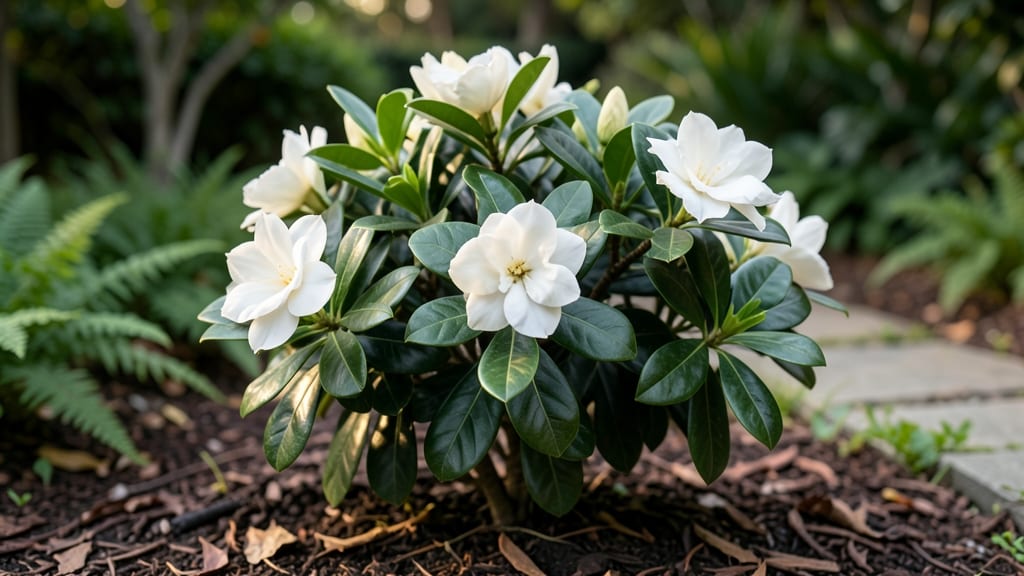
Gardenia plants grow between 2 and 6 feet tall, depending on the variety and care you provide—some stay compact while others reach small-tree heights.
If you’re dreaming of fragrant gardenias but worried about space, you’ll love this—these tropical beauties can be pruned into compact shrubs or left to grow as towering statements, all while filling your garden with intoxicating scent.
The standard varieties, like the classic Gardenia jasminoides 🌸, typically hit 4 to 6 feet when mature, making them perfect for borders or as standalone shrubs. Meanwhile, dwarf types stay between 2 and 3 feet, ideal for containers or small gardens.
In this guide, I’ll break down how to control their height through pruning, sunlight placement, and soil care—so you can grow the perfect gardenia for your space, whether you want a neat hedge or a romantic, fragrant centerpiece.


Gardenia height by variety: compact vs. towering growth habits
If you're planning your garden layout, understanding gardenia height by variety is key to creating the perfect space. Some varieties stay compact at just 2-3 feet tall, while others can reach 10 feet or more when left unpruned.
The good news? With the right variety and pruning techniques, you can tailor your gardenia's height to fit any garden design—from container gardens to backyard borders.
Choosing the right gardenia variety for your space ensures you get both the fragrant blooms and the ideal height. Dwarf varieties are perfect for small gardens, patios, or even as indoor plants, while taller types make stunning focal points or privacy screens.
Let’s explore the most popular gardenia varieties and their mature heights to help you pick the perfect fit for your landscape.
🌱 Tip: Always check your local USDA hardiness zone (gardenia thrives in zones 6-10) before selecting a variety, as some tropical types may need winter protection.
For small-space gardening, the Radicans and Kleim’s Hardy varieties are my top picks. These dwarf gardenias stay under 4 feet tall and thrive in containers, making them perfect for balconies or sunny porches.
Their compact size also means they require less pruning, saving you time while still delivering that signature gardenia fragrance.
If you're working with a larger garden or landscape, varieties like Fortuniana or Jasminoides 'Veitchii' will give you that towering gardenia effect you might be dreaming of. These types can reach 6-10 feet tall and create stunning visual impact when planted near patios or along walkways.
Just be prepared to provide regular pruning to maintain their shape and encourage more blooms.
One of the most common questions I get is: "Can I grow a tall gardenia in a container?" The short answer is yes, but with limitations.
While dwarf varieties like Radicans will thrive in containers, taller types like Augusta need a large pot (at least 20 gallons) and frequent pruning to manage their height. Always choose a container with drainage holes and use a well-draining potting mix to prevent root rot.
When placing your gardenia, consider its mature height and spread. A 6-foot-tall variety planted near a 3-foot-tall window will eventually block sunlight, while a dwarf gardenia in a shady corner may struggle to bloom.
Aim to plant taller varieties where they won’t obstruct views or structures, and give them 6-8 feet of space to grow without crowding other plants.
🌿 Pro Tip: If you love the look of a tall gardenia but have limited space, consider training it as a small tree by pruning side branches and allowing one central leader to grow. This creates a miniature gardenia tree that stays manageable while still making a statement.
Finally, remember that gardenia height isn’t set in stone. With regular pruning
Pruning gardenias for height control: step-by-step techniques
Controlling the height of gardenias is easier than you think! These lush shrubs typically reach 4-6 feet at maturity, but with strategic pruning techniques, you can shape them into compact 2-3 foot shrubs or even taller statement plants.
The key is timing—prune at the right season and use the right tools to encourage healthy growth without sacrificing those fragrant blooms you love.
Spring is the best time to prune gardenias for height control, as it stimulates new growth while avoiding winter dormancy. Summer pruning is also possible, but it should be light and minimal to prevent stressing the plant before fall.
Always use clean, sharp pruners to avoid tearing branches, which can invite disease. I recommend disinfecting your tools with rubbing alcohol before and after pruning to keep your gardenia healthy.
Step-by-Step Pruning Guide
- 1 Choose the right time: Prune in early spring (March-April) or late summer (August-September). Avoid pruning in fall or winter when the plant is dormant.
- 2 Gather your tools: Use bypass pruners for small branches and loppers for thicker stems. Have gloves and disinfectant ready to protect yourself and your plant.
- 3 Identify the target height: Decide whether you want a compact gardenia (2-3 ft) or a taller statement plant (6+ ft). For compact growth, prune back by 1/3 of the plant's height each year.
- 4 Prune selectively: Cut just above a leaf node or bud to encourage new growth. Avoid cutting into old wood, as it won’t regrow. For height control, focus on the topmost branches first.
- 5 Shape the plant: Remove any dead, diseased, or crossing branches to improve airflow and sunlight penetration. Aim for a balanced, open shape to encourage more blooms.
- 6 Clean up and fertilize: Remove all pruned debris from the area to prevent pests or disease. After pruning, apply a balanced fertilizer (like 10-10-10) to support new growth.
Pro tip: If you’re aiming for a dwarf gardenia, prune more aggressively in spring and lightly in summer to maintain the 2-3 foot height. For taller varieties, focus on shaping rather than drastic cuts to encourage vertical growth.
Always step back and assess your gardenia’s shape after pruning—this helps you see the overall balance and make adjustments as needed.
Remember, gardenias respond well to regular, gentle pruning. Over-pruning can stress the plant and reduce blooming, so aim for 1-2 pruning sessions per year and avoid cutting back more than 1/3 of the plant’s height in a single session.
With patience and practice, you’ll master the art of pruning gardenias to fit your space perfectly.
🌿 For a seasonal pruning checklist, mark these key dates: March (spring prune), June (light maintenance), and August (summer prune). Keep your gardenia thriving and fragrant all year round! ✂️