
How To
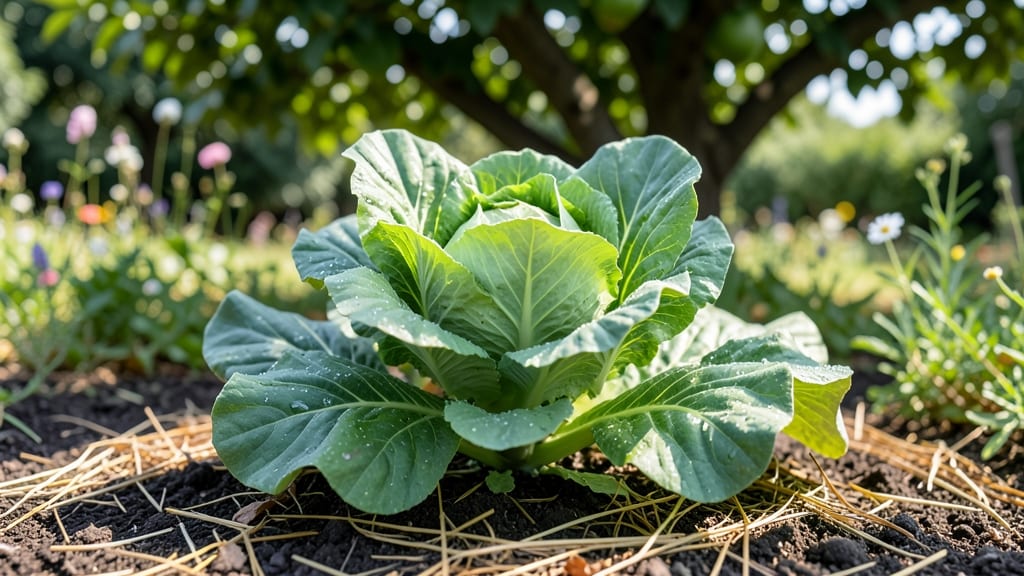
Growing a lettuce garden 🥬 is easier than you think—especially when you pick the right varieties and follow a few simple steps for fast, crisp harvests.
Imagine crisp, homegrown lettuce ready in just 30 days—no pesticides, no grocery store markup, just fresh greens straight from your garden. Whether you have a sunny backyard or a shady balcony, lettuce thrives in conditions where other veggies struggle.
This guide covers everything from selecting the fastest-growing varieties to mastering shade-proof techniques, so you can enjoy salads all season long without common mistakes like bolting or bitterness.
You’ll learn how to prep soil, space plants, and keep pests at bay—plus troubleshooting tips to save your crop if things go wrong. Let’s get those seeds in the ground!


Fastest growing lettuce varieties for quick harvests
If you're dreaming of a homegrown salad in under a month, you're in luck—lettuce is one of the fastest crops to grow. Whether you're a beginner gardener with limited space or an urban dweller on a balcony, these quick-maturing varieties deliver crisp, fresh greens in 30-50 days.
The key? Choosing the right types that thrive in your growing conditions, from partial shade to full sun. Let's dive into the top 5 varieties that'll have you harvesting in record time.
For fastest results, look for leaf lettuce varieties—they mature quicker than head types like romaine or iceberg. These varieties also handle heat better than traditional lettuce, making them perfect for spring and fall planting in most climates.
Even in shady spots, some types will grow surprisingly well with just 4-6 hours of sunlight daily. Let's explore the best options for your garden setup.
📌 Quick Tip: Always check your last frost date (typically April 15 in Zone 6a) and plant these varieties 4-6 weeks before for spring harvests. For fall, aim for 8-10 weeks before the first frost (October 15). This timing ensures you avoid the bitter bolting that happens when days get too long or hot.
Let's start with Black Seeded Simpson, a loose-leaf variety that matures in just 30-35 days. This is my go-to for urban gardeners or anyone with limited space because it grows well in containers and tolerates partial shade beautifully.
It's also heat-tolerant, making it ideal for late spring or early fall plantings when temperatures start to rise. For continuous harvests, simply snip the outer leaves—this variety keeps producing for weeks.
If you're gardening in hotter climates or want to extend your harvest season, Salad Bowl is a game-changer. It handles heat like a champ and matures in 35-40 days, giving you crisp leaves even when other varieties bolt.
This buttercrunch-type lettuce is perfect for succession planting—sow a new batch every 2 weeks for a never-ending salad supply. It thrives in full sun but also does well in partial shade, making it versatile for different garden setups.
For shadier spots where sunlight is limited, Arctic King is your best bet. This cabbage-type lettuce matures in 40-45 days and handles partial shade with ease, needing just 3-4 hours of sunlight daily. It's also slow to bolt, so it's great for extended growing seasons.
While it may not be as heat-tolerant as Salad Bowl, it's perfect for under tree canopies or north-facing gardens where other lettuces struggle.
Looking for something bold and colorful? Merlot lettuce delivers deep red leaves that mature in just 30-35 days—perfect for adding visual interest to your garden. This heat-tolerant variety is also loose-leaf, so you can harvest leaves as needed without waiting for a full head.
It grows well in full sun to partial shade, making it a great choice for container gardens or raised beds where you want both beauty and productivity.
Finally, if you love ornamental greens with a slightly nutty flavor, Oakleaf lettuce is a stunning pick. Its frilly, oak-shaped leaves mature in 45-50 days and add a gourmet touch to salads.
While it takes a bit longer to harvest, it's slow to bolt and handles partial shade well, making it ideal for shadier corners of your garden. Plus, its decorative appeal makes it a favorite for gardeners who love both beauty and bounty.
Pro tip: To maximize your harvest, **inter
Shade-proof lettuce gardening: best practices for low-light success
Growing lettuce in partial shade isn't just possible—it's a fantastic way to enjoy fresh greens without competing for sunlight. Many gardeners assume lettuce needs full sun, but shade-tolerant varieties thrive under trees or on north-facing patios.
The key lies in choosing the right varieties, amending your soil, and mastering a few shade-specific care techniques.
My first year gardening under a large oak tree, I nearly gave up on lettuce until I discovered Buttercrunch and Black Seeded Simpson varieties. These loose-leaf and romaine types handle low light better than crisphead lettuces.
With the right approach, you can harvest tender leaves in as little as 30 days even in shady spots.
- 1
- 2
- 3
- 4
- 5
- 6
One of my biggest shade-gardening lessons came when I tried growing lettuce under a maple tree. The falling leaves created a natural mulch layer, which actually helped retain moisture—but it also smothered young seedlings.
Now, I clear fallen leaves before planting and use straw mulch instead to control weeds without blocking light.
For container gardening in shade, I swear by self-watering planters with fabric grow bags. These prevent root rot while maintaining consistent moisture, which is critical in low-light conditions. Fill containers with a mix of 50% potting soil, 30% compost, and 20% perlite for optimal drainage.
Remember, shade-grown lettuce will have a milder flavor and slightly slower growth, but the trade-off for fresh greens year-round under trees is worth it. My shade lettuce patch now produces enough for weekly salads, and I've even experimented with microgreens in indoor windowsills for winter harvests.
If you're new to shade gardening, start small with 4-6 plants in a container or small bed. Monitor their progress closely—lettuce in shade is forgiving but requires attentive care to avoid common issues like slug damage or powdery mildew from excess humidity.