
Tools
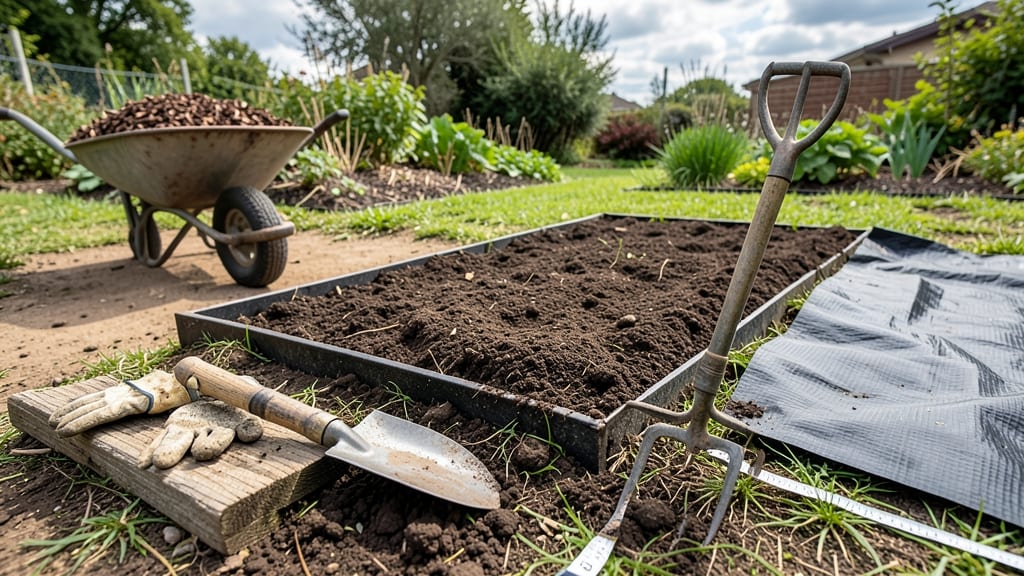
To make a garden bed, clear the area of grass or weeds, loosen the soil with a shovel or tiller, mix in compost for nutrients, and define borders with edging or mulch for clean lines and weed control. Space plants based on mature size for optimal growth.
Creating a garden bed starts with picking the right spot—most vegetables need at least 6 hours of sunlight daily, and well-draining soil prevents root rot. 🌱 I always test my soil first using a simple pH kit; most plants thrive in slightly acidic to neutral soil (6.0-7.0).
The key is balancing your native soil with 2-3 inches of compost to boost fertility without overwhelming plants. This prep work might take a weekend, but it sets up your garden for bountiful harvests all season long.
For layout, think about how your plants will grow. Square foot gardening works well for small spaces, where you divide a 4x4-foot bed into 1-foot squares and plant specific crops in each. Larger beds benefit from raised edges or mulch borders to keep weeds out and define planting zones.
Pro tip: sketch your design first—this helps visualize spacing and companion planting pairings, like basil near tomatoes to repel pests.
💡 In This Article
- Choosing the Right Garden Bed Location and Soil Mix
- Garden Bed Layout Tips for Small and Large Spaces
Choosing the right garden bed location and soil mix
Sunlight is the single most critical factor for a productive garden bed. Most vegetables need 6-8 hours of direct sunlight daily—think of it as their energy source for photosynthesis.
Leafy greens like spinach tolerate 4-6 hours, while heavy feeders like tomatoes and peppers demand full sun. 🌞 I’ve noticed that even a few feet difference in my yard can mean the difference between thriving plants and stunted growth.
For example, my morning sun spot gets bright light for only 4 hours, so I reserve it for herbs and lettuce rather than tomatoes.
The soil beneath your bed tells the whole story of your garden’s potential. Clay soil drains poorly and can suffocate roots, while sandy soil drains too quickly, depriving plants of moisture and nutrients.
The ideal mix is loamy soil—about 40% sand, 40% silt, and 20% clay—which holds moisture but allows air circulation. To test your soil’s texture, grab a handful when wet: if it forms a loose ball that crumbles easily, you’re in the sweet spot.
For heavy clay, amending with 3-4 inches of compost and coarse sand can work wonders over time.
Compost is the secret weapon in garden bed prep, but the ratio matters. A general rule is 1 part compost to 2 parts native soil for most vegetables, though nitrogen-loving plants like corn or leafy greens benefit from slightly more compost (1:1 ratio).
I always mix compost into the top 6-12 inches of soil to ensure roots have access to nutrients throughout their growing season. 🌱 Pro tip: Use a soil pH test kit (available for under $10) before planting—most vegetables prefer a range of 6.0-7.0, while blueberries and potatoes thrive in slightly acidic soil (5.0-6.0).
Drainage is another silent hero in garden bed success. Poor drainage leads to root rot, especially in rainy climates. To check drainage, dig a 12-inch hole, fill it with water, and time how long it takes to drain.
If water lingers beyond 6 hours, consider raising your bed or adding organic matter to improve structure. For containers or raised beds, ensure they have drainage holes—even a slight elevation can prevent waterlogging.
I’ve seen raised beds in my neighborhood last decades because they’re built with drainage in mind from day one.
Don’t overlook the role of organic matter beyond compost. Adding 1-2 inches of aged manure or worm castings can further boost microbial activity in the soil, which breaks down nutrients into forms plants can absorb. These amendments also improve soil structure by encouraging earthworms and beneficial fungi.
For instance, worm castings contain 5 times more nitrogen, phosphorus, and potassium than regular soil, making them a powerhouse for seedling growth. 💫 The key is patience—soil improvement is a gradual process, but each season builds on the last.
Finally, consider your garden’s long-term health by avoiding synthetic fertilizers in the early stages. While they provide quick nutrients, they can disrupt the natural balance of soil microbes that work tirelessly to break down organic matter.
Instead, focus on building a living soil ecosystem through compost, mulch, and cover crops. This approach not only feeds your plants but also creates a resilient foundation that reduces the need for future amendments.