
Landscaping
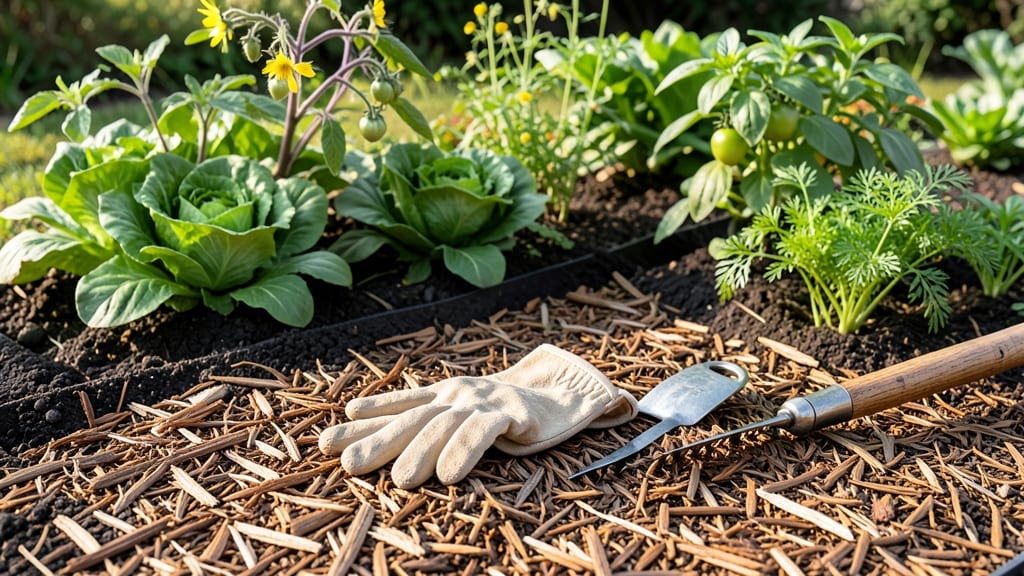
Cedar mulch can be good for vegetable gardens because it deters pests naturally, locks in moisture, and enriches soil over time. However, its acidic nature and natural oils may stunt growth in sensitive plants like tomatoes, peppers, or cabbage families.
Cedar mulch works wonders for many vegetables by suppressing weeds and keeping roots cool, but its acidity (pH 5.0–6.5) can limit nutrient uptake for acid-sensitive crops. 🌱 The aromatic oils also act as a natural pest deterrent, which is fantastic for beans or lettuce.
For tomatoes or brassicas, I recommend mixing cedar with neutral mulches like straw or hardwood chips to dilute its effects while still enjoying its moisture-retaining benefits.
What many gardeners don't realize is that cedar mulch breaks down slowly, so its benefits compound over seasons. Just be mindful of placement—keep it 3–4 inches away from plant stems to prevent rot.
For acid-loving plants like blueberries, cedar actually enhances growth, making it a double-edged tool depending on your garden's needs.
💡 In This Article
- How Cedar Mulch Affects Soil and Plant Growth
- Safe Vegetables for Cedar Mulch Gardens
How cedar mulch affects soil and plant growth
Cedar mulch releases natural oils called phenols and tannins that act as a slow-release pesticide, deterring pests like slugs and rabbits while suppressing weeds. These compounds also create a slightly acidic environment (pH 5.0–6.5), which benefits some plants but stresses others.
The breakdown process releases organic matter that improves soil structure over time, increasing water retention by up to 30% compared to bare soil.
The aromatic oils in cedar mulch have antimicrobial properties that can temporarily reduce beneficial soil microbes, but this effect diminishes as the mulch decomposes over 12–24 months.
This decomposition also releases nitrogen, which helps feed plants—but the slow release means it's best used in established gardens rather than new plantings. The mulch's coarse texture creates air pockets, preventing soil compaction while maintaining cooler root zones during summer heat.
For acid-loving plants like blueberries or azaleas, cedar mulch is ideal because it mimics their natural soil conditions. However, vegetables sensitive to acidity—such as tomatoes, peppers, and brassicas—may struggle due to reduced nutrient availability, particularly calcium and magnesium.
The mulch's natural oils can also inhibit seed germination in some plants, so it's best applied after seedlings have established.
One key advantage is cedar's resistance to rot, meaning it lasts longer than pine or straw mulch without breaking down into a slimy mess. This longevity makes it cost-effective over time, though you'll need to replenish it every 2–3 years for optimal performance.
The visual appeal of cedar's reddish-brown hue also adds aesthetic value to vegetable gardens, making it a practical and attractive choice.
To mitigate risks, always apply cedar mulch in a 3–4 inch layer and keep it 3 inches away from plant stems to prevent rot. Mixing it with neutral mulches like hardwood chips can dilute its acidic effects while retaining its moisture-retaining benefits.
For sensitive crops, consider using cedar only in designated paths or around non-sensitive plants.
What's fascinating is how cedar mulch's benefits compound over seasons. In my own garden, I've seen beans and lettuce thrive under cedar while tomatoes nearby required extra calcium amendments. The lesson? Cedar mulch isn't one-size-fits-all, but with smart placement and plant selection, it can be a garden game-changer. 🌱