
Tools
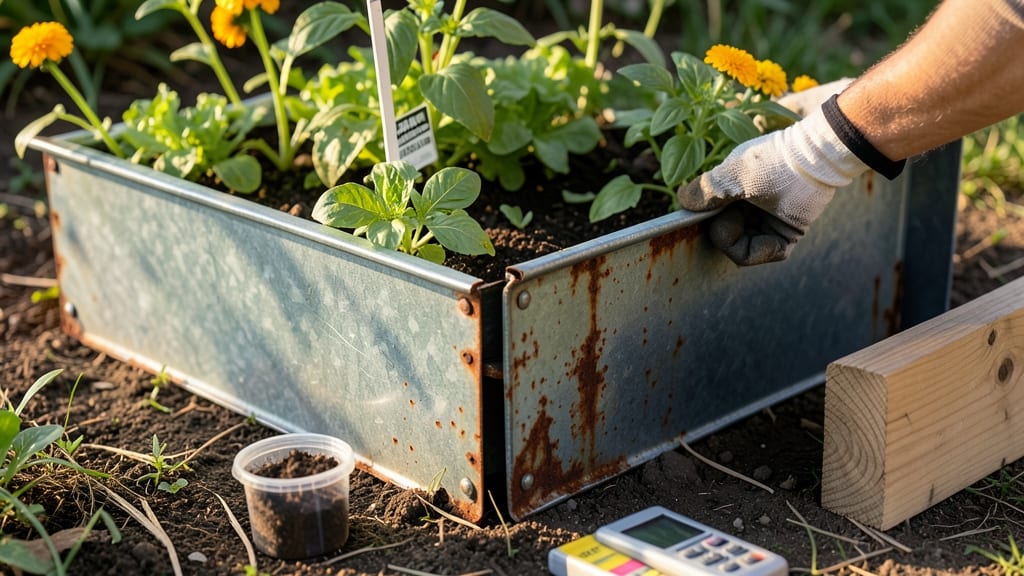
Galvanized steel is not safe for garden beds because its zinc coating can leach into soil, causing zinc toxicity in plants and potentially harming beneficial soil microbes. Opt for untreated steel, stainless steel, or plastic alternatives instead.
Using galvanized steel in garden beds poses a hidden risk because the zinc coating slowly dissolves over time, especially in acidic or moist soil. 🌱 This chemical process creates an excess of zinc that plants can't properly absorb, leading to brown leaf edges or stunted growth.
Even worse, the zinc disrupts soil microbes that help break down organic matter, weakening your garden's natural fertility over time.
For a safer approach, consider stainless steel or untreated steel—both lack the zinc coating while still offering durability. Plastic and composite materials also work well, especially for raised beds, since they won't degrade or leach harmful chemicals.
I've found that plastic lumber is particularly cost-effective for DIY projects and holds up well against weathering.
💡 In This Article
- How Zinc Toxicity Affects Plants and Soil Health
- Best Galvanized Steel Alternatives for Garden Edging and Raised Beds
How zinc toxicity affects plants and soil health
The zinc coating on galvanized steel isn't just a protective layer—it's a time bomb for your garden.
When buried or exposed to moisture, the zinc begins to oxidize through a process called corrosion, where zinc ions gradually dissolve into the soil at rates of 0.1-0.5 grams per square meter annually.
This might seem small, but over 3-5 years, enough zinc accumulates to create toxic levels, especially in container gardens or raised beds where soil volumes are limited. 🌱
Plants absorb excess zinc through their root systems, where it interferes with nutrient uptake—particularly iron and phosphorus. The first visible symptom is often interveinal chlorosis (yellowing between leaf veins) on younger leaves, followed by brown, crispy edges that resemble drought damage.
Tomatoes, peppers, and brassicas are especially sensitive, while zinc-tolerant plants like sunflowers or dandelions may survive but grow stunted with brittle stems.
Soil microbes suffer too, as zinc disrupts the delicate balance of nitrifying bacteria and mycorrhizal fungi that help plants access nutrients. Studies show zinc levels above 300 ppm can reduce microbial activity by 40-60%, weakening your garden's natural fertility.
The pH drop from zinc corrosion also creates acidic micro-zones around the metal, further stressing plant roots. 💥
Testing soil zinc levels is tricky without lab equipment, but you can spot trouble by checking for white or gray crusts on galvanized metal surfaces (a sign of active corrosion) or noticing plants wilting despite adequate watering. The damage often appears 6-12 months after installation, making early prevention critical.
Even if you're not growing edibles, ornamental plants like roses or hydrangeas will show stress, and the soil remains contaminated for years. Unlike organic matter that decomposes, zinc persists in the soil profile, requiring years of compost amendments to restore balance—if it's possible at all in heavily contaminated areas.
Here's what's actually happening at the molecular level: Zinc ions replace essential minerals in plant enzymes, particularly those involved in chlorophyll production. The result is a double whammy—less energy for growth and increased susceptibility to pests, as stressed plants can't produce defensive compounds like phenolics effectively. 🌿
For gardeners using galvanized containers or edging, the risk isn't just theoretical. I've seen tomato plants near galvanized raised beds develop zinc toxicity within two growing seasons, despite regular fertilizing. The moral? When in doubt, choose materials that won't slowly poison your garden's foundation.