
Tools
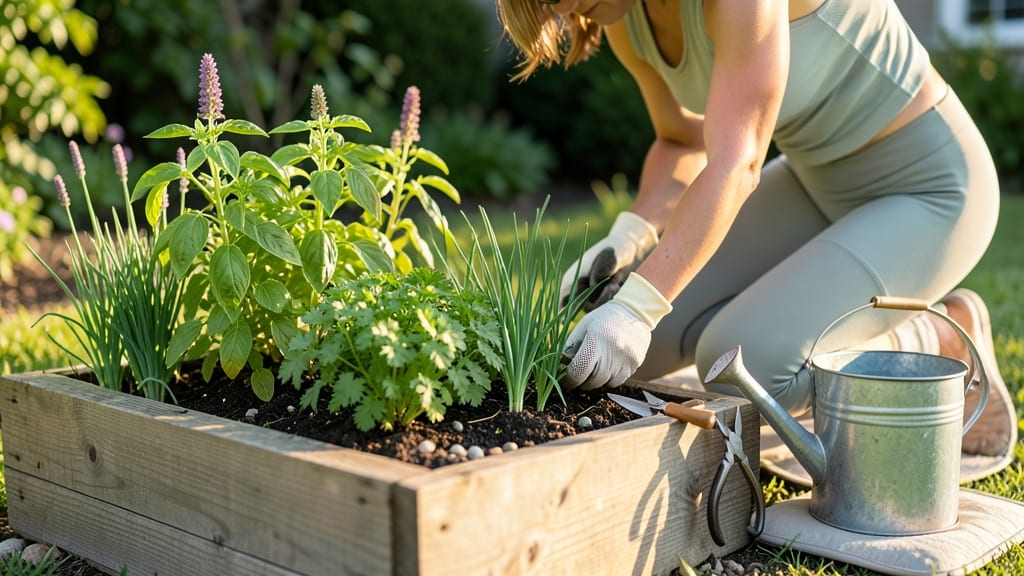
Gardening counts as good exercise because it works your arms, legs, and core while burning 200-400 calories per hour, all while being gentle on joints. The physical demands vary—digging strengthens shoulders, lifting engages your back, and bending improves leg muscles.
Gardening isn't just about growing plants—it's a full-body workout disguised as a hobby. 🌱 The key lies in how different tasks target specific muscles: kneeling stretches your hips, carrying soil builds endurance, and pruning strengthens forearms.
I've seen people who treat their gardens like a fitness routine, adding squats while weeding or timed intervals for more intense calorie burn. Even light gardening can elevate your heart rate, making it a sneaky way to get your daily movement in without feeling like you're at the gym.
What makes gardening unique is its adaptability. Whether you're a beginner with potted plants or a seasoned gardener with raised beds, you can adjust the intensity to match your fitness level. The low-impact nature means it's also joint-friendly, which is why physical therapists often recommend it for rehabilitation.
Plus, the mental benefits of being outdoors add an extra layer of motivation that many traditional workouts can't match.
💡 In This Article
- Calorie Burn and Muscle Engagement in Gardening
- Maximizing Gardening as a Workout: Techniques and Tools
Calorie burn and muscle engagement in gardening
Gardening transforms your backyard into a functional gym by engaging muscles you might not use in traditional workouts. When you dig, your shoulders, upper back, and arms work against resistance, while your core stabilizes to maintain balance.
Studies show that 30 minutes of digging burns about 150-200 calories—similar to a brisk walk but with added strength benefits. The repetitive motion also improves grip strength in your hands and forearms, a benefit often overlooked in cardio-focused exercises.
Carrying heavy pots of soil or mulch turns gardening into a functional strength workout. Lifting 20-30 pounds (the weight of a standard bag of soil) engages your legs, glutes, and lower back while requiring core stabilization.
This mimics the mechanics of a deadlift but with the added benefit of improving balance. Pruning and trimming, meanwhile, work your forearms and wrists with precision movements, enhancing dexterity. The combination of these tasks creates a full-body activation that's harder to replicate with static gym equipment.
What's fascinating is how gardening's low-impact nature makes it accessible for all fitness levels. A 150-pound person might burn 250-350 calories per hour weeding or raking, while more intense tasks like moving garden beds can push that to 400+ calories.
This places it squarely in the "moderate exercise" category alongside activities like cycling or swimming laps. The key difference? Gardening's varied movements prevent workout plateaus that often occur with repetitive cardio machines.
Your heart rate gets a workout too. Activities like shoveling or hauling can elevate it to 50-65% of your max heart rate, the zone where cardiovascular benefits kick in.
Even lighter tasks like planting seeds maintain a steady heart rate, offering continuous low-intensity cardio—ideal for beginners or those recovering from injury. The outdoor setting adds another layer: fresh air and sunlight boost endorphins, creating a mental-physical synergy that traditional gym workouts often lack.
Consider this comparison: 30 minutes of gardening burns roughly the same calories as 30 minutes of yoga (about 120-150 calories), but with significantly more muscle engagement. Where yoga focuses on flexibility and balance, gardening builds functional strength through real-world movements.
The difference lies in the resistance and variety—digging provides constant tension, while yoga's postures are more static. For those tracking fitness metrics, gardening offers a unique blend of cardio and strength without the monotony of treadmill routines.
What most people don't realize is how gardening's interval nature naturally creates workout variety. Moving between tasks—digging, lifting, bending, reaching—keeps your body adapting. This circuit-style approach is why gardeners often report feeling more energized than after equal-time gym sessions.
The unpredictable demands of working with plants force your muscles to engage dynamically, similar to how HIIT workouts challenge your body with varied intensity.