
Planting
Kentucky gardening zones span USDA zones 5b through 7a, with the majority of the state falling in zones 6a-6b. This range creates ideal conditions for both cool-season and warm-season gardening, though timing varies by crop type.
Understanding Kentucky's gardening zones helps you plan your planting schedule with precision. The state's diverse geography—from the Bluegrass Region's rolling hills to the Cumberland Plateau's higher elevations—creates microclimates that can shift frost dates by 1-2 weeks.
For example, Lexington (zone 6b) typically sees its last spring frost around April 15, while Paducah (zone 7a) can be frost-free by March 20. 🌱 This variation means warm-season plants like tomatoes should wait until after May 1 in northern Kentucky, while southern areas can start earlier.
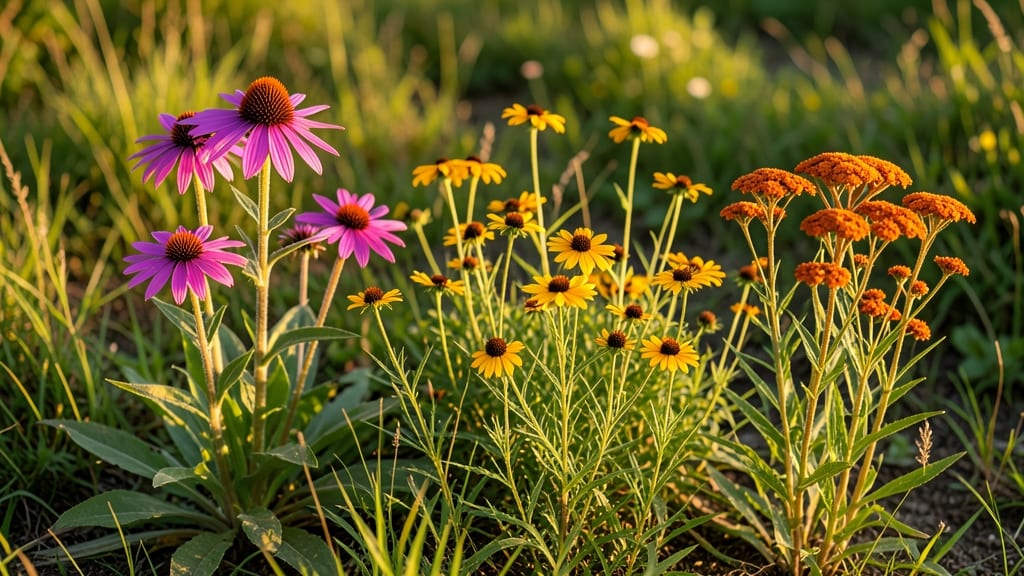
Native plants like black-eyed Susans and coneflowers thrive across all zones, making them low-maintenance choices for Kentucky gardeners.
Your local extension office can provide hyper-local frost date averages, which is especially helpful for zone 5b areas like Pikeville that experience later springs.
The key is matching your planting timeline to your specific zone's last frost date—whether you're sowing cool-season lettuce in early spring or transplanting peppers in late May. This approach maximizes your growing season while minimizing frost damage risks.
💡 In This Article
- Kentucky’s USDA Plant Hardiness Zones Explained
- Best Plants for Kentucky Gardens by Season
Kentucky’s USDA plant hardiness zones explained
Kentucky’s gardening zones are determined by the USDA Plant Hardiness Zone Map, which divides the state into five distinct zones: 5b, 6a, 6b, and 7a. These zones are based on the average annual minimum winter temperatures, with each zone representing a 10°F difference.
For example, zone 5b has winter lows between -15°F and -10°F, while zone 7a ranges from 0°F to 5°F. This gradient affects which plants can survive the winter and thrive in Kentucky’s climate.
The majority of Kentucky falls within zones 6a and 6b, where winter lows typically range from -10°F to 0°F. This creates a unique growing environment where gardeners can cultivate a wide variety of plants, from cold-hardy vegetables to heat-loving annuals.
For instance, Lexington (zone 6b) experiences slightly milder winters compared to Pikeville (zone 5b), where frost can linger longer into spring. Elevation also plays a role—higher areas like the Cumberland Plateau may experience 2-3°F colder temperatures than lower elevations, impacting frost dates by about 1-2 weeks. 🌲
It’s important to distinguish between hardiness zones and planting zones. Hardiness zones indicate which perennials and woody plants can survive winter, while planting zones focus on the timing of frost-free periods. In Kentucky, the last spring frost typically occurs between mid-April and early May, depending on the zone.
For example, zone 7a areas like Paducah can start planting warm-season crops like tomatoes as early as April 15, while zone 5b areas should wait until May 1 or later. This timing ensures that tender plants aren’t damaged by late frosts.
Microclimates further complicate frost predictions. Urban areas, for instance, may experience 2-5°F warmer temperatures than rural regions due to the "urban heat island" effect, while south-facing slopes warm up faster in spring.
Gardeners in zone 6a-6b can leverage these microclimates to extend growing seasons—planting heat-loving crops near south-facing walls or using row covers to protect early spring plantings. Native Kentucky plants, such as purple coneflowers and black-eyed Susans, are well-adapted to these variations and require minimal intervention.
To refine your planting strategy, consult your local Cooperative Extension Service for hyper-local frost date data. These resources provide 7-year averages of last frost dates, which can vary by 10-14 days even within the same zone.
For example, while Louisville (zone 6b) averages a last frost around April 10, nearby areas might see frost as late as April 24.
This precision helps gardeners time their cool-season crops—like spinach and broccoli—for early spring sowing or fall harvests, while warm-season plants like peppers and eggplants are transplanted after the May 1 threshold.
Understanding these nuances allows you to push the boundaries of your growing season. For instance, in zone 6b, you can experiment with overwintering greens under row covers or extend fall harvests by planting radishes and carrots in late summer for a 6-8 week head start.
The key is balancing zone-specific guidelines with real-time weather observations—because even in Kentucky’s predictable climate, Mother Nature occasionally throws a curveball. ✨