
Tools
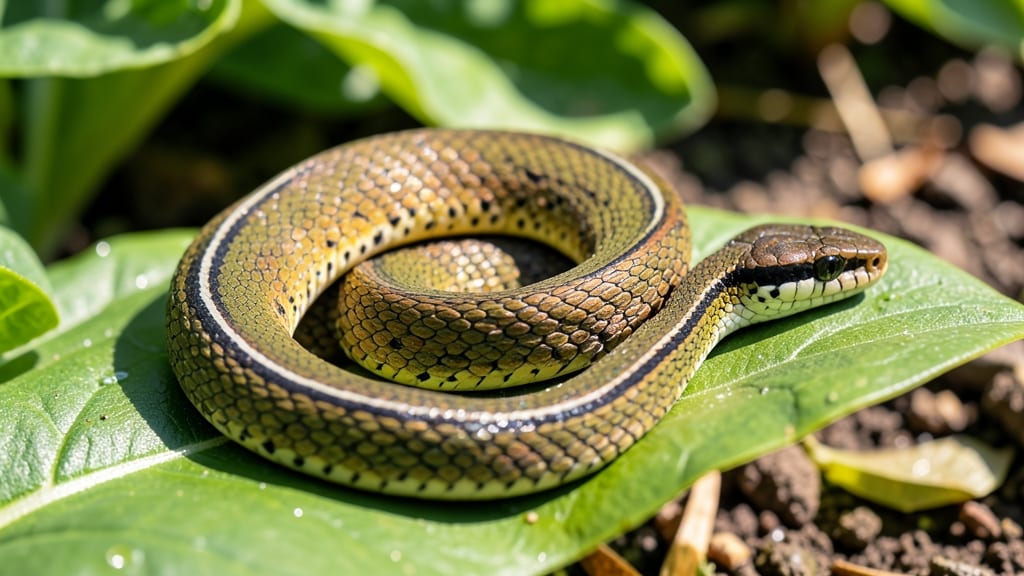
Louisiana garden snakes include species like the rat snake, corn snake, and scarlet kingsnake, all non-venomous and beneficial for controlling pests. Identify them by color patterns, habitat, and behavior before safely relocating or observing them in your yard.
If you're spotting slithering visitors in your yard, these snakes are actually helpful allies. 🐍 Louisiana's warm climate supports a thriving population of non-venomous species that naturally keep rodent and insect populations in check.
The key to peaceful coexistence is learning their distinguishing features—like the scarlet kingsnake's bold red, black, and yellow bands or the corn snake's smooth scales and earthy tones—so you can tell them apart from venomous lookalikes.
I always recommend observing from a distance first, as many people are surprised to learn these snakes rarely bite unless provoked.
For those looking to encourage these beneficial reptiles, focus on creating habitats they'll find appealing: dense ground cover, rock piles, and water sources all attract them. 🌿 However, if you prefer to keep them at bay, sealing entry points and removing food sources like pet food or fallen fruit works better than harsh repellents.
The goal is balance—these snakes serve a vital ecological role in Louisiana's ecosystems.
💡 In This Article
- Common Louisiana Garden Snake Species and Their Traits
- Safe Handling and Relocation Tips for Louisiana Snakes
Common Louisiana garden snake species and their traits
Louisiana's garden snakes primarily consist of three non-venomous species: the rat snake, corn snake, and scarlet kingsnake. The rat snake, also called the pilot black snake, features smooth scales and a pattern of dark blotches along its back, ranging from 3-5 feet in length.
These snakes thrive in wooded areas but often venture into gardens to hunt rodents and insects. Their coloration varies from gray to brown, with some displaying a faint yellowish tint on their undersides.
The corn snake, Louisiana's most common garden snake, has striking red, orange, and white or tan saddle-shaped bands that wrap around its body. Typically 2-4 feet long, they prefer areas with loose soil or leaf litter where they can hide.
Unlike rat snakes, corn snakes are more likely to be found in open fields and agricultural areas. 🐍 What sets them apart is their docile nature—they rarely bite and often freeze when threatened, making them less intimidating to encounter. Their diet primarily consists of small mammals and birds.
The scarlet kingsnake stands out with its bold red, black, and yellow bands that mimic the venomous coral snake, though it lacks the coral snake's white bands. These snakes reach 2-3 feet in length and prefer moist habitats like swamps and marshes but may wander into gardens near water sources.
Their bright coloration serves as a warning to predators about their unpleasant taste, a defense mechanism known as aposematism. Unlike the other species, scarlet kingsnakes primarily eat eggs and small amphibians.
Seasonal activity plays a crucial role in identifying these snakes.
Rat snakes and corn snakes are most active during spring and fall when temperatures range between 60-80°F, while scarlet kingsnakes remain active year-round in warmer regions of Louisiana. 🌿 All three species exhibit crepuscular behavior, meaning they're most active during dawn and dusk.
Understanding these patterns helps explain why you might spot them more frequently during specific times of the year.
Regional variations within Louisiana also influence snake behavior. In the southern parishes near the Gulf Coast, you'll find more scarlet kingsnakes due to the wetter climate, while northern areas closer to the Mississippi River support larger populations of rat snakes.
Corn snakes are widespread across the state but prefer drier, more open habitats. These ecological differences create a mosaic of snake populations that adapt to local conditions.
One common misconception is that all garden snakes are venomous.
The key to safe identification is remembering that Louisiana's garden snakes have smooth, shiny scales (unlike venomous snakes with keeled scales) and round pupils (where venomous species have vertical pupils). 💫 This simple visual check can prevent unnecessary panic when encountering these beneficial reptiles in your yard.