
Vegetables
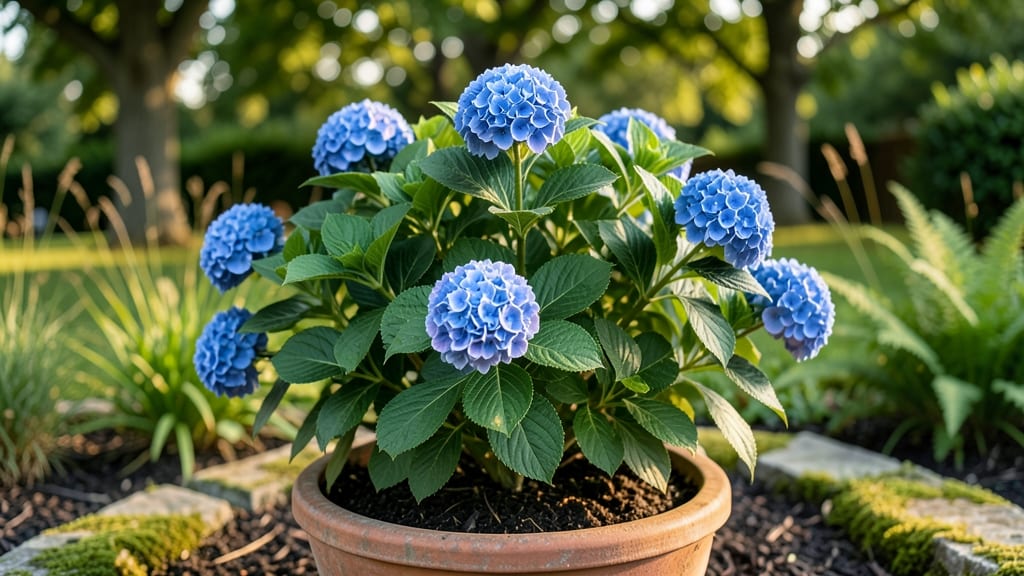
Exploring Meerkerk Gardens in Washington offers a stunning botanical retreat featuring meticulously maintained trails, rare plant collections, and vibrant seasonal displays—perfect for guided tours or self-guided walks using maps from the entrance. Time your visit with peak bloom periods for the most breathtaking scenery, and look out for seasonal events like harvest festivals and gardening demonstrations.
Meerkerk Gardens stands out as Washington's hidden gem, where each season transforms the landscape into a living work of art. 🌿 The gardens blend Dutch heritage with Pacific Northwest flora, creating a unique experience that's both educational and visually stunning.
Whether you're drawn to the fragrant cutting garden or the serene woodland paths, the layout encourages slow exploration—ideal for nature lovers and photographers alike.
What makes this spot truly special is its focus on rare and heirloom plants, many of which you won't find in typical public gardens. The knowledgeable guides often share fascinating stories about each variety's history and growing requirements, adding depth to your visit.
For the best experience, arrive early on weekdays to enjoy quieter trails and more personal attention from staff.
💡 In This Article
- Exploring Meerkerk Gardens’ Unique Plant Collections and Historical Layout
- Best Times to Visit Meerkerk Gardens by Season
Exploring Meerkerk gardens’ unique plant collections and historical layout
Meerkerk Gardens' botanical diversity thrives on a carefully curated mix of Pacific Northwest native species and rare heirloom varieties from around the world. The cutting garden alone features over 150 different herb and flower varieties, including 19th-century Dutch heirloom roses that bloom in waves from May through October.
These roses, like the 'Old Blush' and 'Souvenir de la Malmaison,' were historically used for both ornamental and medicinal purposes, adding a layer of historical context to each fragrant bloom.
The gardens' woodland trails showcase another fascinating contrast, where ferns like Ostrich fern (Matteuccia struthiopteris) and Sword fern (Polystichum munitum) create lush green carpets under towering Douglas fir and Western red cedar trees.
Unlike many public gardens, Meerkerk maintains these native understory plants at precise moisture levels—60-70% humidity in summer—to mimic their natural Pacific Northwest habitat. This attention to detail creates microclimates where rare species like the Western trillium (Trillium ovatum) thrive, often overlooked in other botanical collections.
The gardens' Dutch-inspired layout dates back to their original design in 1892 by Dutch immigrants who sought to recreate familiar European landscapes.
The formal knot gardens with their geometric patterns and topiary displays contrast sharply with the wild beauty of the woodland trails, creating a deliberate balance between structure and nature.
Restoration efforts in the 1990s uncovered original brick pathways and stone borders, which now guide visitors through the gardens while maintaining their historical integrity. This duality—between meticulous design and natural growth—makes each visit feel like stepping through time.
One standout feature is the vegetable demonstration garden, where heirloom tomatoes, zucchini, and eggplants grow alongside historical Dutch varieties like 'Rode Koper' tomatoes and 'Gele Tros' zucchini. These plants aren't just decorative; they're living examples of agricultural history, with some varieties dating back to the 17th century.
The garden staff often shares stories about how these plants were used in traditional Dutch cuisine, connecting food history to the botanical experience in a tangible way.
For those who love hidden details, the hidden greenhouse—originally built in 1905—houses tropical and subtropical plants that wouldn't survive Washington's winters. Inside, you'll find orchids, bromeliads, and citrus trees thriving under controlled conditions of 75-80°F and 80% humidity.
The greenhouse's glass panes, some still bearing the original 1890s craftsmanship marks, let in soft, diffused light that creates a serene atmosphere perfect for quiet reflection. This space is often overlooked by casual visitors, making it a rewarding discovery for those willing to explore beyond the main trails.
What truly sets Meerkerk apart is how the gardens educate through experience. Each plant label includes not just the scientific name but also historical uses, growing conditions, and regional significance.
For example, the Pacific yew (Taxus brevifolia) labels explain its role in both Native American medicine and its modern use in cancer treatment. This approach turns a leisurely stroll into an immersive learning experience, making Meerkerk Gardens a hidden treasure for both plant enthusiasts and history buffs alike. 🌸