
Tools
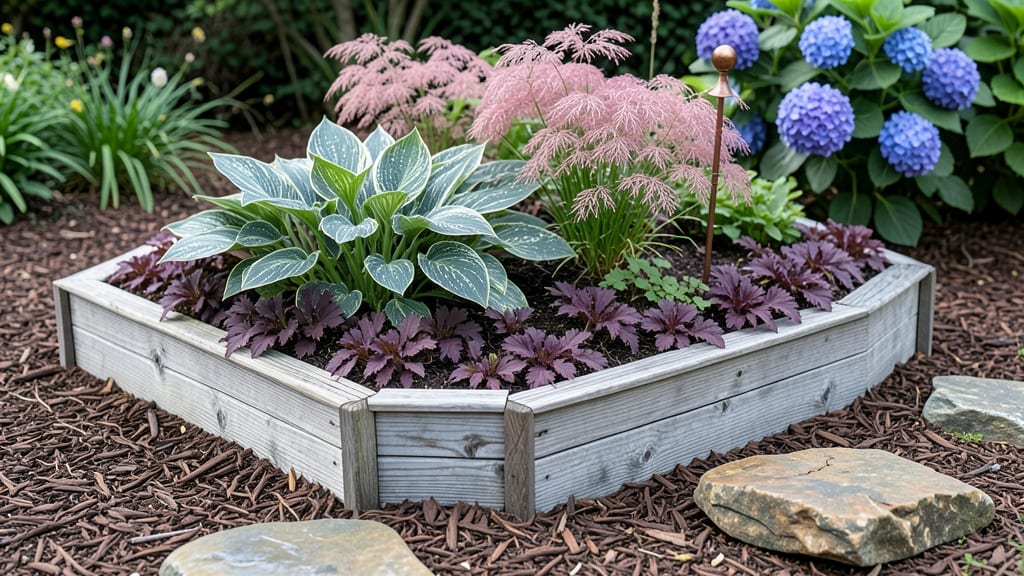
Looking for mound garden bed ideas that solve drainage problems and make gardening easier? These elevated designs are a game-changer for any yard, whether you're dealing with clay soil or just want a more accessible layout.
Picture this: no more soggy roots or backbreaking stoops. Mound beds lift your plants off the ground, improving airflow and reducing soil compaction—perfect for USDA Zone 6a gardens where spring planting starts as early as March. They’re also ideal for herbs, vegetables, and perennials that thrive with better drainage.
From tiered designs to themed layouts, there’s a mound bed style for every space. Whether you’re working with a sloped yard or limited mobility, these raised beds turn gardening challenges into opportunities for lush, low-maintenance growth.
Below, I’ll share 10 creative designs, step-by-step building tips, and the best 🌱 mound garden bed plants to keep your elevated beds thriving all season long.
10 Creative mound garden bed designs for better drainage & accessibility
Mound garden beds solve common gardening challenges like poor drainage or physical accessibility by elevating plants above ground level. These designs improve air circulation, reduce soil compaction, and prevent waterlogging—ideal for clay-heavy soils or sloped yards.
Whether you're managing mobility issues or simply want a low-maintenance layout, mound beds offer flexibility and beauty.
For slope stabilization, consider terraced mounds that follow the natural grade of your land. This approach prevents erosion while creating tiered planting zones perfect for water-loving plants at the base and drought-tolerant varieties higher up.
The key is to use native soil mixed with compost to ensure proper drainage while retaining moisture.
For heavy clay soil, a layered mound with a gravel base and organic matter works wonders. Start with 6-8 inches of gravel, then add a mix of topsoil and compost in equal parts.
This creates a well-draining environment while improving soil structure over time. Pair this with mulch on top to retain moisture and suppress weeds.
For accessibility challenges, wide, low-profile mounds (12-18 inches tall) make gardening easier for those with limited mobility. Add pathways between rows for wheelchair or walker access. Use native perennials and shrubs that require minimal upkeep, like lavender or rosemary, to reduce maintenance demands.
For small spaces, vertical mound designs maximize growing area. Create a circular or spiral mound with plants arranged in concentric rings. This design works beautifully for herbs and small vegetables while adding visual interest. Use lightweight soil mixes to avoid overburdening the structure.
For water conservation, incorporate a drip irrigation system into your mound design. Place emitters at the base of each plant to deliver water directly to roots, reducing waste. Pair this with drought-resistant plants like sedum or yarrow to minimize watering needs.
For aesthetic appeal, consider themed mound designs. A butterfly garden mound with nectar-rich flowers like coneflowers and bee balm attracts pollinators while adding color. For a mediterranean vibe, use lavender, rosemary, and thyme in a sun-drenched mound. These designs enhance your garden’s beauty while serving a functional purpose.
For urban gardens, containerized mound beds offer flexibility. Use large planters or repurposed materials like wooden crates to create elevated mounds on balconies or patios. Fill with a lightweight potting mix and choose compact varieties like dwarf tomatoes or bush beans for easy maintenance.
For wildlife-friendly gardens, incorporate native plants and a small water feature at the base of the mound. This attracts birds, bees, and beneficial insects while supporting local ecosystems. Use pollinator-friendly perennials like milkweed or goldenrod to create a thriving habitat.
For seasonal interest, design mounds with layered planting. Include spring bulbs like daffodils, summer annuals like marigolds, and fall foliage plants like ornamental grasses. This ensures your mound garden stays vibrant year-round with minimal effort.