
Fertilization
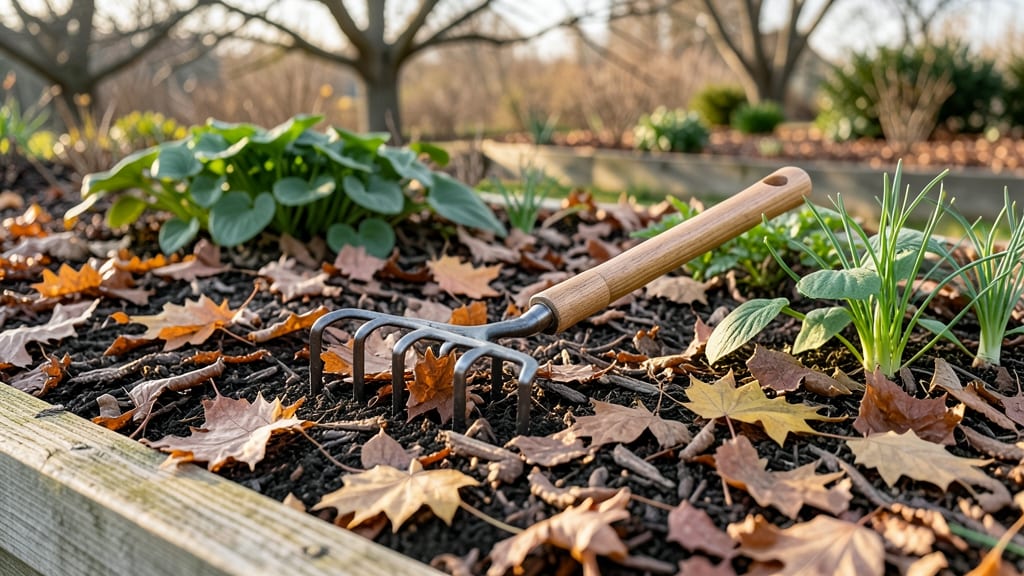
Using mulched leaves in garden boosts soil health by locking in moisture, blocking weeds, and slowly adding organic matter—but too much can suffocate roots, breed pests, or create compacted, oxygen-poor soil.
Leaf mulch works like a natural blanket for your soil, breaking down slowly to feed microbes while shielding roots from temperature swings. 🌿 The key is balance: shredded leaves decompose faster than whole ones, and a 2-3 inch layer is ideal—thicker piles can trap moisture and invite fungal growth.
I’ve seen gardens thrive with this method, but only when leaves are properly aged or composted first to avoid nitrogen theft from the soil.
Timing matters too—apply mulch in early spring or after planting to give roots a stable environment. For perennials and shrubs, a light layer in fall helps insulate through winter.
The magic happens underground: as leaves decompose, they create air pockets that improve drainage while their carbon-rich structure feeds beneficial bacteria and fungi.
Watch for signs of overdoing it: yellowing leaves, mold, or a sour smell mean your mulch is too thick. Shredded leaves break down faster than clumps, and mixing them with nitrogen-rich materials like grass clippings speeds up decomposition.
This isn’t just about aesthetics—it’s about creating a living ecosystem where your plants can thrive.
💡 In This Article
- How Leaf Mulch Benefits Soil Structure and Plant Growth
- When and How to Use Leaf Mulch Safely in Gardens
How leaf mulch benefits soil structure and plant growth
Leaf mulch transforms your garden soil through a fascinating biological process. When leaves decompose, they release complex organic compounds that feed soil microbes—particularly fungi and bacteria—which break down the material into simpler nutrients plants can absorb.
The carbon-to-nitrogen ratio in leaves (typically 40:1 to 80:1) creates an ideal environment for decomposers, but this process requires balance. Too much carbon without nitrogen can temporarily "starve" soil microbes, slowing decomposition and creating a thatch layer that blocks water and air.
This organic matter also acts as a physical sponge, absorbing 30-50% more water than bare soil during rainfall. The porous structure between leaf particles creates micro-channels that improve drainage while retaining moisture—critical during dry spells.
Studies show mulched areas can maintain 20-30% higher soil moisture for weeks after rain compared to unmulched plots. The mulch also insulates roots, keeping soil temperatures 5-10°F cooler in summer and 5-15°F warmer in winter than exposed ground.
The real magic happens at the microbial level. As leaves decompose, they create a network of fungal hyphae that connect plant roots—a phenomenon called the "wood wide web." This mycorrhizal network helps plants exchange nutrients and water, particularly during drought.
For example, a 3-inch layer of shredded leaves can increase beneficial fungal populations by 30-40% within 6 months, while also reducing soil erosion by 70% or more compared to bare soil.
However, not all leaves decompose equally. Shredded leaves break down 3-5 times faster than whole leaves because their increased surface area exposes more cellulose to microbial enzymes. Oak leaves, with their high tannin content, decompose slower than maple or birch leaves, which contain more easily digestible sugars.
The texture matters too—fine mulch creates a softer, more uniform layer that blends into soil, while coarse mulch may form a barrier that repels water.
Consider this visual: A properly mulched garden bed looks like a dark, crumbly loam after a season, while over-mulched areas develop a dense, mat-like layer that smothers roots.
The ideal scenario creates a living soil ecosystem where decomposition, nutrient cycling, and plant growth work in harmony—like a slow-cooked stew where every ingredient contributes to the final flavor. 🌱
For best results, mix leaf mulch with compost or nitrogen-rich materials (like grass clippings) at a ratio of 4:1 carbon to 1:1 nitrogen. This balance speeds decomposition while preventing nutrient theft from your plants.
The goal is to mimic nature's leaf litter layer, where fallen leaves gradually enrich the forest floor over seasons.