
Planting
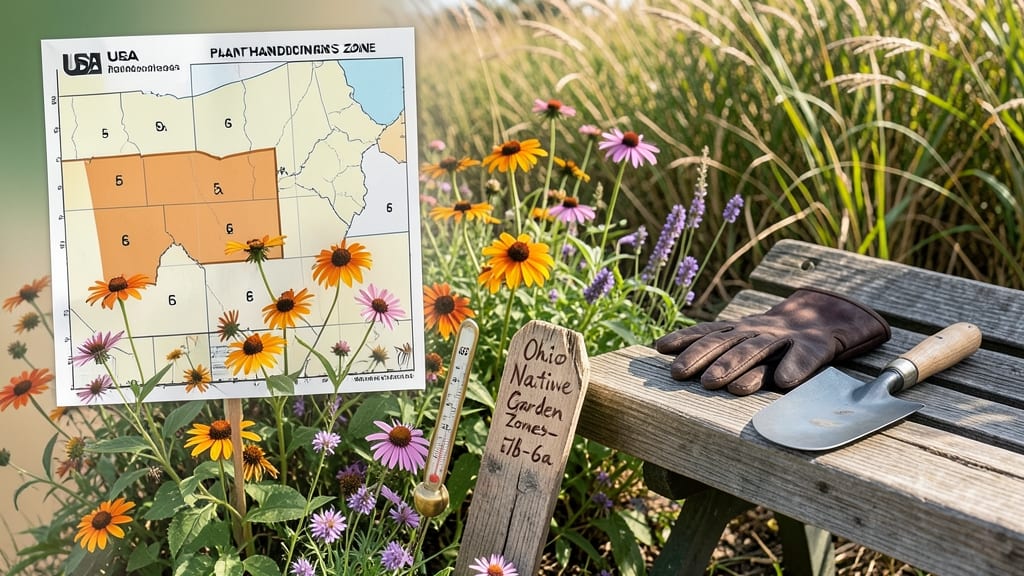
Ohio's gardening zones span USDA zones 5 through 7, with frost-free dates shifting from mid-March in southern regions to mid-April in northern areas. Northern Ohio gardeners should follow Zone 5 guidelines, while southern Ohio aligns with Zones 6-7 for optimal planting timing.
Ohio's diverse geography creates these varying zones—northern areas like Cleveland face colder winters, while southern regions near Cincinnati enjoy milder conditions. 🌱 These differences mean your planting schedule should account for both average frost dates and your specific microclimate.
For example, tomatoes thrive in Zone 6's warmer southern areas but may need row covers in Zone 5's cooler northern regions. Local agricultural extension offices provide county-specific frost data that can adjust these general guidelines by up to two weeks in either direction.
Understanding these variations helps you avoid common mistakes like planting warm-season crops too early or cool-season crops too late. The key is matching your planting dates to your exact zone and microclimate rather than relying solely on statewide averages.
💡 In This Article
- How Ohio’s Microclimates Affect Planting Zones
- Ohio’s Last Frost Date Calculator for Precise Planting
How Ohio’s microclimates affect planting zones
Ohio’s gardening zones span USDA zones 5 through 7 because of its dramatic geographic contrasts. The state’s northern tier—think Cleveland and Youngstown—falls into Zone 5, where average winter lows dip to -15°F to -20°F.
Meanwhile, southern Ohio around Cincinnati and Columbus sits in Zones 6-7, with winter lows rarely dropping below 0°F.
This 15°F difference translates to a 2-3 week shift in frost dates, meaning tomatoes can safely go in the ground by May 1 in Zone 7 but need to wait until May 15 in Zone 5.
The real magic happens in Ohio’s microclimates—localized areas where conditions differ dramatically from the surrounding region.
For instance, Toledo’s proximity to Lake Erie creates a "lake effect" that extends the growing season by 10-14 days compared to inland areas just 20 miles away. 🌊 Urban heat islands in Columbus push temperatures 3-5°F warmer than rural areas, allowing gardeners to plant heat-loving crops like peppers a week earlier.
Even elevation matters: Areas like Hocking Hills (elevation 1,000+ feet) experience 5°F cooler nights than the surrounding valleys, requiring adjustments for frost-sensitive plants.
These microclimates explain why your neighbor’s garden thrives while yours struggles—even when you’re just a few miles apart. For example, while Zone 6’s Cincinnati can safely plant basil by April 20, Zone 5’s Akron should wait until May 1. The solution?
Use localized frost data from sources like the Ohio State University Extension’s county-specific frost date maps. These tools account for your exact microclimate, giving you planting windows accurate to within 3-5 days rather than the broad USDA zone averages.
Urban gardeners face another challenge: concrete and asphalt absorb and radiate heat, creating pockets that are 5-10°F warmer than nearby green spaces. This means urban gardens can sometimes push Zone 6 plants a week earlier than rural areas.
Conversely, windy sites near open fields experience 10% faster heat loss at night, requiring protective measures like row covers for tender crops. 🌿 The key is observing your own microclimate’s behavior over 3-5 years to fine-tune planting schedules beyond the standard zone guidelines.
Consider these practical adjustments for Ohio’s most common microclimates:
- Lake Erie shorelines: Plant 10-14 days earlier than inland Zone 5 areas due to moderating lake breezes
- Urban heat islands: Start warm-season crops 5-7 days earlier but monitor for drought stress
- Southern Ohio valleys: Extend fall planting by 2 weeks compared to nearby hills
- Northern Appalachian foothills: Use row covers for Zone 6 plants to protect against late frosts
The science behind this involves heat retention and wind exposure. Water bodies like Lake Erie act as giant heat sinks, releasing stored warmth slowly in spring. Urban areas with dense buildings create "canopy layers" that trap heat, while open fields accelerate cooling through radiational heat loss. Understanding these mechanisms lets you make data-driven planting decisions rather than relying on guesswork.
For gardeners unsure where to start, begin by tracking your local frost dates for 3 consecutive years. Note when your first 32°F frost occurs in fall and when the last one disappears in spring.
Compare these dates to the USDA zone averages for your area—you’ll often find your actual frost window differs by 1-2 weeks. This personalized data becomes your most valuable gardening tool, allowing you to push planting windows safely while avoiding frost damage.