
Tools
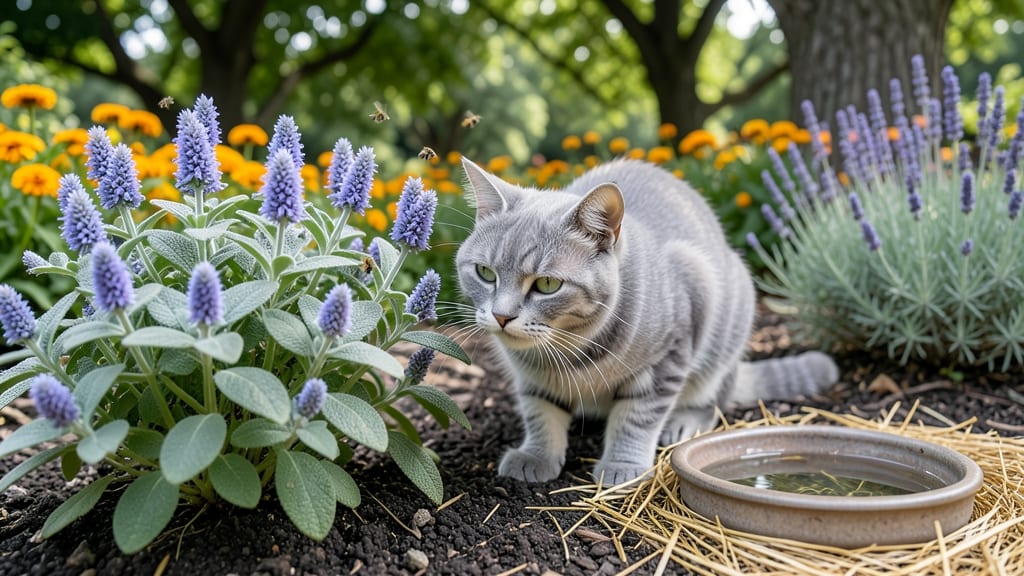
Creating a pet-friendly garden means choosing non-toxic plants like sunflowers and spider plants while avoiding dangerous varieties such as lilies, sago palms, and azaleas that can harm pets.
Your furry friends can safely explore a garden filled with vibrant, pet-safe plants. 🌿 Many toxic plants contain compounds like oxalates or glycosides that cause vomiting, drooling, or even kidney failure in pets—especially cats, who are particularly sensitive.
The good news? There are plenty of colorful, durable alternatives that thrive in gardens while keeping tails wagging. For example, sunflowers not only brighten up your yard but are completely safe for pets to sniff and nibble, while spider plants help purify the air without any risks.
Always double-check plant labels or consult the ASPCA's toxic plant database before adding anything new to your garden.
For pet owners who love herbs, basil and parsley make excellent additions—they're non-toxic and add fresh flavors to your kitchen while keeping your garden safe. 🐾 The key is planning ahead: group toxic plants in inaccessible areas (like high shelves or containers) and create dedicated pet-friendly zones with soft ground covers like clover or moss.
This way, your garden becomes a safe playground instead of a potential hazard zone.
💡 In This Article
- Common Toxic Garden Plants and Their Dangers to Pets
- Best Pet-Safe Garden Plants for Dogs and Cats
Common toxic garden plants and their dangers to pets
Toxic garden plants contain dangerous compounds that can cause serious health issues in pets. Lilies, for example, contain oxalates and glycosides that trigger severe kidney failure in cats—even small amounts can be fatal.
The ASPCA reports that lilies are one of the most lethal plants for felines, with symptoms appearing within hours of ingestion, including drooling, vomiting, and lethargy. 🐱 Dogs are also at risk but typically experience milder reactions like stomach upset.
Sago palms contain cycasin, a toxin that causes liver failure, while azaleas and rhododendrons produce grayanotoxins that disrupt heart rhythms and nervous systems. Foxglove, with its striking bell-shaped flowers, contains digitalis, which can cause irregular heartbeat and even death in both dogs and cats.
Oleander, another popular ornamental, contains cardiac glycosides that affect the heart's electrical system, leading to weakness and collapse.
Cats are particularly vulnerable due to their grooming habits—they ingest toxins when cleaning their fur after exposure. Dogs, while generally more resilient, can still suffer from severe poisoning if they chew on toxic plants.
The key difference lies in their metabolism: cats lack certain liver enzymes to process plant toxins efficiently. Always monitor your pets closely when they're exploring outdoor spaces, as symptoms can appear suddenly and worsen rapidly.
Even non-flowering plants pose risks—like mushroom species such as the deadly Amanita, which contains amatoxins that destroy liver cells. Some common lawn plants, like ivy and pothos, also contain calcium oxalates that cause painful mouth irritation and swelling.
The best defense is prevention: remove toxic plants entirely or place them in secure, elevated containers where curious paws can't reach.
If you suspect your pet has ingested a toxic plant, act immediately. Contact your veterinarian or the ASPCA Animal Poison Control Center (888-426-4435) for guidance. Time is critical—early treatment with activated charcoal can prevent toxin absorption.
Keep a list of plants in your garden handy to share with emergency responders, as accurate identification speeds up treatment.
For visual learners, toxic plants often share distinct features: lilies have long stems with pointed petals, sago palms have spiky fronds, and foxglove grows in clusters of tall, bell-shaped flowers. Familiarizing yourself with these characteristics helps you spot dangers before your pets do. 🚨