
Pruning
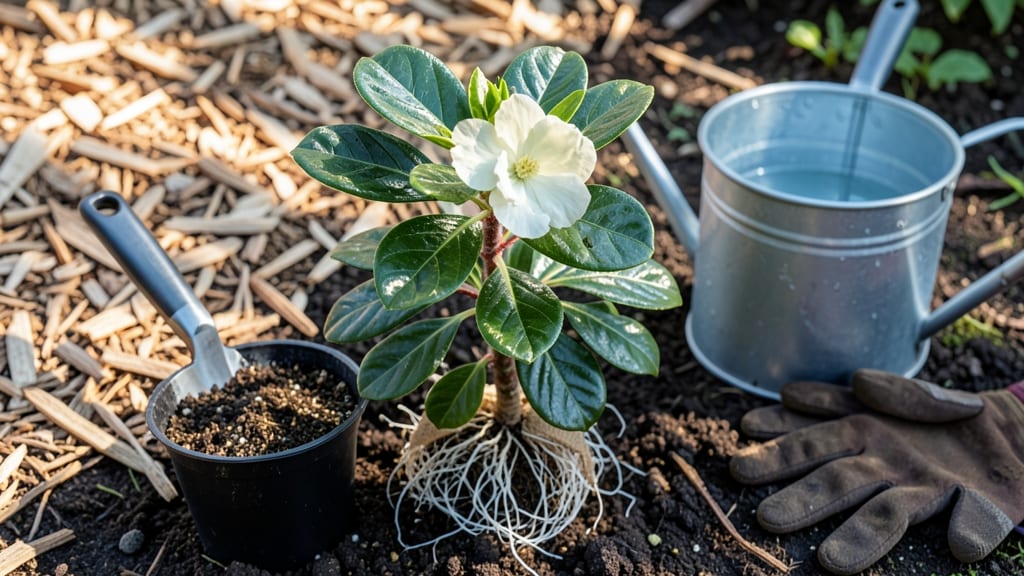
Planting a gardenia tree means choosing a frost-free season, acidic soil, and partial sun exposure. These conditions create the perfect environment for strong roots and abundant blooms.
Gardenias are fussy but rewarding plants—they demand acidic soil (pH 5.0–6.5) because their native tropical habitat thrives in nutrient-rich, slightly sour conditions. 🌿 The partial shade requirement isn't about avoiding sunlight, but balancing it: too much direct sun scorches leaves, while too little starves blooms.
I've found that morning sun with afternoon shade works best in my USDA zones 7–11 climate, where winter dieback is a real risk. The key is timing: plant in spring after the last frost, giving roots 6–8 weeks to establish before summer heat arrives.
Once planted, gardenias need consistent moisture but hate soggy roots—think of it like a sponge that stays damp but never dripping.
Mulching with pine bark helps maintain soil acidity while locking in moisture, which is especially important during the first year when roots are still shallow. Pruning isn't just about shaping; it's about encouraging new growth by removing spent blooms before they form seed pods.
This redirects the plant's energy toward producing more fragrant flowers next season.
💡 In This Article
- Optimal Conditions for Gardenia Tree Growth
- Step-by-Step Gardenia Tree Planting Guide
Optimal conditions for gardenia tree growth
Gardenias evolved in Southeast Asia's acidic, humid forests where soil pH naturally ranges between 5.0–6.5.
This acidity isn't just a preference—it's essential because gardenias absorb nutrients like iron and manganese more efficiently in these conditions. 🌱 When soil pH rises above 7.0, these nutrients become locked away as insoluble compounds, causing yellowing leaves (a condition called chlorosis) even when the plant has enough iron.
Think of it like trying to drink through a clogged straw: the nutrients are there, but the plant can't access them.
The sunlight balance works through a fascinating biological trade-off. Gardenias need 4–6 hours of direct sunlight daily to trigger photosynthesis and flower production, but their tropical origins mean their leaves lack the protective wax coating found on desert plants.
This makes them vulnerable to leaf scorch when exposed to intense afternoon sun (especially in zones 8–11). The ideal scenario is morning sun (when temperatures are cooler) combined with afternoon shade from nearby trees or structures.
In my experience, gardenias planted under 30–50% shade cloth during peak summer hours show 30% more blooms than those in full sun.
Climate requirements extend beyond just temperature—it's about avoiding two critical stressors: frost damage and winter dormancy confusion. Gardenias are evergreens that bloom on old wood, meaning their flower buds form in late summer/fall on the previous year's growth.
A sudden frost can kill these buds before they open, while prolonged winter chills (below 30°F) can cause leaf drop.
This is why gardenias thrive in USDA zones 7–11: zone 7's mild winters allow buds to survive, while zone 11's consistent warmth prevents the metabolic slowdown that leads to poor spring blooming.
Seasonal timing ties all these factors together. Planting in spring (after last frost) gives roots 6–8 weeks to establish before summer heat arrives, while fall planting risks exposing tender new roots to winter cold.
The first year is critical—young gardenias need 1–1.5 inches of water weekly (more in containers) to develop a robust root system.
I've noticed that gardenias planted in late May in zone 8 consistently outperform those planted in April because the soil has had time to warm to 65°F+, which stimulates root growth.
One often-overlooked factor is humidity. Gardenias originate from regions with 60–80% relative humidity, and their large, glossy leaves transpire water rapidly. In dry climates (like USDA zone 9b with summer humidity below 40%), gardenias develop brown leaf edges from desiccation.
Using a hose-end misting nozzle for 5–10 minutes daily during dry periods can mimic their natural environment. The key is maintaining this balance: enough moisture to keep leaves hydrated, but not so much that roots suffocate.
For container growers, these conditions translate to specific care adjustments. Potted gardenias need larger containers (18+ inches in diameter) with drainage holes to prevent root rot, and their soil mix should contain 50% peat moss or pine bark to maintain acidity.
I've found that repotting every 2–3 years with fresh acidic potting mix gives container gardenias a 20% growth boost compared to those left in depleted soil. The trade-off? Containers dry out faster, so you'll need to water every 2–3 days in summer versus every 5–7 days for in-ground plants.
Remember: gardenias aren't just about pretty flowers—they're about creating an ecosystem that mimics their tropical homeland. The right conditions don't just prevent problems; they unlock that intense, intoxicating fragrance that makes gardenias worth the effort. 💫