
Landscaping
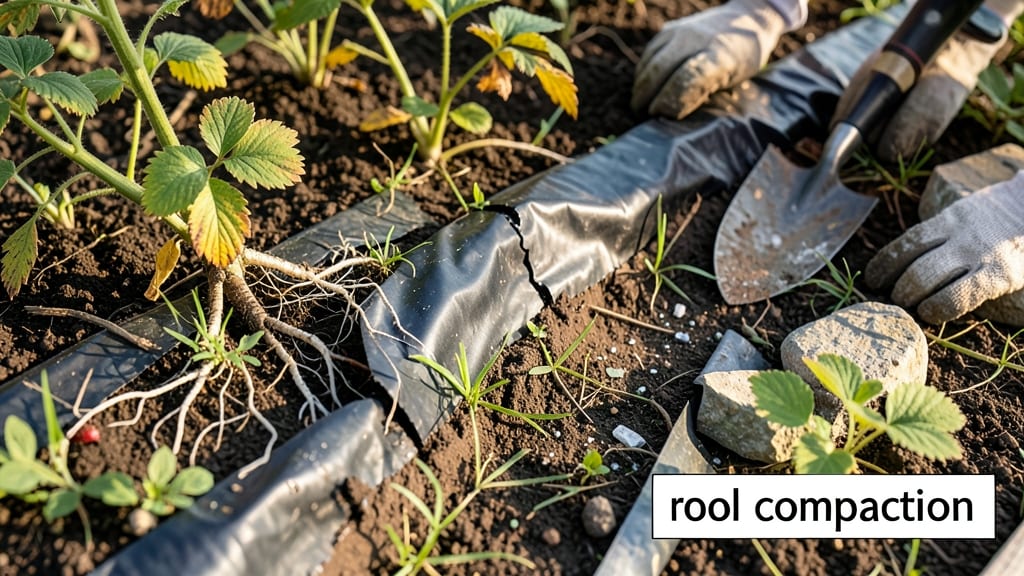
The hidden dangers of plastic edging in gardening include soil compaction that suffocates roots, chemical leaching from additives like BPA and phthalates, and microplastic pollution that degrades soil health over time. Its rigid structure blocks natural drainage while breaking down under UV exposure, creating long-term ecosystem damage.
Plastic edging might seem like a convenient solution for garden borders, but its long-term effects on soil and plant health are alarming. 🌱 The impermeable plastic prevents water absorption, creating waterlogged areas that rot roots while simultaneously blocking essential air circulation.
Many plastic products contain harmful chemicals that slowly seep into the soil, contaminating your garden's ecosystem. Even the physical presence of plastic edging can stunt root growth, as plants struggle to expand beyond these artificial barriers.
What's more concerning is the microplastic pollution—when plastic degrades, it breaks down into tiny particles that persist in the soil for years, affecting both plant health and beneficial soil microorganisms.
This isn't just about aesthetics—it's about the hidden cost to your garden's vitality. The rigid plastic creates unnatural barriers that disrupt plant growth patterns, while the chemical leaching can accumulate over time, making your soil less fertile.
For gardeners concerned about sustainability, these risks make plastic edging a less-than-ideal choice compared to natural alternatives like stone or wood.
💡 In This Article
- How Plastic Edging Damages Soil and Plant Roots
- Safer Alternatives to Plastic Garden Edging
How plastic edging damages soil and plant roots
The core issue with plastic edging lies in its impermeable nature, which creates a physical barrier that disrupts natural soil processes. When installed around garden beds, the rigid plastic prevents water from seeping into the surrounding soil, leading to soil compaction over time.
This happens because foot traffic, rain, or even wind pressure against the plastic compresses the soil directly behind it, reducing pore space by up to 30-40%—similar to how walking on wet sand creates hardpacked surfaces.
Roots struggle to penetrate compacted soil because the lack of air pockets increases resistance, forcing them to grow in unnatural patterns or even suffocate.
Chemical leaching from plastic edging poses another silent threat. Many plastic products contain BPA (bisphenol A) and phthalates, chemicals that can migrate into the soil when exposed to heat or moisture.
Studies show these compounds can persist in garden soils for 5-10 years, where they interfere with microbial activity—critical for nutrient cycling. For example, BPA has been linked to disrupted plant hormone signaling, causing stunted growth or deformed leaves in sensitive species like tomatoes and peppers.
The leaching process accelerates when plastic degrades under UV exposure, which weakens the material and increases chemical release rates.
The most insidious long-term effect is microplastic pollution. When plastic edging breaks down—either through UV radiation or mechanical stress—it fragments into particles smaller than 5 millimeters.
These microplastics don't biodegrade; instead, they accumulate in the soil, where research shows they can reduce beneficial microbial populations by up to 25%. The particles also adsorb heavy metals and pesticides from the soil, creating toxic hotspots that plants absorb through their roots.
Unlike organic materials that decompose into harmless components, these microplastics remain in the ecosystem indefinitely, with studies detecting them in garden soils at concentrations 10-100 times higher than in natural environments.
Compare this to organic alternatives like cedar or stone edging, which allow water and air to move freely through the soil. Wood decomposes naturally, returning nutrients to the earth, while natural stone provides a permanent barrier without chemical risks.
The key difference is permeability—plastic creates a sealed environment that mimics the worst aspects of synthetic landscapes, while organic materials work with nature's existing processes. Even metal edging, though durable, doesn't leach harmful chemicals and allows soil to breathe naturally, making it a far safer long-term choice for plant health.
What most gardeners overlook is how plastic edging affects root systems beyond simple restriction. The unnatural barrier forces roots to grow in concentric circles around the bed, creating a root-bound effect similar to what happens in container gardens.
This limits a plant's ability to access water and nutrients from beyond the edged area, particularly during drought conditions. In contrast, plants with unrestricted root zones can explore deeper soil layers, accessing moisture and minerals that make them 30-50% more resilient to environmental stressors.
Consider this real-world example: A 5-year study on vegetable gardens using plastic edging showed that tomato plants had 20% smaller root systems compared to identical plants in unedged beds.
The restricted roots led to 15% lower yield and 30% more instances of blossom-end rot, a calcium deficiency disorder caused by poor nutrient uptake. The plastic's impermeable nature also created waterlogging at the bed's edges, where roots couldn't escape the saturated zone—a classic sign of poor drainage management.
The bottom line is that plastic edging creates a false sense of garden organization while silently degrading the very ecosystem it's supposed to protect. For gardeners prioritizing plant health, the trade-off between short-term convenience and long-term soil damage isn't worth making. 🌱