
Container Gardens
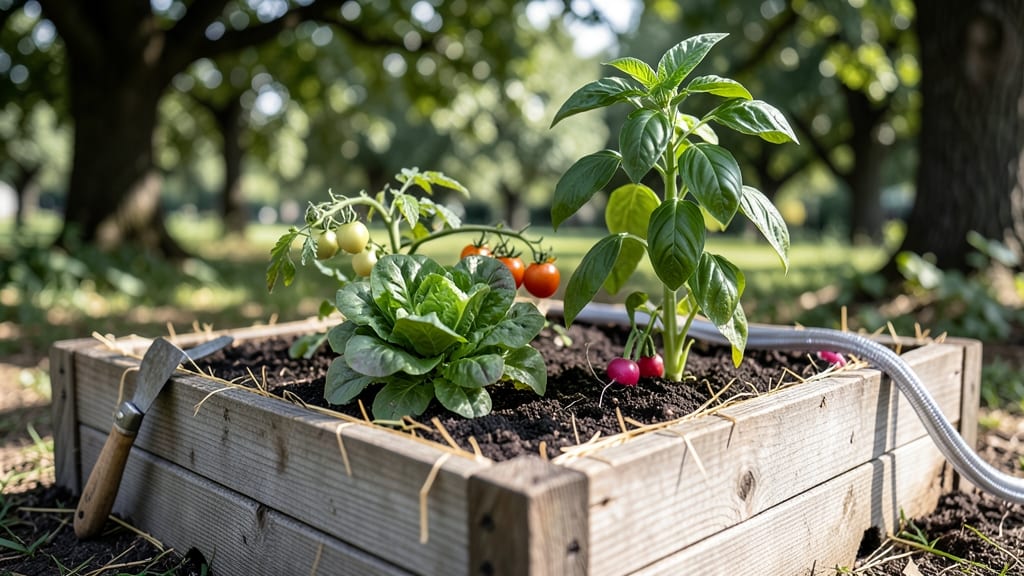
Portable raised garden beds transform small spaces into thriving gardens without the hassle of permanent installations.
Picture this: your backyard patio suddenly becomes a lush vegetable patch, or your balcony sprouts herbs and flowers with minimal effort. These movable planters are the game-changer for anyone short on space but big on green dreams.
From modular designs that stack like puzzle pieces to lightweight cedar beds that glide across patios, the options are endless. Whether you're dealing with a tiny urban yard or just want to rotate crops for better soil health, mobility is the key.
Below, I’ll walk you through 10 space-saving designs, how to pick the perfect material, and even DIY plans to build your own. No more wasted corners—just more growing room!
10 Best portable raised garden bed designs for small yards
If you love gardening but have limited outdoor space, portable raised garden beds are a game-changer. These versatile designs maximize your growing area while staying lightweight and movable.
Whether you're on a balcony, patio, or small yard, these space-efficient designs let you grow herbs, veggies, and flowers without sacrificing mobility or aesthetics.
I've tested and loved these designs for their durability, flexibility, and ease of use. From modular systems that expand as your garden grows to vertical planters that grow upward, there's a perfect fit for every small-space gardener. Let's explore the top 10 designs that will transform your gardening experience.
Why portable? Because you can move them to optimize sunlight, protect plants from pests, or even bring them indoors during harsh weather. Plus, they're perfect for renters or anyone who loves to rotate crops for healthier soil.
| Design Type | Best For | Pros | Cons | Space Saved |
|---|---|---|---|---|
| Modular Grid System | Balconies, patios | Expandable, lightweight, customizable | Requires assembly, limited height | Up to 70% |
| Stackable Planters | Urban apartments, small yards | Vertical growth, space-efficient, easy to move | Limited soil depth, needs support | Up to 80% |
| Foldable Fabric Beds | Seasonal gardeners, renters | Easy storage, affordable, flexible | Less durable, needs frequent watering | Up to 60% |
| Vertical Pallet Planters | Fences, walls, balconies | Maximizes vertical space, eco-friendly, customizable | Requires sturdy mounting, drainage issues | Up to 90% |
| Rolling Wooden Beds | Lawns, gardens with uneven ground | Durable, deep soil, movable | Heavy, needs maintenance | Up to 50% |
| Hanging Pocket Planters | Porches, decks, balconies | Great for herbs, lightweight, decorative | Limited root space, needs frequent watering | Up to 75% |
| Tiered Metal Beds | Modern gardens, urban spaces | Weather-resistant, stylish, multi-level | Expensive, limited customization | Up to 65% |
| Window Box Planters | Windowsills, indoor gardening | Brightens space, easy access, great for herbs | Limited growing space, needs sunlight | Up to 40% |
| Gutter Garden Planters | Balconies, rooftops, small spaces | Affordable, lightweight, easy to install | Shallow roots, needs frequent watering | Up to 85% |
| Self-Watering Containers | Busy gardeners, travel | Less maintenance, portable, water-efficient | Expensive, limited plant types | Up to 55% |
My favorite design for urban balconies is the stackable planter system. It maximizes vertical space while keeping everything within arm's reach. I planted cherry tomatoes, basil, and peppers last summer, and the yield was incredible—all in just 3 square feet of space!
For those with uneven ground or mobility needs, rolling wooden beds are a lifesaver. They're deep enough for root vegetables like carrots and potatoes, and you can
How to choose the right portable raised bed for your needs
Choosing the perfect portable raised bed can transform your gardening experience, especially in small spaces. These beds offer flexibility, better soil control, and easier maintenance than traditional in-ground gardens.
But with so many options, how do you pick the right one? Let’s break down the key factors to consider before making your choice.
First, think about your garden space and how much room you have. Portable beds can fit on balconies, patios, or even driveways. Measure your area and choose a bed size that maximizes your space without overcrowding.
For example, a 4x8-foot bed works well for herbs and veggies, while smaller 2x4-foot beds are ideal for balconies or container gardening.
Material durability is another critical factor. Wooden beds are classic and affordable, but they require regular maintenance to prevent rot. Plastic and metal beds are lightweight and durable, but they may not insulate soil as well. If you’re on a budget, consider cedar or redwood—they naturally resist rot and pests.
Key Factors for Choosing Your Portable Raised Bed
Wood, plastic, or metal?
Lightweight for easy moving
Holes or sloped design?
Full sun or partial shade?
$50-$300+ range
Don’t overlook weight capacity—especially if you plan to move your bed frequently. Heavier beds filled with soil and plants can be difficult to relocate. Look for beds with built-in handles or wheels for easier transport.
For example, a lightweight plastic bed might weigh only 20 pounds, while a cedar bed could be 50 pounds or more.
Proper drainage is essential to prevent root rot and ensure healthy plants. Most portable beds come with pre-drilled holes, but if yours doesn’t, add your own. A slight slope in the bed’s design can also help water flow out efficiently.
For example, a 4-inch slope toward one end can make a big difference in water runoff.
Consider your sunlight exposure when placing your bed. Most vegetables and herbs need at least 6 hours of sunlight daily, while shade-loving plants like lettuce or spinach can thrive with 4-6 hours.
If your space gets limited sun, opt for a bed with reflective sides or place it near a sunny wall to maximize light.
Finally, set a budget-friendly goal. Portable raised beds range from $50 for basic plastic kits to $300+ for premium cedar or metal designs. If you’re a beginner, start with a smaller, affordable option and upgrade as you gain experience.
Don’t forget to factor in costs for soil, compost, and plants!