
Tools
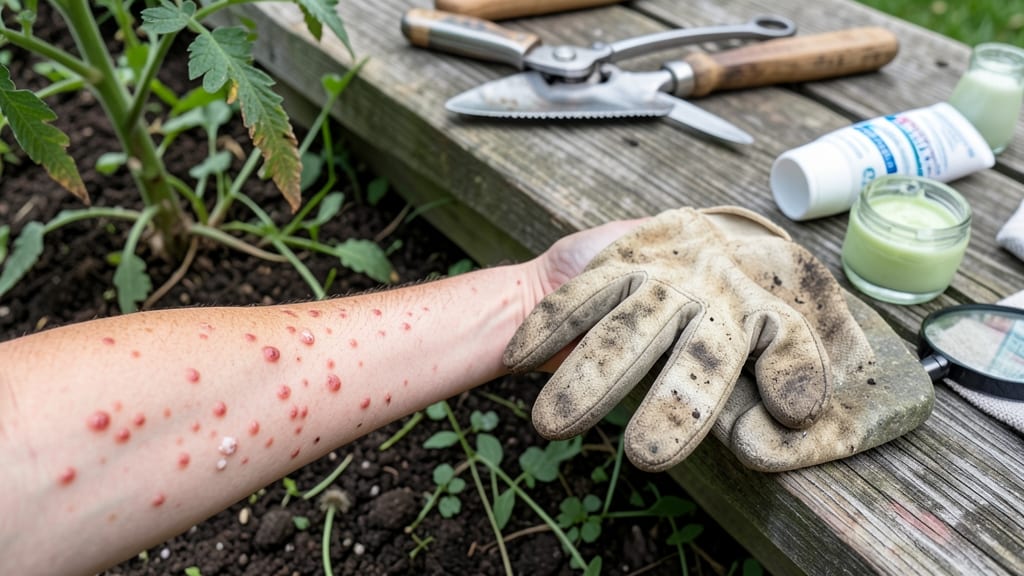
Dealing with a rash after gardening usually means plant oils, bug bites, or chemical reactions are to blame. Cool compresses, hydrocortisone cream, or antihistamines help soothe the skin while pinpointing the exact cause stops future flare-ups.
Gardening rashes often pop up from exposure to poison ivy, oak, or sumac—their oils trigger allergic reactions in most people. Insects like mosquitoes or chiggers can also cause itchy bumps, while fertilizers and pesticides may irritate sensitive skin. 🌿 The good news?
Washing your skin right after gardening cuts down on irritation, and wearing long sleeves or gloves can prevent most reactions entirely.
For immediate relief, I always keep aloe vera gel and calamine lotion on hand—they both calm redness fast. If the rash spreads or swells, over-the-counter antihistamines like Benadryl work wonders. Long-term, swapping out high-risk plants for hypoallergenic varieties (like lavender or marigolds) makes a big difference.
💡 In This Article
- Common Gardening Triggers for Skin Rashes
- Fast Relief and Prevention for Gardening Rashes
Common gardening triggers for skin rashes
Poison ivy, oak, and sumac contain urushiol oil, a clear liquid that causes allergic contact dermatitis in 85% of people. This oil penetrates skin within minutes, triggering an immune response that creates blisters and intense itching within 12-48 hours.
The reaction isn't from the plant itself but your body's overreaction to urushiol—similar to how some people react to latex gloves. Even touching contaminated tools or pets can spread the oil invisibly.
Insect bites from mosquitoes, chiggers, or fleas cause rashes through different mechanisms. Mosquito saliva contains proteins that trigger histamine release, creating red, itchy welts. Chiggers, however, embed their mouthparts into skin to feed on lymph fluid, leaving tiny red bumps that cluster in warm areas like ankles or waistbands.
Chemical irritants like fertilizers (ammonia-based) or pesticides (glyphosate) work by disrupting the skin's natural barrier, leading to dryness, redness, and even chemical burns in sensitive individuals.
What most people don't realize is that some gardening tasks increase exposure risk dramatically. Pruning poison ivy without gloves exposes your hands to 5 micrograms of urushiol—enough to cause a severe reaction. Even dead plants contain active oil for years!
Similarly, working in damp conditions makes your skin more permeable, allowing irritants to penetrate faster. The texture of soil also matters: Sandy soil traps fewer allergens than clay, which sticks to skin and tools.
Here's what's actually happening under your skin: When urushiol enters, your immune system produces T-cells that attack the affected area, creating inflammation. This process releases histamines, which is why antihistamines provide relief.
For chemical burns, the skin's stratum corneum layer (outer protective barrier) gets damaged, allowing moisture loss and secondary infections if scratched. The itchiness comes from nerve endings being irritated by the body's own immune response.
Consider these key factors when identifying triggers:
- Plant location: Poison ivy thrives in shaded, moist areas—check leaf patterns ("leaves of three, let it be")
- Insect activity: Mosquitoes peak at dawn/dusk; chiggers love tall grass and leaf litter
- Chemical timing: Freshly applied pesticides are most dangerous for 48 hours after application
Interestingly, some gardeners develop cross-reactivity—if you're allergic to poison ivy, you might also react to mango peels or cashews, which contain similar compounds. The good news? Your skin becomes less reactive over time with repeated exposure (though this isn't recommended!). 🌿