
Tools
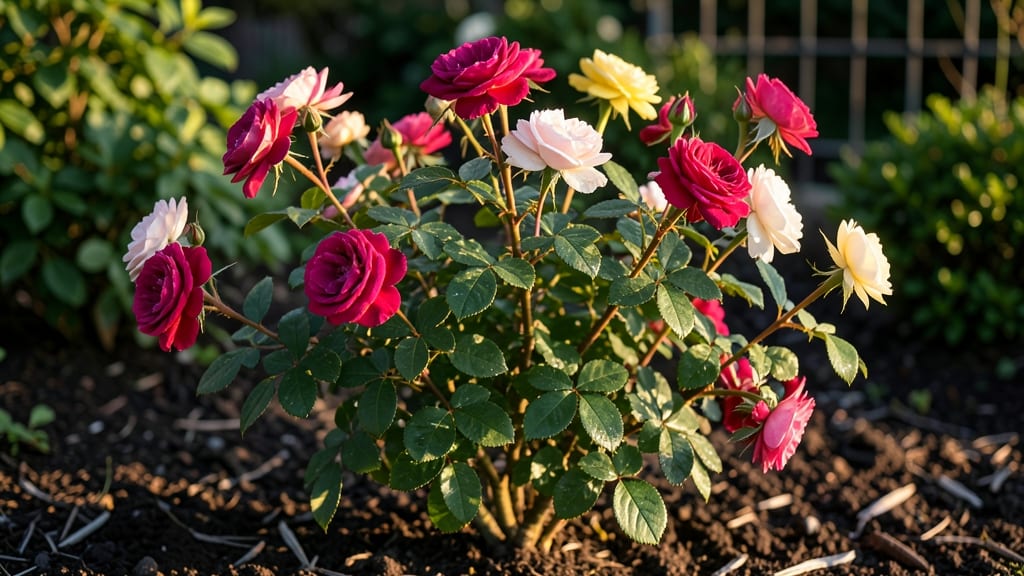
Visiting the rose garden at Stanley Park lets you explore over 500 rose varieties that bloom seasonally, with June and September offering the most vibrant displays. Quiet trails meander through fragrant landscapes, featuring shaded seating and coastal views, while early mornings or late afternoons provide the best lighting and fewer crowds.
This iconic Vancouver landmark stands out for its carefully curated collection of roses, including rare heirloom varieties and modern hybrids. 🌹 The garden’s location near the ocean creates a unique microclimate that extends the blooming season—some roses even flower lightly in mild winters.
I always recommend bringing a light jacket for coastal breezes, even on sunny days, and checking the garden’s seasonal map, which highlights which varieties are in peak bloom each month.
Beyond the main paths, the garden hides lesser-known trails that lead to secluded benches perfect for sketching or quiet reflection. The accessibility features—like paved paths and sensory gardens—make it a great spot for all visitors, while the nearby coastal views add a stunning backdrop to any visit.
Pro tip: The garden’s maintenance crew prunes aggressively after September, so late summer is ideal for capturing the full glory of the blooms before winter prep begins.
💡 In This Article
- Seasonal Bloom Cycles in Stanley Park’s Rose Garden
- Hidden Trails and Pro Tips for Exploring the Rose Garden
Seasonal bloom cycles in Stanley Park’s rose garden
The rose garden’s 500+ varieties bloom in waves thanks to careful selection of species adapted to Vancouver’s USDA Zone 8a climate.
Most roses thrive in this region’s mild winters (rarely below -10°C) and rainy summers, which keeps soil consistently moist—a key factor for hybrid teas and floribundas that dominate the June peak.
The garden’s coastal microclimate also delays frost, allowing some varieties like 'Iceberg' roses to bloom into October when inland gardens would already be dormant.
June’s peak features color-blocked sections—deep reds from 'Double Delight', soft pinks from 'Peace', and creamy whites from 'White Peace'—all reaching their maximum fragrance between 10 AM and 2 PM when temperatures hit 20-25°C.
September’s second wave showcases fall-blooming varieties like 'The Fairy' and 'Bonica', which develop richer petal layers after summer heat stress. The garden’s pruning schedule (late November) ensures these late bloomers get proper air circulation, preventing fungal diseases that could shorten their season.
What surprises many visitors is the winter interest—some roses like 'Cornelia' and 'Knock Out' roses produce hip fruits that persist through frost, offering texture and color when most gardens are bare.
The garden’s heated greenhouses (used for propagating cuttings) also mean you’ll occasionally spot tropical hybrids like 'Tropicana' blooming in protected microclimates even in December. This year-round interest is why the garden averages 120,000 annual visitors, despite Vancouver’s notoriously unpredictable weather.
Light plays a critical role in bloom timing: roses need 6-8 hours of sunlight daily, but the garden’s morning sun exposure (from east-facing sections) actually extends the blooming window by 2-3 weeks compared to west-facing gardens.
The coastal fog that rolls in afternoons creates a natural misting system, reducing watering needs by 30% while keeping petals hydrated. This is why the garden’s David Austin English roses (known for their complex fragrances) perform exceptionally well here—their petal layers stay lush longer than in drier climates.
For photographers, the golden hour before sunset in September casts long shadows that make rose petals appear almost three-dimensional. The garden’s low-maintenance ground covers (like 'Moss Rose') also create stunning foreground textures.
Pro tip: Use a polarizing filter to reduce glare from the Pacific Ocean reflections visible through the garden’s southern sections. The accessibility paths near the First Beach area offer the best vantage points for capturing both roses and coastline in one frame.
Beyond aesthetics, the bloom cycles reflect decades of horticultural adaptation. The garden’s original 1912 planting included old garden roses like 'Souvenir de la Malmaison', which bloom just once per year but produce 100+ petals per flower—a throwback to pre-19th century varieties.
Modern additions like climbing roses ('New Dawn') now cover 150-foot trellises, creating vertical interest that changes with each season. This blend of old and new is what makes the garden’s 12-month interest so unique.
Plan your visit around the full moon in June or September—when the garden hosts night photography workshops. The illuminated roses against the dark sky create a magical effect, and the cooler evening temperatures (dropping to 15°C) make the fragrance 20% more intense than daytime.
Just bring a windbreaker—coastal breezes can make it feel 10°C cooler than inland areas.