
Tools
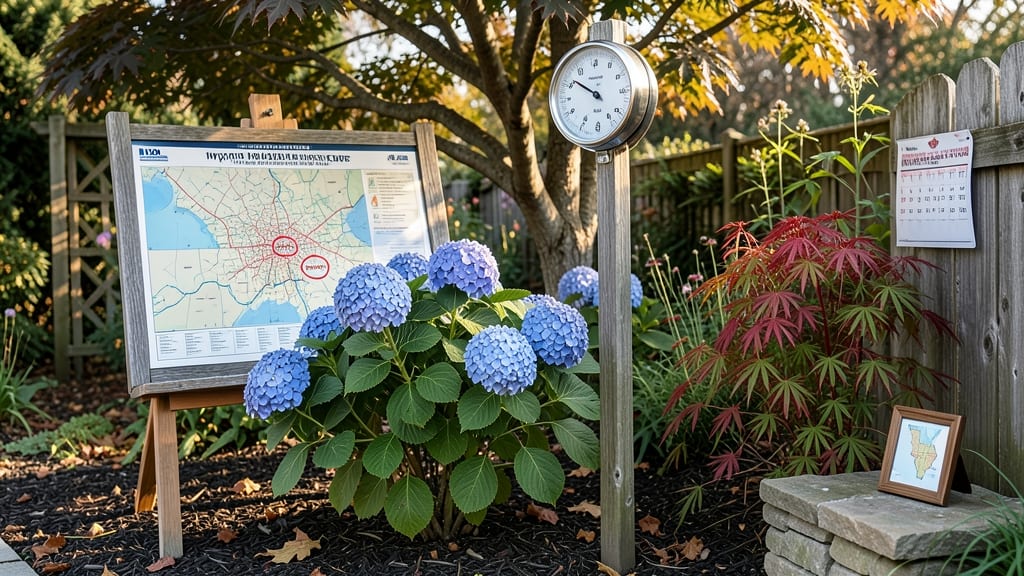
Buffalo, NY, is located in USDA Hardiness Zones 6a and 6b, where winter lows typically range between -10°F and -5°F (-23°C to -21°C). This zone designation helps gardeners determine which plants thrive in Buffalo's climate.
Understanding Buffalo's zone classification is key to successful gardening in the region.
The 10°F difference between 6a and 6b affects which plants can survive winter, with Zone 6a experiencing slightly harsher conditions. 🌱 For example, tender perennials like lavender may need winter protection in Zone 6a but can often survive uncovered in 6b. The last spring frost usually occurs around mid-May, while the first fall frost typically arrives by mid-October, giving gardeners a roughly 150-day growing season—perfect for warm-season crops like tomatoes and peppers when planted at the right time.
This zone information also explains why some plants that thrive in milder climates (like Zone 7's camellias) struggle in Buffalo, while hardy natives like serviceberry trees and black-eyed Susans flourish.
The temperature range means you'll need to choose plants with cold tolerance ratings that match or exceed your specific microclimate within Buffalo's broader zone classification.
💡 In This Article
- How USDA Zones 6a/6b Affect Buffalo’s Growing Season
- Best Plants for Buffalo’s USDA Zone 6 Climate
How USDA zones 6a/6b affect Buffalo’s growing season
The USDA Hardiness Zone classification for Buffalo—6a and 6b—is determined by the average annual minimum temperature, which ranges from -10°F to -5°F (-23°C to -21°C). This 5°F difference between the zones might seem small, but it translates to critical distinctions in plant survival during winter.
For instance, a plant rated for Zone 6b can withstand temperatures down to -5°F, while the same plant in Zone 6a would face a 20% higher risk of winter damage due to the colder extremes.
This is why gardeners in Zone 6a often need to provide extra winter protection for marginally hardy plants like roses or hydrangeas.
The growing season in Buffalo is tightly linked to these zones, with the last spring frost typically occurring around May 15th and the first fall frost arriving by October 15th, giving gardeners roughly 150 frost-free days.
However, microclimates within the city—like urban heat islands or sheltered valleys—can shift these dates by 1-2 weeks. For example, areas near Lake Erie may experience warmer microclimates due to the lake’s moderating effect, allowing for slightly earlier plantings of cool-season crops like lettuce or spinach.
Conversely, inland neighborhoods might see earlier frosts, requiring gardeners to adjust planting schedules accordingly. 🌿
Understanding these zones also helps predict cold tolerance thresholds for plants. Buffalo’s climate means you’ll want to focus on species that can handle prolonged exposure to freezing temperatures, such as serviceberry trees (which thrive in Zone 4) or black-eyed Susans (hardy to Zone 3).
Meanwhile, plants like camellias or olive trees, which prefer Zone 8 or higher, will struggle without winter protection or container growing. The 10°F difference between 6a and 6b can also influence whether you need to mulch heavily or use frost blankets for tender perennials in the colder zone.
Another key factor is soil temperature, which lags behind air temperature. In Buffalo, soil may not warm enough for planting until late April or early May, even if air temperatures rise earlier.
This delay is why warm-season crops like tomatoes and peppers should be started indoors 6-8 weeks before the last frost or planted as transplants after Memorial Day.
The USDA zone map also explains why some plants—like peony bushes—can survive Buffalo’s winters uncovered, while others, like dahlias, need to be dug up and stored indoors. 🌱
For gardeners, this zone classification translates into strategic planning. For example, Zone 6a gardeners might opt for earlier-blooming perennials to take advantage of the shorter growing season, while Zone 6b gardeners can experiment with slightly less cold-hardy varieties.
The 150-day growing window also means succession planting is essential—replacing early crops like radishes with late-season kale or broccoli ensures a continuous harvest. Additionally, wind protection becomes crucial in Buffalo’s exposed areas, as cold winds can drop temperatures 5-10°F faster, making microclimate awareness a game-changer for success.
Finally, the zone designation helps explain pest and disease patterns. Cooler zones like 6a often see fewer tropical pests (like squash vine borers) but may struggle with fungal diseases due to prolonged moisture in spring. Meanwhile, Zone 6b might experience earlier pest activity, requiring gardeners to stay vigilant.
By aligning plant choices with Buffalo’s USDA zones and frost dates, you can create a resilient, productive garden that thrives despite the region’s chilly winters and short but sweet growing season.