
Pests
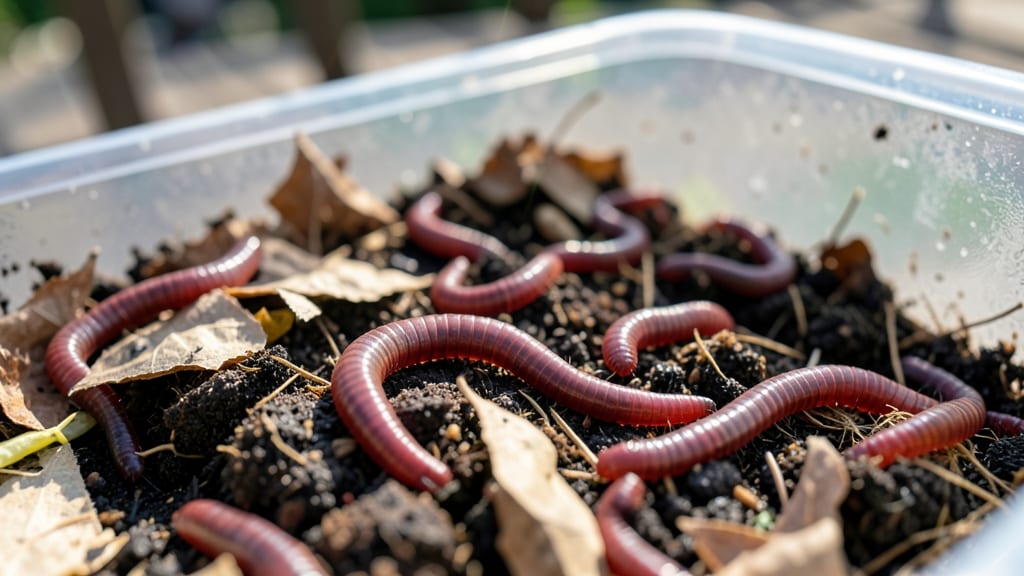
Putting worms in your garden is a smart move because they naturally aerate soil, decompose organic material, and release nutrient-rich castings that boost plant growth. These beneficial creatures also help control pests by breaking down harmful insects and their eggs.
You might wonder why gardeners swear by worms—it's all about their underground superpowers. 🌱 These soil engineers create tunnels that improve drainage and oxygen flow, while their castings act like slow-release fertilizer.
I've seen firsthand how adding red wigglers to my compost pile cut my waste decomposition time by nearly half, and the same benefits apply to garden beds. The best part? They're completely non-invasive and thrive on kitchen scraps, making them a zero-effort solution for healthier soil.
For best results, focus on creating a worm-friendly environment. Start with a dedicated compost bin or bury them gently in moist, shaded garden areas away from direct sunlight. A handful of red wigglers per square foot is plenty—they'll multiply naturally as long as they have proper food and shelter.
Watch for signs like smooth soil surfaces and increased earthworm activity as proof your garden's new inhabitants are doing their job.
💡 In This Article
- How Earthworms Transform Soil Health and Plant Growth
- Best Practices for Adding Worms to Your Garden Ecosystem
How earthworms transform soil health and plant growth
Earthworms act like tiny plows and composters underground, creating a network of tunnels that aerate compacted soil and allow roots to breathe. Their burrowing improves soil structure by breaking up dense clay particles and loosening sandy soils—think of it like installing a drainage system for your plants' roots.
These tunnels also enhance water retention by creating pathways that hold moisture near plant roots, reducing runoff during heavy rains. 🔥
The real magic happens in their castings—worm poop packed with nutrients. A single worm can produce up to 10 times its body weight in castings annually, and these aren't just any nutrients.
Castings contain readily available nitrogen (essential for leafy growth), phosphorus (critical for root development), and potassium (which strengthens plant cell walls). Studies show worm castings have 5 times more nitrogen, 7 times more phosphorus, and 11 times more potassium than regular soil, making them nature's perfect fertilizer.
Beyond physical changes, worms boost microbial activity by mixing organic matter with soil microbes. Their feeding creates microhabitats where beneficial bacteria and fungi thrive, creating a symbiotic relationship that improves nutrient cycling.
For example, earthworms help decompose tough materials like corn stalks and wood chips that other decomposers can't break down, turning them into plant-accessible nutrients within weeks rather than months. 🌱
What's often overlooked is their pest control role. Earthworms consume harmful insect larvae and eggs in their tunnels, acting as natural predators. They also help suppress soil-borne diseases by maintaining a balanced microbial community that outcompetes pathogens.
In my own garden, I've noticed fewer cutworm damage after introducing worms—a direct result of their voracious appetite for insect pests.
Let's talk about the numbers: A healthy garden can support 1 million earthworms per acre, and each worm can process up to 1 pound of organic matter annually.
That means just 50 worms in your 100-square-foot garden could process nearly 200 pounds of plant debris each year, transforming it into nutrient-rich soil. The key is their continuous activity—unlike chemical fertilizers that provide a quick but temporary boost, worms create long-term soil fertility through their constant recycling process.
One fascinating detail is how worms influence soil pH. Their castings tend to be slightly alkaline (pH 6.5-7.5), which helps neutralize acidic soils that many plants struggle with. This natural buffering effect means fewer pH adjustments are needed, saving gardeners time and money on soil amendments. 💫
For maximum benefits, aim to maintain a worm population density of 1-2 worms per square foot in garden beds. This density ensures optimal soil aeration and nutrient cycling without overcrowding.
The worms will naturally migrate to areas with the most organic matter, creating a self-regulating ecosystem that requires minimal intervention from you.