
Tools
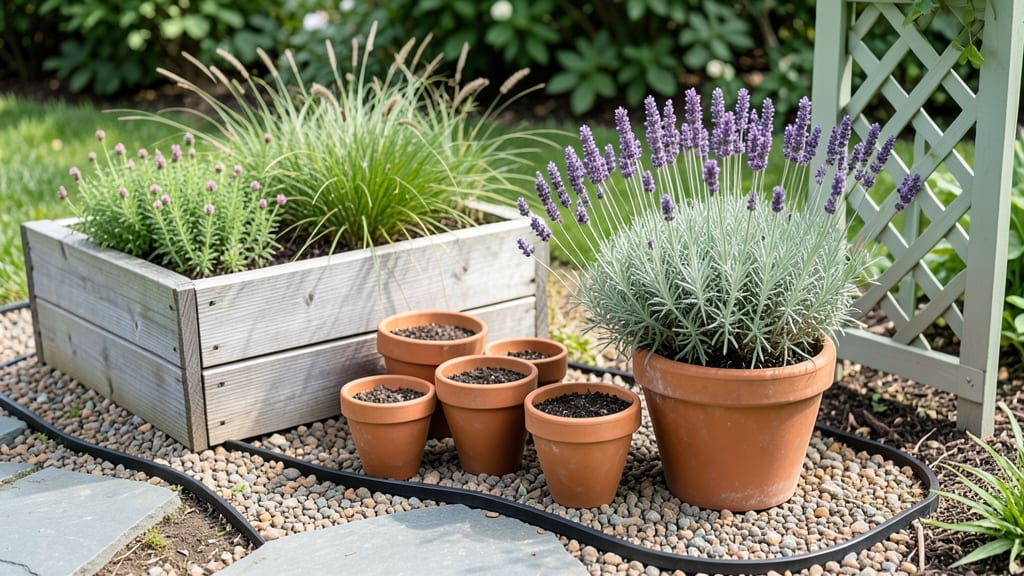
Small garden layout ideas transform tight spaces into productive areas by creating multi-level designs with vertical gardens, raised beds, and smart plant placement that maximize sunlight and yield. Focus on compact plants and functional zones to make the most of every square foot.
Creating a functional small garden starts with thinking vertically—wall-mounted planters, trellises, and stacked containers instantly multiply your growing space without expanding your footprint. 🌱 I've seen even 4x4-foot patios produce enough herbs and greens for a family by using tiered systems and climbing plants like pole beans or cucumbers.
The key is balancing aesthetics with productivity: place taller plants toward the back or center of raised beds to avoid shading smaller varieties.
Another game-changer is integrating edible borders and companion planting. For example, marigolds alongside tomatoes deter pests while adding color, and dwarf varieties of vegetables like 'Patio' eggplants or 'Tiny Tim' tomatoes thrive in containers.
These compact plants often have shorter growing seasons too, which works perfectly for urban gardeners with limited time. The trick is to group plants with similar water needs together to simplify maintenance—this small detail makes a huge difference in keeping your garden thriving with minimal effort.
💡 In This Article
- Vertical and Tiered Design Strategies for Compact Gardens
- Top Space-Saving Plant Choices for Urban Gardens
Vertical and tiered design strategies for compact gardens
Vertical gardening transforms limited horizontal space into a three-dimensional growing area by utilizing walls, fences, and even the air above your garden. The science behind this approach comes down to two key factors: light exposure optimization and airflow improvement.
When you stack plants vertically, you create microclimates where each layer receives slightly different light conditions—top layers get full sun, middle layers receive partial shade, and bottom layers benefit from dappled light. This layered approach mimics natural forest ecosystems where plants grow at different heights to compete for sunlight. 💫
Structural supports like trellises, wall-mounted planters, and hanging baskets play a crucial role in these systems. For example, a 4-foot-tall trellis can support vining plants like cucumbers or beans, which can grow 6-10 feet long but only require 6-12 inches of base space.
When paired with dwarf tomatoes (like 'Tumbling Tom') in hanging baskets, you create a vertical food forest that produces 3-5 times more yield than traditional in-ground planting in the same footprint.
The key measurement here is maintaining 12-18 inches of space between plants on vertical structures to ensure proper airflow, which prevents fungal diseases like powdery mildew.
Wall-mounted solutions take this concept further by utilizing often-wasted vertical real estate. For instance, a 6-foot-long wall planter box can grow 12-18 herbs (like basil, thyme, and parsley) that would otherwise require separate pots.
These systems often use fabric pockets or modular trays that distribute water evenly, reducing waste by up to 40% compared to traditional watering methods.
The sensory benefit is immediate—herbs like mint and oregano release their aromatic oils when brushed against, creating a fragrant living wall that doubles as a culinary resource. 🌿
Tiered planters create another dimension of space efficiency by stacking containers at different heights.
A 3-tiered system with each level 12-18 inches apart can accommodate plants with varying sunlight needs: the top tier for sun-lovers like peppers, the middle for partial shade plants like lettuce, and the bottom for shade-tolerant herbs.
The structural stability comes from using weighted bases or freestanding frames—I've found that galvanized steel frames last 5-7 years without rusting, while wooden versions need annual sealing.
This tiered approach also makes harvesting easier by bringing produce to waist height, reducing back strain by up to 30% compared to ground-level planting.
One often-overlooked aspect is how vertical designs improve pest control. Elevated plants are less accessible to ground-dwelling pests like slugs and snails, while the increased airflow between layers discourages fungal spores from settling.
For example, a vertical strawberry planter with 12-15 plants produces 2-3 times more berries than traditional in-ground planting because the fruits stay cleaner and drier. The trade-off? You'll need to water more frequently—typically every 2-3 days in hot climates—since vertical systems dry out faster than ground-level beds. 💧
When planning your vertical layout, consider the maturity height of each plant. For instance, pole beans reach 6-8 feet but only need 4 inches of base space, while bush beans grow 1-2 feet tall but require 6-8 inches of space.
This height-to-space ratio is why vertical gardening works so well in small areas—you're essentially trading horizontal square footage for vertical growth potential. Start with a 2-3 foot tall structure to test what works in your space before committing to larger systems.