
Tools
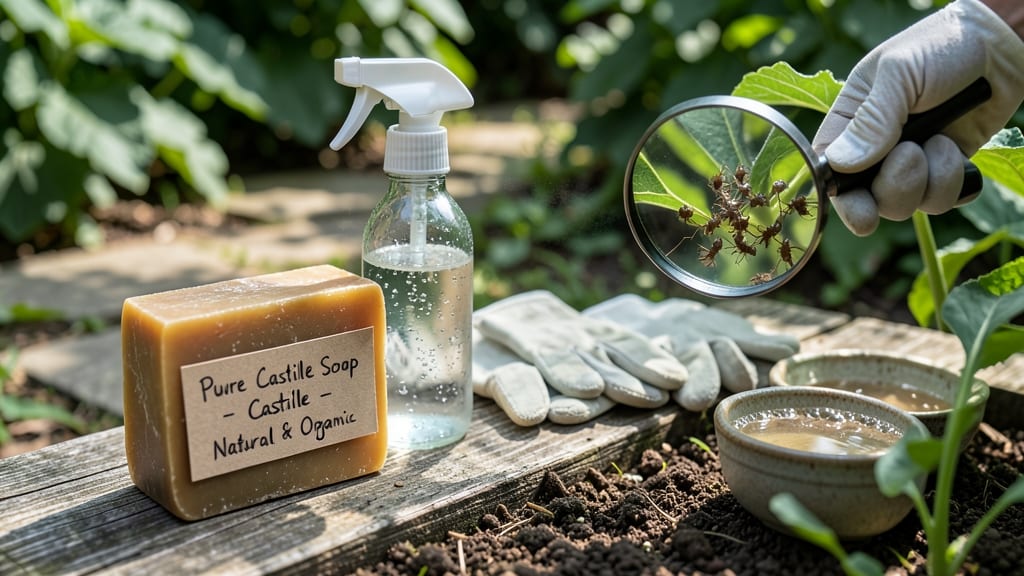
Using soap in the garden disrupts soil microbes, harms beneficial insects, and can damage plant roots by altering pH and nutrient absorption. Opt for plant-based or mild, biodegradable alternatives instead of harsh detergents or dish soap.
Soap in the garden might seem like a quick fix for cleaning tools or pots, but its chemicals can wreak havoc on your soil's delicate ecosystem. 🌱 The surfactants in soap break down the natural structure of soil, stripping away essential nutrients that plants need to thrive.
This disrupts the balance of beneficial bacteria and fungi, which are crucial for healthy root development and nutrient cycling. Even mild soaps can leave a residue that repels helpful insects like bees and ladybugs, throwing off your garden's natural pest control system.
Instead of relying on soap, I recommend using natural cleaners like a mix of water and white vinegar for tools or a gentle castile soap solution for pots—just dilute it properly to avoid any lingering effects.
These options are just as effective at removing grime without harming your plants or the environment. The key is to keep your garden's health in mind while staying on top of cleanliness!
💡 In This Article
- How Soap Disrupts Soil and Plant Health
- Safe Garden Cleaning Alternatives to Soap
How soap disrupts soil and plant health
Soap's primary ingredient—surfactants—works by breaking down oils and dirt, but these same compounds wreak havoc in soil. When applied, surfactants disrupt the hydrophobic (water-repelling) coatings on soil particles, causing them to clump together and reducing aeration by up to 40%.
This suffocates beneficial microbes like mycorrhizal fungi, which form symbiotic relationships with plant roots and help absorb 80% of nutrients from the soil. Without these microbes, roots struggle to access phosphorus, nitrogen, and other essential minerals, leading to stunted growth and yellowing leaves.
The chemical imbalance doesn't stop there. Most soaps have a pH between 9-11, which is alkaline and can raise soil pH levels by 0.5-1.5 units in just a few applications. Soil microbes thrive in slightly acidic to neutral ranges (6.0-7.0 pH), so this shift stresses them out.
For example, earthworms—nature's plows—become less active in alkaline soil, reducing organic matter breakdown by 30% or more. Even "mild" dish soaps contain synthetic fragrances and preservatives that act like slow-release pesticides, repelling pollinators like bees and butterflies while attracting harmful insects.
What makes this especially damaging is how soap lingers. While it may seem like a quick rinse removes all traces, studies show that even 0.1% residual surfactant concentration (about one teaspoon in a gallon of water) can persist in soil for months.
This residual builds up over time, creating a toxic environment where beneficial bacteria populations drop by 50-70%. The result? Plants develop weak root systems, become more susceptible to diseases like root rot, and exhibit nutrient deficiencies despite fertile-looking soil. 🌱
Let's talk about the visual clues that reveal soap damage. Healthy soil has a crumbly texture with visible worm castings and a rich, earthy aroma. Soap-treated soil often appears compacted, smells sharp or chemical-like, and may develop a grayish film on the surface—a sign of microbial death.
Over time, affected plants show signs like curled leaves, slow growth, and an inability to bounce back from stress, even with proper watering and fertilization.
One common misconception is that "natural" or "biodegradable" soaps are safe for gardens. While these may break down faster, they still contain surfactants that disrupt soil structure. The key difference is persistence—not whether they'll eventually degrade.
For example, castile soap (made from olive oil) breaks down in 1-2 weeks compared to synthetic dish soap's 3-6 months or longer, but both still harm soil microbes during that time. The safest approach is to avoid any soap application near planting areas entirely.
The long-term consequences of regular soap use extend beyond individual plants. Soil fertility declines as microbial communities collapse, leading to a vicious cycle where plants struggle to thrive, requiring more synthetic fertilizers—which further disrupt the natural balance.
In severe cases, gardeners may find themselves trapped in a cycle of declining yields despite increased inputs. The good news? Soil can recover with proper amendments like compost and microbial inoculants, but prevention is far easier than cure.