
Tools
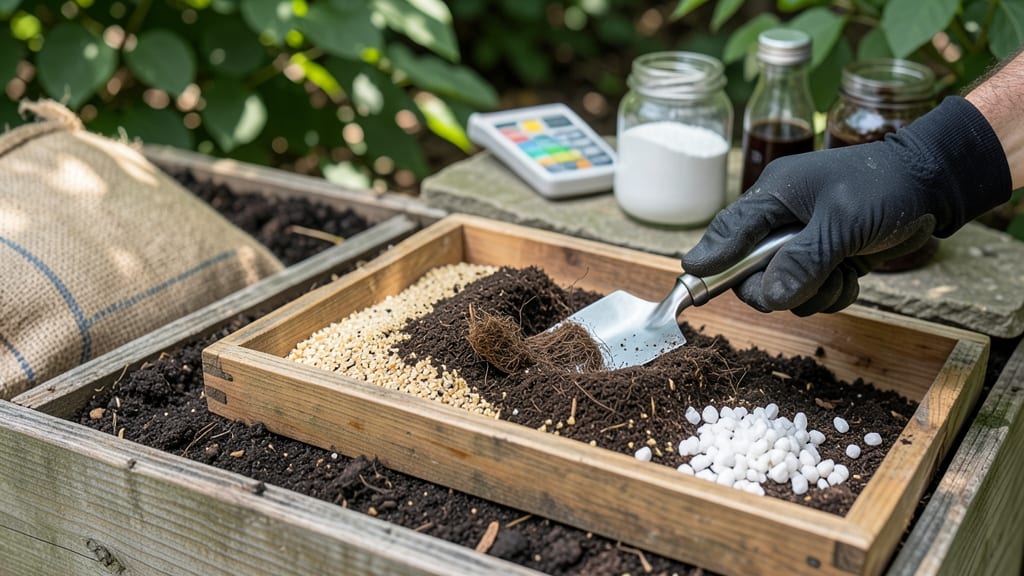
A soil mixture for vegetable gardens should combine 60% topsoil, 20% compost, 10% coarse sand or perlite, and 10% aged manure or worm castings to balance drainage, aeration, and nutrient retention for healthy root growth.
The right soil mixture isn't just about throwing dirt in the ground—it's about creating a living ecosystem where roots can breathe, water flows freely, and nutrients stay available. 🌱 I've found that the 60-20-10-10 ratio works because it mimics nature's own layering: the topsoil provides structure, compost feeds microbes, sand/perlite prevents compaction, and aged manure adds slow-release fertility.
This balance keeps your plants thriving season after season without constant amendments.
What's interesting is how this mix adapts to different vegetables. Root crops like carrots need loose, sandy layers for easy growth, while leafy greens benefit from richer compost layers. The key is testing your soil first—if it's too clay-heavy, add more perlite; if it's too sandy, mix in extra compost.
For acid-loving plants like blueberries, you might even need to adjust the pH with sulfur or lime.
💡 In This Article
- Layering Techniques for Optimal Vegetable Garden Soil
- Customizing Soil Mixes for Different Vegetable Types
Layering techniques for optimal vegetable garden soil
The science behind soil layering is all about creating the perfect balance between aeration and moisture retention. When you start with a 60% topsoil base, you're establishing the structural foundation that holds nutrients and supports root systems.
Topsoil contains essential minerals like potassium and phosphorus, but it often lacks the organic matter needed for microbial activity. That's where the 20% compost layer comes in—it introduces beneficial bacteria and fungi that break down organic material into plant-accessible nutrients.
Here's where things get interesting: the 10% coarse sand or perlite acts as a natural aerator. These materials create tiny air pockets that prevent soil compaction, allowing roots to expand freely and oxygen to reach the rhizosphere (the soil zone directly influenced by roots).
Without this layer, your soil could become as dense as concrete after a few waterings, suffocating roots and limiting growth. 🌱 Think of it like adding drainage holes to a pot—it keeps everything flowing smoothly.
The final 10% aged manure or worm castings works as a slow-release fertilizer. Unlike synthetic fertilizers that burn roots, organic matter releases nutrients gradually as microbes decompose it. This creates a continuous food supply for your plants.
Worm castings, in particular, contain enzymes that improve soil structure and help plants absorb nutrients more efficiently. The key is using well-aged manure (at least 6 months old) to avoid ammonia burns that can harm young seedlings.
What most gardeners don't realize is how these layers interact over time. The compost and organic matter gradually break down, replenishing the topsoil's nutrient bank. Meanwhile, the sand/perlite maintains its structure, preventing the soil from becoming too fine and compacted.
This creates a self-sustaining system where each layer supports the others—like a well-designed ecosystem in your garden bed.
For practical implementation, start by tilling the top 6-8 inches of your garden bed to loosen native soil.
Then work in your amendments in layers: spread a 2-inch layer of compost over the base, followed by a 1-inch layer of sand/perlite, and finish with a 1-inch layer of aged manure. Lightly mix these into the top 4-6 inches of soil before planting.
This stratified approach ensures each component does its job without competing for space.
One common mistake is over-tilling, which can destroy soil structure. Instead, use a broadfork or hand tools to gently aerate while preserving the natural soil aggregates.
The goal is to create a loose, crumbly texture that resembles cake batter—light enough for roots to grow through but with enough cohesion to hold moisture and nutrients. 💫
The beauty of this layered system is how it adapts to different growing conditions. In heavy clay soils, the sand/perlite layer becomes even more critical for preventing waterlogging, while in sandy soils, the compost helps retain moisture.
For container gardening, you can use the same ratios but adjust the proportions slightly—perhaps 50% potting mix, 30% compost, and 20% perlite—to account for the limited space and faster drying rates.