
Vegetables
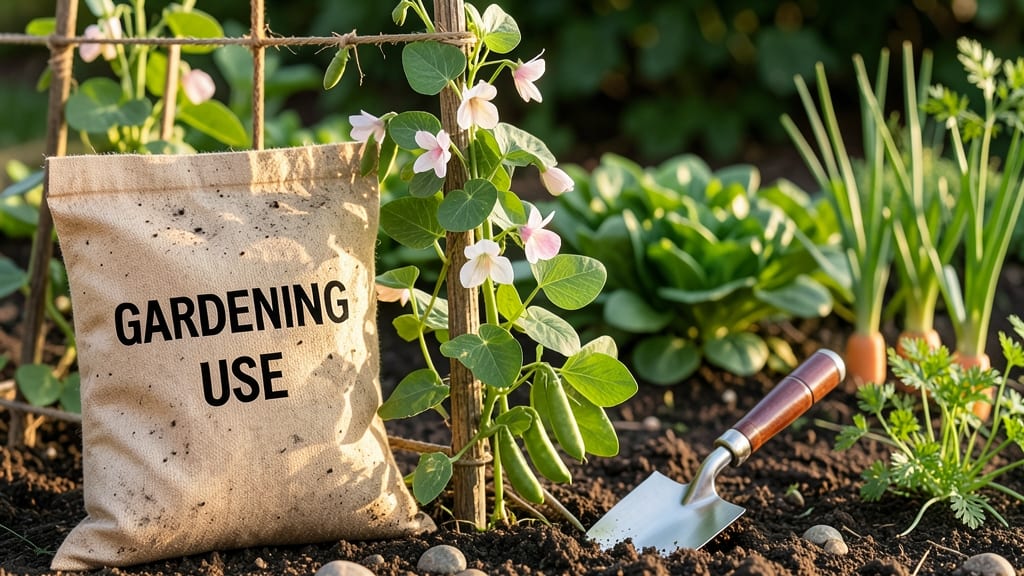
Peat moss is good for vegetable gardens because it improves soil drainage, retains moisture, and lowers acidity in alkaline soils, but its sustainability concerns and long-term depletion risks make alternatives like coconut coir increasingly popular for eco-conscious growers.
Peat moss works wonders for vegetable gardens by creating a loamy texture that helps roots breathe while holding onto water—critical for plants like tomatoes and peppers that need consistent moisture. 🌱 The real game-changer is its ability to acidify soil, which unlocks nutrients like phosphorus and iron that might otherwise sit unused in alkaline conditions.
However, harvesting peat moss destroys fragile wetlands, so I’ve switched to coconut coir for my raised beds—it mimics peat’s moisture retention without the environmental cost.
For gardeners dealing with heavy clay or sandy soils, peat moss acts like a soil conditioner, bridging the gaps between particles to create an ideal growing medium.
That said, the trade-off is real: every bag of peat moss contributes to habitat destruction, so weighing its benefits against sustainable options is key. I’ve found that mixing in composted leaves or biochar can replicate some of peat’s benefits while keeping my garden eco-friendly.
💡 In This Article
- How Peat Moss Affects Soil pH and Vegetable Growth
- Sustainable Alternatives to Peat Moss for Vegetable Gardens
How peat moss affects soil pH and vegetable growth
Peat moss lowers soil pH by releasing hydrogen ions (H+) as it decomposes, creating an acidic environment ideal for many vegetables. This process occurs because peat is primarily composed of partially decayed sphagnum moss, which contains organic acids like humic and fulvic acids.
When mixed into soil, these compounds gradually acidify the medium, typically dropping pH by 0.5-1.5 points depending on the initial soil composition and peat concentration. For alkaline soils (pH 7.5+), this adjustment unlocks essential nutrients like iron and manganese that become unavailable in basic conditions.
The moisture-retention benefits come from peat's fibrous, sponge-like structure that can hold 20 times its dry weight in water while still allowing excess to drain. This dual action prevents both drought stress and waterlogging—critical for root crops like carrots or leafy greens such as spinach.
The texture also improves soil aeration by creating air pockets between particles, which enhances microbial activity that breaks down organic matter into plant-accessible nutrients. 🌱 However, this moisture retention can backfire in humid climates if drainage isn't adequate, potentially leading to fungal issues.
For vegetable growth, the pH adjustment matters most for nutrient uptake. Tomatoes, for instance, thrive in 6.0-6.8 pH soils, where peat moss can help maintain optimal conditions.
The trade-off is that overapplication can create overly acidic soils (pH 5.0 or lower), which locks out calcium and magnesium—essential for cell wall structure and enzyme function.
This is why I recommend testing soil pH before adding peat and using it sparingly (typically 10-20% of the soil mix) for best results.
Comparing peat moss to other amendments reveals key differences. Lime raises pH and provides calcium, while compost adds nutrients but has minimal pH impact. Peat moss uniquely combines acidification with moisture control, though its effects are temporary—lasting 1-3 years before needing replenishment.
The environmental cost is the critical factor: harvesting peat destroys peatlands, which store 30% of the world's soil carbon and support unique biodiversity, making sustainable alternatives increasingly necessary.
In practice, I've found that mixing 1 part peat moss with 2 parts compost and 1 part perlite creates an ideal growing medium for vegetables. This blend maintains moisture without suffocating roots, while the compost buffers against extreme pH shifts.
The result is healthier plants with fewer nutrient deficiencies—a clear demonstration of how peat moss's properties can be harnessed responsibly. 💫