
Planting
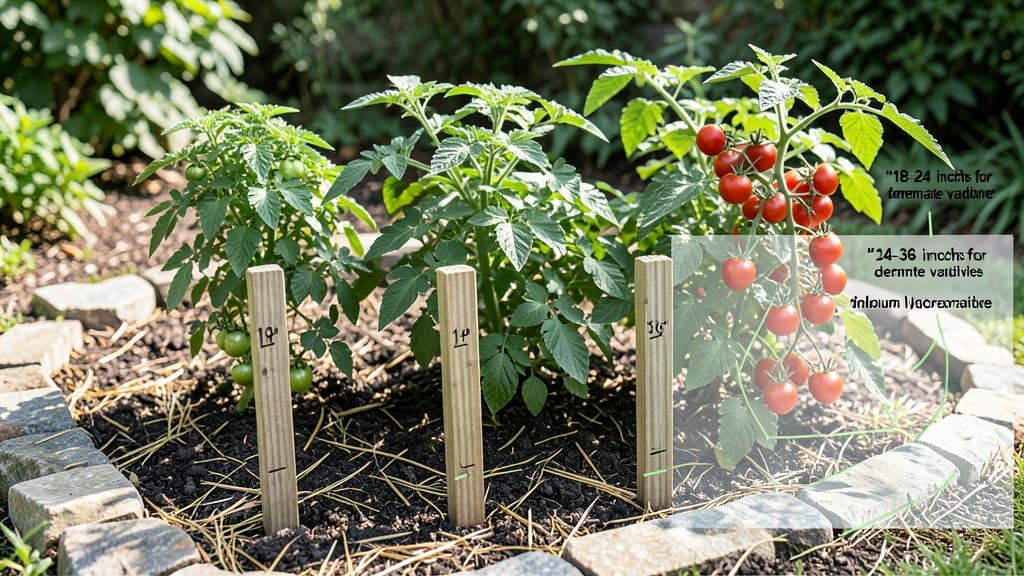
Spacing for garden plants requires careful planning based on mature size, growth habits, and sunlight exposure—typically 12 to 36 inches apart for most vegetables, 3 to 6 feet for shrubs, and 10+ feet for trees. Always check plant tags for variety-specific guidelines to avoid overcrowding and promote healthy development.
Why does spacing matter so much? Plants compete for nutrients, water, and sunlight when crowded, which can stunt growth or even invite pests and diseases. 🌱 For instance, leafy greens like lettuce need just 6-12 inches of space, while sprawling plants like pumpkins require 3-5 feet to thrive.
I’ve found that spacing also affects airflow—critical for preventing fungal issues in humid climates. Start by sketching your garden layout before planting to visualize how mature plants will interact.
For a foolproof approach, use the square-foot gardening method: divide your garden into 1-foot squares and place plants according to their spacing needs. This system maximizes yield in small spaces while keeping maintenance manageable.
Pro tip: mark plant locations with stakes or labels immediately after transplanting to avoid confusion as they grow.
💡 In This Article
- How Plant Spacing Affects Growth and Yield
- Spacing Charts for Common Garden Plants by Type
How plant spacing affects growth and yield
Plant spacing isn't just about aesthetics—it's a critical factor in photosynthesis efficiency. When plants are too close, they shade each other, forcing lower leaves to compete for sunlight. This creates a "competition gradient" where outer plants receive 30-50% more light than inner ones, stunting growth.
For example, tomato plants spaced 18-24 inches apart produce 20% more fruit than those crowded at 12 inches because each plant gets full sunlight exposure throughout the day.
The root systems play an equally important role. Plants with extensive root networks (like asparagus or rhubarb) need 3 feet or more of space to establish deep nutrient zones.
Shallow-rooted plants like radishes (2-3 inches) can tolerate closer spacing because they don't compete for deep soil resources. 🌱 Overcrowding forces roots to grow in tight circles, reducing water and nutrient absorption by up to 40%—this is why you'll often see stunted growth in densely packed herb gardens.
Airflow is another hidden benefit of proper spacing. Crowded plants create microclimates with 70-80% humidity, perfect conditions for fungal diseases like powdery mildew. I've seen zucchini plants in tight rows develop mildew within 10 days of planting, while properly spaced plants stayed healthy all season.
The key is creating a "breathing room" of at least 12-18 inches between plants to allow air circulation and rapid drying after watering.
Growth habits also dictate spacing needs. Bush varieties (like determinate tomatoes) stay compact, while vining plants (like indeterminate tomatoes or cucumbers) need 3-5 feet of vertical space plus horizontal room. The difference?
Bush varieties develop 50% fewer leaves that require sunlight, while vining plants can produce 30% more fruit when given proper support and space. This is why trellising isn't just about saving space—it's about optimizing growth patterns.
Seasonal considerations matter too. Fast-growing summer crops (like beans or basil) can start close (6-12 inches) and be thinned as they grow, while perennial plants (like lavender or rosemary) need their full mature spacing from day one.
The root systems of perennials expand aggressively—lavender, for instance, can spread 2-3 feet wider than its mature height if not properly spaced.
One common mistake is following seed packet spacing guidelines instead of mature plant requirements. Seed packets often suggest closer initial spacing for germination, but these plants will need 3-5 times more space at maturity.
For example, carrot seeds might start 1 inch apart, but mature plants need 3-4 inches to prevent root crowding and forked growth.
Remember: the goal is to mimic natural plant spacing patterns found in meadows and forests, where plants naturally space themselves to optimize resources. In your garden, this means planning for the plant's mature size—not its seedling size. 🌿