
Vegetables
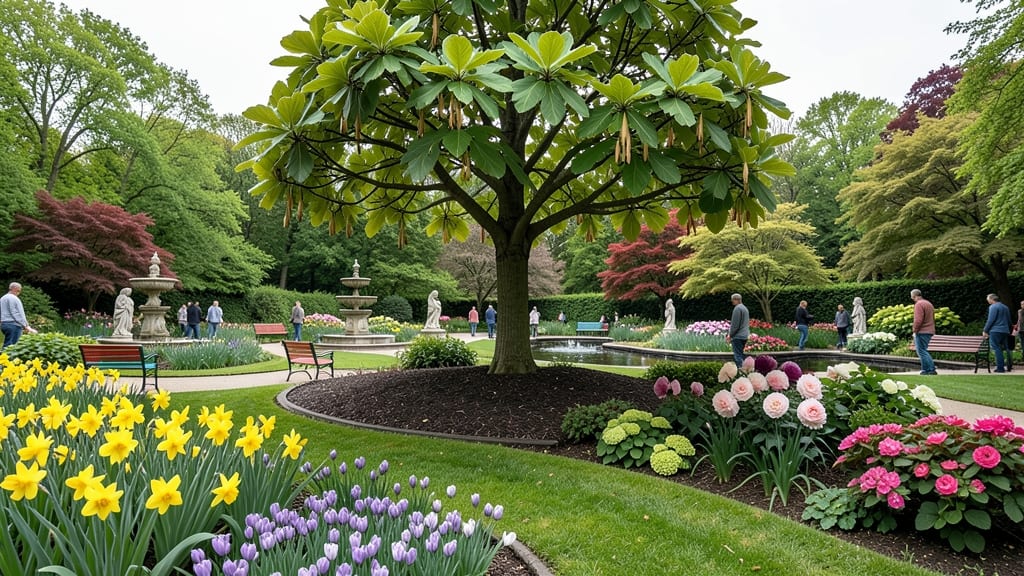
The Butchart Gardens in Victoria, BC, showcase stunning seasonal blooms, meticulously designed themed gardens, and rare plant collections spanning 55 acres of breathtaking landscapes. Open year-round, it's Canada's most visited garden, offering vibrant displays from tulips in spring to chrysanthemums in fall, with hidden trails like the Sunken Garden and Japanese Garden for deeper exploration.
The Butchart Gardens in Victoria, BC, stand out because their mild maritime climate and innovative hydroponic systems create perfect conditions for year-round blooms. 🌸 Unlike many gardens that rely on seasonal changes, Butchart's 900+ plant species thrive thanks to carefully controlled environments, ensuring vibrant displays no matter the time of year.
The famous Sunken Garden, for example, features rare roses and peonies that bloom continuously, while the Japanese Garden offers serene contrasts with its meticulously pruned trees and koi ponds.
What truly makes this garden special is its themed garden layouts, each designed to highlight different plant families. The Rose Garden, with its 300+ varieties, is a must-see in summer, while the Waterfall Garden provides a tranquil escape with its cascading streams and native flora.
For visitors, the best way to experience it all is by arriving early on weekdays or during shoulder seasons to avoid crowds and capture the full beauty of these breathtaking landscapes.
💡 In This Article
- How Butchart Gardens’ Climate and Design Create Year-Round Spectacular Displays
- Insider Tips for Exploring Butchart Gardens’ Hidden Gems and Avoiding Crowds
How Butchart Gardens’ climate and design create year-round spectacular displays
Victoria’s mild maritime climate—with cool summers (68-75°F) and mild winters (35-45°F)—creates the perfect growing conditions for Butchart’s 900+ plant species. Unlike continental climates with extreme seasons, this stable environment allows for extended bloom cycles.
For instance, the famous Sunken Garden maintains its vibrant displays year-round thanks to a hydroponic system that delivers precise nutrient levels and moisture control, ensuring roses and peonies thrive even in winter. 🌿 The garden’s elevation (150 feet above sea level) also reduces frost risk, protecting delicate species like camellias and azaleas.
Themed gardens are strategically designed to maximize visual impact. The Rose Garden, with its 300+ varieties, uses dwarf and climbing roses arranged in geometric patterns to create a lush, layered effect.
Meanwhile, the Waterfall Garden incorporates native Pacific Northwest plants like sword ferns and rhododendrons, which thrive in the garden’s shaded, moisture-rich microclimate.
Even the Italian Garden, with its terracotta pots and citrus trees, benefits from the climate’s 1,500+ hours of sunlight annually, allowing lemons and oranges to ripen year-round. 🍊
Soil science plays a critical role too. Butchart Gardens uses a mix of compost-rich loam and drainage layers to prevent waterlogging, a common issue in Victoria’s rainy climate. For drought-resistant species like lavender and succulents, the garden employs mulching techniques to retain moisture while allowing airflow.
This balance ensures even rare hybrids, such as the ‘Iceberg’ rose or black mondo grass, flourish without artificial interventions. The result? A garden that feels alive in every season, with each plant strategically placed for maximum color contrast and fragrance.
What most visitors don’t realize is how light manipulation enhances the experience. The Japanese Garden’s carefully pruned trees frame views of the koi ponds, while the Sunken Garden’s sunken design creates a natural amphitheater effect, making blooms appear even more dramatic.
Even the pathways are designed with sightlines in mind—every turn reveals a new focal point, from tulip tunnels in spring to chrysanthemum displays in fall. This attention to detail ensures that no matter when you visit, the garden feels like a masterpiece in progress. 🎨
For plant enthusiasts, the science behind Butchart’s success is fascinating. The garden’s propagation labs cultivate rare species, including orchids and carnivorous plants, using controlled humidity and temperature gradients. For example, the Carnivorous Plant Collection thrives in 50-70% humidity and 60-75°F temperatures, mimicking their natural bog habitats.
Meanwhile, the Rose Garden’s drip irrigation system delivers 0.5 gallons per plant daily, ensuring consistent blooms without waste. These innovations allow Butchart to showcase plants that would otherwise struggle in Victoria’s climate.
The garden’s seasonal rotation is another genius touch. While spring brings 20,000+ tulips and summer showcases hydrangeas and dahlias, fall transforms into a chrysanthemum extravaganza with 10,000+ blooms.
Even winter isn’t left out—holly, pine, and winter jasmine provide structure and color. This careful planning ensures that every visit feels fresh, with something new to discover. 🌺
If you’re planning a trip, timing matters. Spring (April-June) and fall (September-October) offer the most vibrant displays, but winter’s Night Illuminations and summer’s Butterfly Conservatory add unique experiences.
Pro tip: Visit the Sunken Garden at golden hour (just before sunset) for the most magical lighting on the roses. The garden’s design isn’t just beautiful—it’s a symphony of science, climate, and artistry. ✨