
Tools
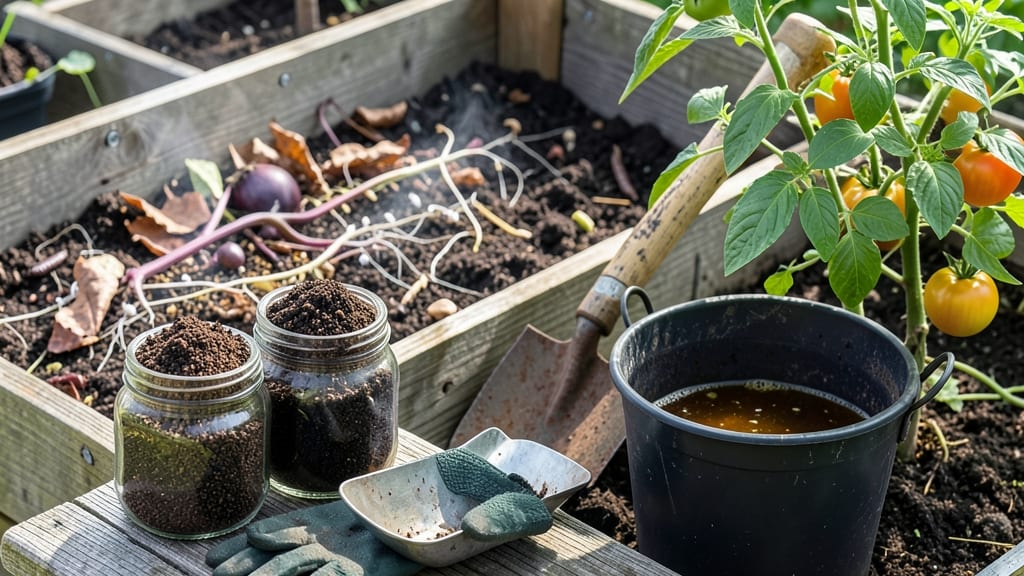
Used coffee grounds for the garden act as a natural soil booster by adding nitrogen, retaining moisture, and repelling pests like slugs while creating ideal acidic conditions for plants like blueberries and azaleas. Use them carefully to prevent over-acidification.
Coffee grounds work like a mini fertilizer factory in your soil. 🌱 The nitrogen they provide helps plants grow lush green leaves, while their gritty texture improves drainage without compacting the earth.
I've seen gardeners use them as mulch around acid-loving shrubs, which thrive in the slightly sour environment coffee creates. Just remember—too much can make the soil too acidic, so mix them into compost or spread thinly as a top layer.
For best results, I recommend composting grounds first to prevent mold or fungal issues. You can also steep them in water for a nutrient-rich "coffee tea" to water plants directly. The key is balance—these grounds are a powerhouse, but like any good tool, they need to be used wisely!
💡 In This Article
- How Coffee Grounds Boost Soil Health and Plant Growth
- Practical Ways to Apply Coffee Grounds Without Harming Plants
How coffee grounds boost soil health and plant growth
Coffee grounds are essentially a slow-release nitrogen bomb for your soil. When they break down, they release 2-3% nitrogen by weight—about 10-15 pounds of nitrogen per 100 pounds of dry grounds.
This nitrogen feeds microorganisms in the soil, which in turn convert it into forms plants can absorb, like ammonium and nitrate.
The process is similar to how compost works, but coffee grounds add a unique kick because they also contain small amounts of phosphorus (0.5%) and potassium (0.5%), creating a balanced nutrient profile for growth. 🌱
The real magic happens in the soil's microbial ecosystem. Coffee grounds provide food for beneficial bacteria and fungi, which break them down into humus—a dark, spongy material that improves soil structure. This humus boosts water retention by 20-30% compared to regular soil, meaning plants stay hydrated longer between waterings.
The gritty texture also prevents soil compaction, which is especially helpful in heavy clay soils where roots struggle to expand. Think of it like adding tiny air pockets to help roots breathe.
One of the most talked-about benefits is how coffee grounds lower soil pH, making them ideal for acid-loving plants.
A typical cup of coffee (about 2 tablespoons of grounds) can drop soil pH by 0.1-0.3 points over time, creating the perfect environment for plants like blueberries (ideal pH 4.5-5.5), azaleas (5.0-6.0), and rhododendrons (4.5-6.0).
The acidity comes from the organic acids in coffee, like chlorogenic acid, which break down slowly and safely. For comparison, lime raises pH, while coffee grounds do the opposite—nature's pH regulator! 💫
However, the nitrogen release isn't instant. Fresh coffee grounds can take 2-4 weeks to break down fully, which is why composting them first is often recommended. The breakdown process also generates heat, which can harm young seedlings or sensitive plants.
This is why experienced gardeners recommend mixing grounds into compost piles or spreading them lightly on mature soil rather than dumping them directly around plant stems.
Another lesser-known benefit is their pest-repellent properties. The strong aroma deters slugs, ants, and even some types of worms by masking the scent of their food sources. I've noticed fewer slug trails in my garden beds after adding a thin layer of grounds around hosta plants—a natural slug magnet.
The caffeine in coffee (though small amounts) also acts as a mild insect deterrent, though it won't stop everything. For maximum effect, combine grounds with other organic mulches like wood chips or straw.
For those curious about the science, the decomposition process follows a predictable pattern: first, aerobic bacteria consume the soluble compounds, then fungi take over to break down the more resistant cellulose. This two-stage process ensures nutrients are released gradually over 3-6 months, making coffee grounds a sustainable slow-release fertilizer.
The key takeaway? They're not just waste—they're a free, organic way to supercharge your soil's health and productivity. 🌿