
Tools
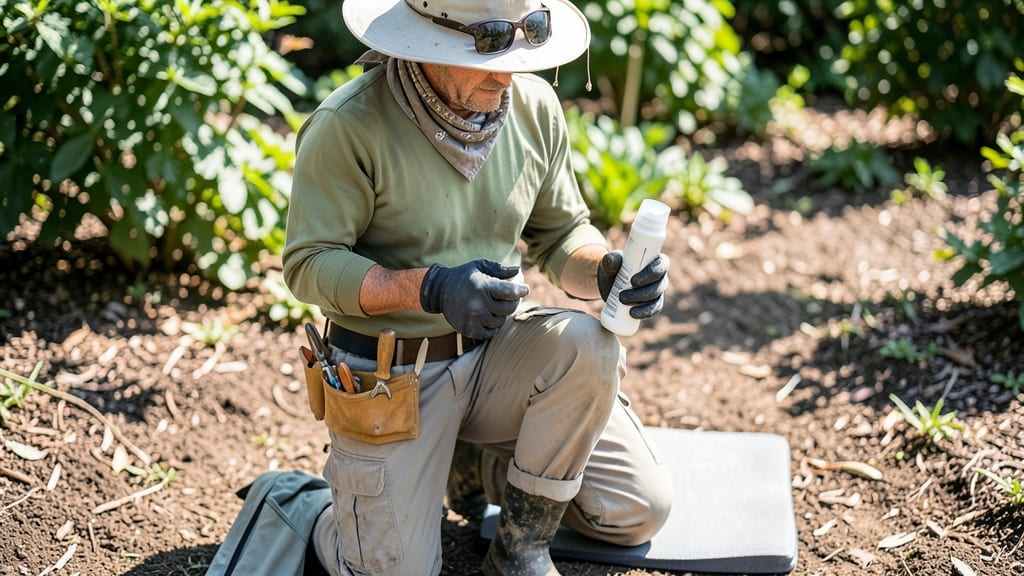
Gardeners wear breathable, moisture-wicking fabrics like long-sleeved shirts, durable pants, and sturdy gloves to protect from sun, thorns, and soil. Seasonal layers include lightweight cotton in summer and insulated jackets in winter, paired with wide-brimmed hats and closed-toe shoes for safety and comfort.
When you're working in the dirt, your clothing isn't just about looking the part—it's about staying safe and comfortable. 🌿 The right fabrics prevent blisters from tools, shield against UV rays, and keep you cool when temperatures climb.
I've learned that even small details, like choosing merino wool socks or UPF-rated shirts, can make a huge difference in how long you can work without fatigue.
For example, during summer pruning sessions, I switch to linen blends that breathe better than polyester, while winter tasks require thermal-lined gloves to protect against frostbite.
What's interesting is how regional climates dictate gear choices. In humid southern gardens, lightweight, quick-dry materials are essential, while northern gardeners prioritize windproof layers and insulated boots. Even footwear tells a story—waterproof hiking shoes for rainy seasons versus sturdy sandals for hot, dry climates.
The key is balancing protection with mobility, so you're not restricted in how you move or reach for tools.
💡 In This Article
- Essential Gardening Clothing Materials for Durability and Comfort
- Seasonal Gardening Outfit Checklist by Climate Zone
Essential gardening clothing materials for durability and comfort
Gardeners prioritize fabrics that balance breathability with abrasion resistance. Polyester blends (like 60% polyester/40% cotton) are popular because they wick moisture away from your skin, reducing sweat buildup that can cause chafing.
This is crucial when working in 75-90°F temperatures where evaporation helps regulate body heat—unlike cotton, which stays damp and can lead to blisters from prolonged contact with tools.
For example, a UPF 50+ long-sleeved shirt blocks 98% of UV rays, protecting against sunburn while allowing airflow through mesh panels under the arms.
The right material also depends on the task. Linen blends excel for summer tasks like weeding or harvesting because they absorb up to 20% more moisture than cotton, keeping you cooler.
Meanwhile, wool or wool-blend pants (like those with 10% merino wool) provide natural odor resistance and insulation against thorns or sharp plant debris.
What most people don’t realize is that wool’s 130°F melting point makes it safer than synthetic fabrics when working near bonfires or compost piles, where accidental sparks could occur.
Durability matters just as much as comfort. Ripstop nylon in knee pads or aprons resists tears from rough surfaces, while reinforced stitching along seams prevents fraying when reaching into dense shrubs.
Even the weight of the fabric affects performance—lightweight 200-thread-count cotton is ideal for hot climates, whereas 300-gram wool offers better protection in windy conditions.
I’ve found that layering a moisture-wicking base layer under a loose-fitting outer shell creates a microclimate that keeps sweat off your skin while allowing heat to escape.
Color plays a strategic role too. Light colors like khaki or pale green reflect sunlight, reducing heat absorption by up to 30% compared to dark fabrics. However, dark colors absorb heat—useful in cool mornings when you want to warm up quickly.
For tasks like transplanting seedlings, I opt for lightweight, stretchable fabrics that allow full range of motion, while heavy-duty denim overalls (with 12-ounce cotton) protect against scratches when handling thorny roses.
Accessories like UV-blocking sunglasses (with 99.9% UVA/UVB protection) and wide-brimmed hats (preferably with a 3-inch brim) complete the protection suite. The hat’s brim should extend at least 3 inches beyond your face to shield your neck and ears, where sunburn often occurs unexpectedly.
For hands, nitrile-coated gloves provide grip for slippery tools while preventing blisters, whereas gardening-specific gloves with touchscreen-compatible fingertips let you adjust your phone or check seed packets without removing them.
What’s often overlooked is how fabric treatments enhance performance. Water-repellent finishes on pants keep soil from soaking through, while antimicrobial coatings prevent bacterial buildup in sweaty areas. For example, a silver-ion-treated shirt can reduce odor-causing bacteria by 99.9% over a week of wear.
These details might seem minor, but they’re what separate a 30-minute gardening session from a full-day project without discomfort.