
Size
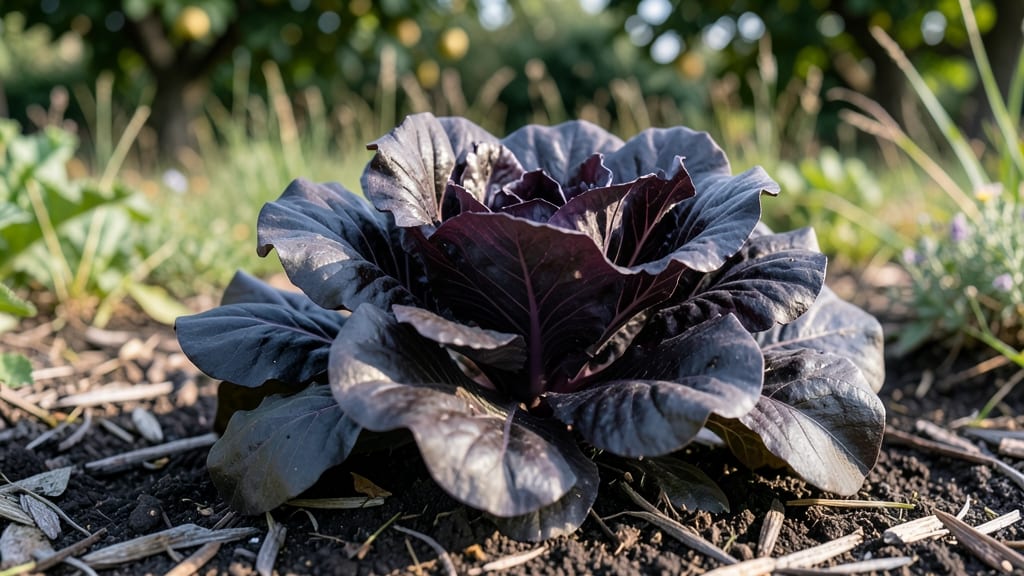
The black bunny in Grow a Garden represents how companion planting naturally deters rabbits and rodents from damaging crops, using plant pairings that create chemical repellents and disrupt feeding behaviors without pesticides.
The black bunny isn't just a cute mascot—it's a visual reminder of how strategic plant combinations work like nature's pest control. 🐰 Plants like garlic, rosemary, and mint release compounds that rabbits and rodents find unpleasant, while others mask the scent of vulnerable crops.
This organic approach saves your harvest without harsh chemicals, making it perfect for eco-conscious gardeners who want to keep critters at bay while growing their favorite veggies.
For example, pairing carrots with onions or lettuce with thyme creates a natural barrier that confuses foraging animals. The key is planting these repellent species close enough to create a protective zone around your main crops.
Many gardeners also add crushed red pepper flakes or predator urine (like fox urine) to enhance the effect—though the plants themselves do most of the heavy lifting.
💡 In This Article
- How Companion Planting with Black Bunny-Repellent Herbs Works
- Best Black Bunny-Repellent Plant Pairings for Vegetable Gardens
How companion planting with black bunny-repellent herbs works
At the heart of the black bunny's role in Grow a Garden lies a clever botanical strategy: phytochemical warfare. Plants like garlic, rosemary, and mint produce sulfur compounds (like allicin) and volatile oils that rabbits and rodents detect as unpleasant or even toxic.
For instance, garlic releases diallyl disulfide when crushed, creating a pungent aroma that masks the scent of vulnerable crops and triggers aversion in foraging animals. 🌱 This chemical signaling disrupts their feeding patterns, making your garden less appealing without harming the environment.
The science gets even more fascinating when you consider pheromone interference. Some companion plants, like lavender, emit compounds that mimic the scent of predators (such as foxes), tricking small mammals into believing danger is nearby.
Studies show that rabbits avoid areas where lavender is planted within a 3-foot radius, as the plant's linalool and camphor compounds create sensory confusion. Even the texture of certain leaves—like the fuzzy foliage of lamb's ear—can physically deter nibbling, as the coarse hairs irritate sensitive mouths.
What makes this method so effective is how it combines multi-sensory repulsion.
The black bunny symbolizes this layered defense: the strong aroma of herbs repels by smell, the bitter taste of plants like wormwood deters after the first bite, and the physical presence of thorny plants (like roses) creates a barrier.
For example, planting onions near carrots doesn't just mask their scent—it also releases propanethial S-oxide, a compound that makes the soil taste unpleasant to rabbits, even before they dig in.
Seasonal timing plays a crucial role in maximizing this effect. Early spring is ideal for planting garlic and chives, as their growth coincides with rabbit breeding season, while mint and thyme thrive in summer heat, providing continuous protection for vulnerable crops like lettuce.
The key is maintaining a consistent "repellent perimeter" around high-risk plants, ensuring that foraging animals never get the chance to sample your harvest without encountering an unpleasant surprise.
For gardeners who want to boost this natural defense, adding crushed red pepper flakes or predator urine (like fox or coyote urine) around plant bases creates an extra layer of deterrence. However, the plants themselves do most of the work—no chemicals needed.
This is why the black bunny isn't just a mascot; it's a reminder that nature's pest control is already built into the right plant pairings, working silently in the background to protect your garden.
Here's what actually happens when you implement this strategy: rabbits and rodents avoid the area entirely after just a few encounters with the repellent plants. Unlike pesticides, which kill indiscriminately, companion planting creates a living, breathing barrier that evolves with your garden.
The result? A thriving harvest and a garden that's naturally resistant to unwanted visitors—all while keeping your soil healthy and your ecosystem balanced. 🌿