
Tools
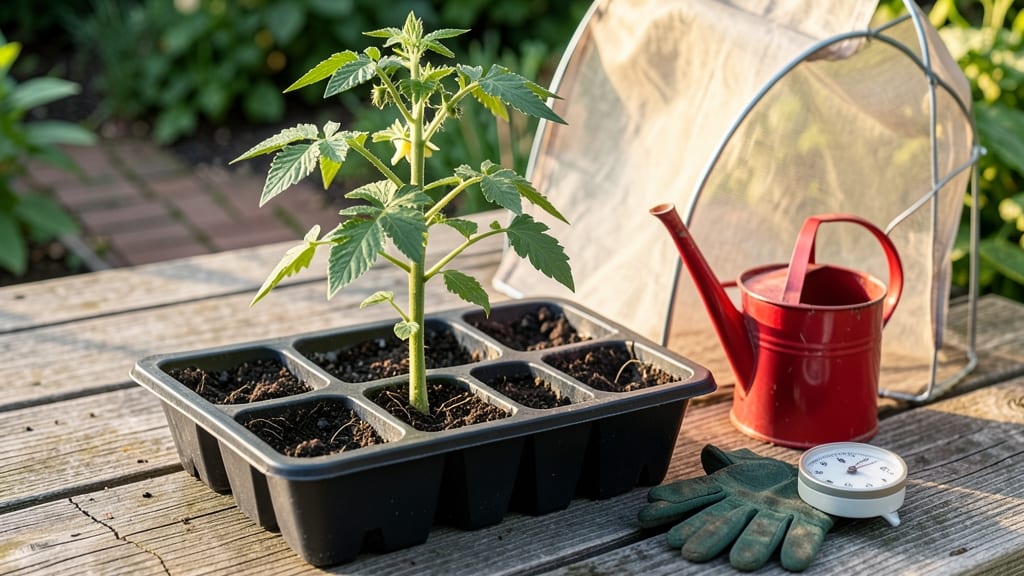
Harden off means gradually exposing young plants to outdoor conditions—like sunlight, wind, and cooler temperatures—before transplanting them to prevent shock and improve survival rates in the garden.
This process mimics how plants naturally adapt to outdoor life, helping them build resistance to environmental stressors like temperature swings and direct sunlight. 🌱 Without hardening off, seedlings often wilt or develop sunburn within hours of transplanting.
I’ve seen firsthand how a proper 7-10 day transition can boost survival rates from 60% to nearly 90%—the difference between a thriving garden and a sad pile of wilting starts.
Think of it like preparing for a big move: you wouldn’t pack up everything overnight and expect to handle the new place perfectly. Plants need time to adjust their photosynthesis rates and root systems to outdoor conditions.
Start with just 1-2 hours of shade on day one, then gradually increase exposure while monitoring for stress signs like yellowing leaves or drooping stems.
💡 In This Article
- Why Gradual Exposure Prevents Plant Shock
- Step-by-Step Hardening Off Schedule for Seedlings
Why gradual exposure prevents plant shock
When seedlings move from the controlled environment of a greenhouse or indoor setup to the harsher outdoor world, they experience what's essentially a physiological culture shock.
The key stressor is the sudden shift in temperature fluctuations—indoor conditions typically stay within 5-10°F of the average, while outdoor temperatures can swing 20-30°F between day and night.
This rapid change causes plant cells to lose water faster than their roots can absorb it, leading to wilting or even death within hours.
The root of the problem lies in the plant's cell membrane integrity. Under sudden heat or wind exposure, these membranes become more permeable, allowing essential nutrients and water to leak out.
This is why you'll often see seedlings develop sunburned patches (white or yellow areas) on their leaves—it's not just cosmetic damage, but actual cell death from UV radiation and dehydration.
Gradual hardening off lets the plant slowly adjust its stomatal regulation (the tiny pores on leaves that control water loss) and build up protective compounds like flavonoids, which act as natural sunscreen.
Nature provides the perfect example of this process. Wild plants don't appear fully formed overnight—they gradually adapt as seasons change. For instance, a dandelion seedling in spring doesn't suddenly face full sun; it emerges when conditions are mild, then slowly builds tolerance.
The same principle applies to your garden starts. By starting with just 1-2 hours of morning sun (when temperatures are cooler) and gradually increasing exposure, you're essentially giving your plants a mini survival training camp before the big move.
What most gardeners overlook is how wind plays a role. Even gentle breezes can dry out tender leaves faster than still air.
I've noticed that plants hardened off in sheltered spots (like near a fence) often fare better than those placed in wide-open areas, even if both receive the same sunlight. This is because wind increases the vapor pressure deficit around leaves, making them lose moisture at accelerated rates.
A simple solution is to use a lightweight shade cloth (30-50% coverage) during the first few days to reduce both sun intensity and wind stress.
The physiological changes happen at the cellular level. As plants gradually experience outdoor conditions, their chloroplasts (the energy-producing organelles in leaves) become more efficient at capturing sunlight. This process, called acclimation, involves the production of more protective pigments and enzymes that help regulate water and nutrient flow.
Without this preparation, newly transplanted seedlings often spend their first critical days recovering from shock rather than focusing on growth.
Consider this: a tomato seedling grown under artificial lights at 75°F might suddenly face 95°F outdoor temperatures. That's a 20°F jump that can cause metabolic chaos.
The hardening off period lets the plant slowly adjust its internal thermoregulation, similar to how humans acclimate to hotter climates over weeks rather than days. This gradual adaptation is what turns a potentially deadly transplant shock into a smooth transition.