
Size
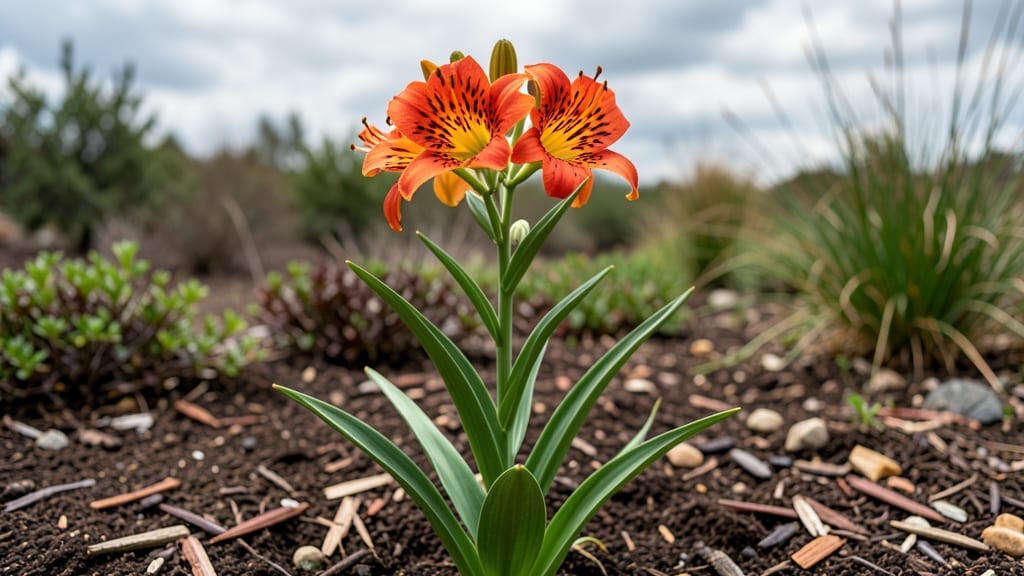
The tiger in Grow a Garden acts as a natural pollinator and seed disperser, mimicking its wild behavior by spreading seeds through movement and symbolizing ecological balance through its role as a top predator that maintains garden biodiversity.
The tiger's presence in this garden concept isn't just symbolic—it reflects real-world ecological dynamics. 🌿 In the wild, large predators like tigers help shape plant communities by controlling herbivore populations, which indirectly benefits seed-bearing plants.
Their movements also distribute seeds through fur and footprints, creating natural pathways for forest regeneration. This dual role makes the tiger a powerful metaphor for how interconnected a thriving ecosystem truly is.
What's fascinating is how this translates into garden design. By incorporating plants that rely on animal dispersal—like berries and fruits—you create a self-sustaining system where the tiger's role becomes a blueprint for balance.
The key is selecting native species that naturally attract pollinators and beneficial insects, mirroring how wild ecosystems function.
This approach goes beyond aesthetics—it's about fostering resilience. A garden inspired by tiger habitats would prioritize layered plantings that provide food and shelter at different stages, much like a tiger's natural environment. The result? A space that doesn't just look wild, but actually functions like one.
💡 In This Article
- Tiger’s Ecological Role in Seed Dispersal and Pollination
- Designing a Tiger-Inspired Garden for Biodiversity
Tiger’s ecological role in seed dispersal and pollination
The tiger’s role in seed dispersal begins with its movements through dense forests. As tigers walk, their thick fur collects seeds from plants like berries and fruits, which then fall off in new locations when the animal grooms or rests.
Studies show that large mammals like tigers can transport seeds up to 500 meters from their original source—farther than wind or small animals can carry them. This creates genetic diversity in plant populations, helping forests regenerate more resiliently after disturbances.
What makes this mechanism unique is the tiger’s size and behavior. Unlike smaller animals that eat seeds and excrete them, tigers often leave seeds intact on their fur or paws. For example, the Indian myrobalan (Terminalia chebula), a key forest plant, relies on large mammals for dispersal.
When tigers move through their habitat, they inadvertently plant these seeds in nutrient-rich areas where the soil has been disturbed by their movements—like near water sources or clearings.
Tigers also influence pollination indirectly by maintaining healthy ecosystems. As apex predators, they control herbivore populations, preventing overgrazing that could destroy flowering plants. In tiger habitats, you’ll often find a higher diversity of flowering species because the balance between predators and prey creates ideal conditions.
This ecological ripple effect means more flowers for pollinators like bees and bats, which further boosts seed production.
The comparison to other large mammals reveals fascinating differences. Elephants, for instance, consume entire fruits and disperse seeds through dung, while tigers act more like passive seed carriers. This distinction matters because tiger-dispersed seeds often end up in microhabitats that elephants wouldn’t access—like dense underbrush or rocky outcrops.
The result? A more patchwork distribution pattern that enhances forest biodiversity.
In their natural range, tigers help create what ecologists call "keystone species effects." By maintaining open spaces through their hunting patterns, they prevent forests from becoming too dense, which benefits ground-level plants that rely on sunlight.
This dual role—seed dispersal and habitat maintenance—makes tigers one of nature’s most effective gardeners, even if they don’t realize it.
What’s particularly striking is how this process mirrors the principles of permaculture design. Just as a permaculture garden uses layered plantings and natural pathways, tiger habitats develop similar structures through their movements.
The key difference? Tigers don’t need human intervention—they’re the original ecosystem engineers, creating the conditions for plants to thrive through their very existence.
For gardeners inspired by this concept, the takeaway is clear: mimic these natural processes by incorporating plants that rely on animal dispersal and maintaining a balanced ecosystem. The tiger’s role isn’t about direct planting, but about creating the conditions where nature can do the work for you. 🌿