
Pests
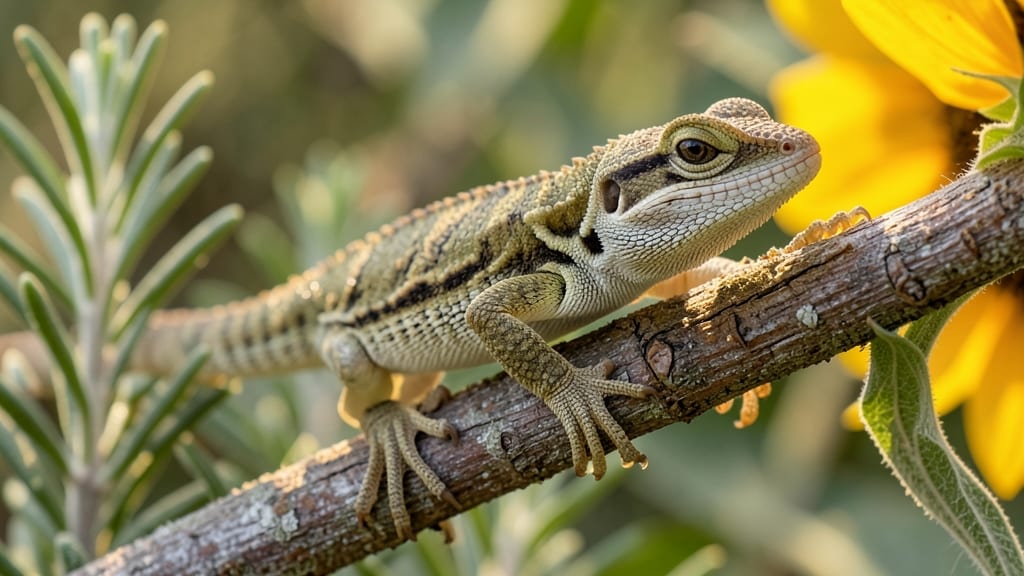
To identify a common garden lizard, look for its slender 5-8 inch body, greenish-brown scales, and long whip-like tail, which often bask on warm surfaces like rocks, fences, or garden walls. Their rapid darting movements and love for sunny spots make them easy to spot during warm daylight hours.
These small reptiles are most active when temperatures rise above 70°F, which is why you'll typically spot them between late spring and early fall. 🔥 Their sleek bodies and quick reflexes help them avoid predators, while their preference for climbing makes them frequent visitors to garden plants and garden structures.
Unlike snakes or frogs, garden lizards have movable eyelids and ear openings, which are key distinguishing features when observing them closely.
If you're trying to tell them apart from other backyard creatures, focus on their tail length—it's usually longer than their body—and their head shape, which is more rounded compared to the pointed snouts of some insects.
Many people confuse them with skinks, but garden lizards lack the smooth, shiny scales that skinks possess.
For the best chance of spotting one, check areas with partial sunlight and nearby shade, like under garden benches or near stone pathways. They're particularly fond of areas with loose soil or rocks where they can dig small burrows for shelter during cooler parts of the day.
💡 In This Article
- Key Physical Traits of Garden Lizards
- Best Spots to Find Garden Lizards in Your Yard
Key physical traits of garden lizards
The most defining feature of a common garden lizard is its slender, elongated body that typically measures between 5 to 8 inches in length, excluding the tail. Their bodies are built for agility, with a streamlined shape that allows them to dart quickly between plants and rocks.
Unlike their reptilian cousins like snakes, these lizards have four well-developed legs positioned close to their body, giving them a compact, almost "boxy" appearance when viewed from above.
Their greenish-brown scales are another key identifier, often blending seamlessly with garden foliage and bark. These scales are dull and granular, lacking the smooth, shiny texture of skinks. The coloration can vary—some individuals display olive-green backs with darker brown stripes, while others have a more uniform sandy hue.
Their long, whip-like tail, which can be up to 1.5 times the length of their body, is another standout feature. This tail is often held slightly raised when they're alert, a posture that helps them maintain balance while climbing.
One of the most distinctive traits is their head shape, which is broader and more rounded than the pointed snouts of insects like earwigs or beetles. Their eyes are large and expressive, with a vertical pupil that gives them excellent depth perception for hunting insects.
Unlike snakes, garden lizards have movable eyelids and visible ear openings on either side of their head, which are crucial for distinguishing them from other backyard creatures. These adaptations allow them to quickly blink to protect their eyes and hear the faint rustling of prey.
When observing them closely, you'll notice their front legs are slightly longer than their hind legs, aiding in their climbing ability. This leg structure, combined with their sharp, slightly curved claws, makes them adept at gripping rough surfaces like bark or stone.
Their skin texture is another clue—it feels slightly rough to the touch due to the overlapping scales, which provide protection and help regulate their body temperature. 🐍 Unlike smooth-skinned amphibians like frogs, their scales create a distinct, almost "sandy" feel when handled gently.
One common point of confusion is distinguishing garden lizards from skinks, which also inhabit gardens. The key difference lies in their tail structure and scale texture.
Garden lizards have fragile tails that can detach easily (a defense mechanism called autotomy), while skinks possess thicker, more muscular tails that don't break off as readily. Additionally, skinks have smooth, shiny scales that reflect light, whereas garden lizards exhibit a more matte, granular appearance.
This visual difference is particularly noticeable when light hits their scales at an angle.
Another helpful comparison is with geckos, which are often mistaken for garden lizards due to their similar habitats. However, geckos typically have larger eyes with vertical pupils, sticky toe pads for climbing smooth surfaces, and are more active at night.
Garden lizards, in contrast, are primarily diurnal (active during the day) and lack the specialized toe structures. Their body shape is more angular, with a noticeable constriction between their head and body, whereas geckos have a more uniform, rounded profile.
Understanding these physical traits isn't just about identification—it's about appreciating their ecological role. Their streamlined bodies and quick reflexes make them efficient predators of garden pests like aphids, spiders, and small insects.
This natural pest control makes them a valuable asset to any garden ecosystem. 🌿 By recognizing these key features, you can better appreciate their presence and even encourage their habitat in your outdoor space.