
Planting
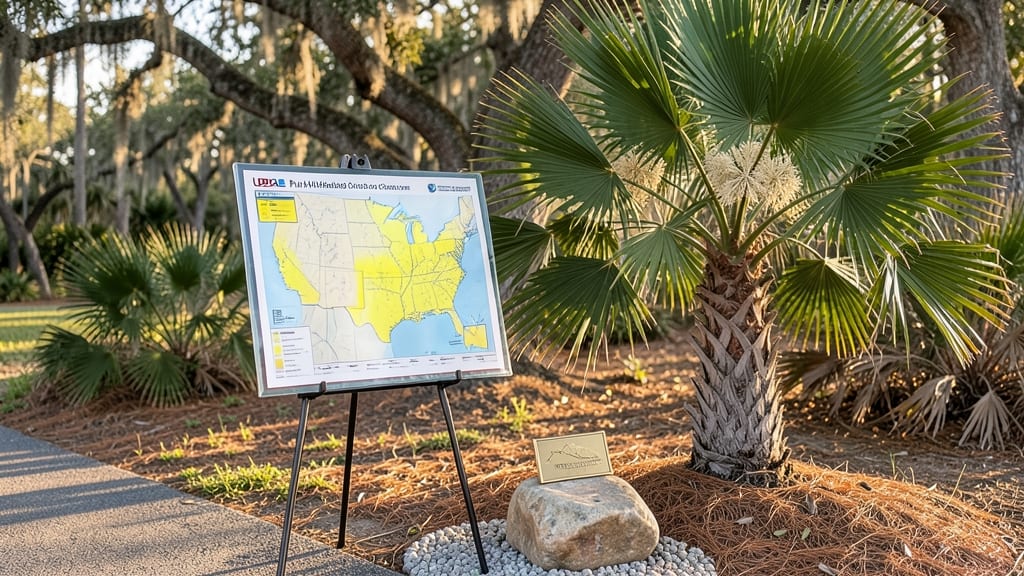
Central Florida's gardening zones are primarily USDA Zones 8b and 9a, with some areas reaching Zone 10a, enabling tropical plants like citrus and bougainvillea to thrive year-round while demanding winter protection for frost-sensitive perennials.
Understanding Central Florida's gardening zones is key to selecting the right plants. 🌿 The USDA Zone 8b range (15-20°F minimum temperatures) covers most of Orlando and the surrounding areas, while Zone 9a (20-25°F) dominates the southern half, including parts of Ocala and Tampa Bay.
These zones allow for extended growing seasons, but microclimates—like urban areas or coastal regions—can push conditions into Zone 10a, where even more tropical species can survive without extra care.
This variation means gardeners must pay close attention to frost dates and local weather patterns to protect sensitive plants during unexpected cold snaps.
For example, citrus trees and bougainvillea thrive in these zones but may need mulching or temporary covers during rare freezes. Meanwhile, native plants like coontie palms and muhly grass are perfectly adapted to the region's heat and drought cycles.
Knowing your exact microclimate helps you plan for both summer blooms and winter survival strategies.
💡 In This Article
- How USDA Zones 8b, 9a, and 10a Define Central Florida’s Planting Seasons
- Best Plants for Central Florida’s Zones 8b-10a: A Seasonal Guide
How USDA zones 8b, 9a, and 10a define Central Florida’s planting seasons
The USDA Zone classification system is based on the average annual minimum temperature, which directly impacts what plants can survive in your area. In Central Florida, Zone 8b experiences minimum temperatures between 15°F and 20°F, while Zone 9a ranges from 20°F to 25°F.
Zone 10a, found in the southernmost microclimates, sees temperatures no lower than 30°F. These temperature thresholds determine which plants can thrive year-round without protection.
Central Florida's frost-free period typically lasts 240-280 days annually, with the growing season extending from mid-February to late November in most areas.
However, microclimates like urban heat islands (e.g., Orlando's downtown) or coastal regions (e.g., Tampa Bay) can push conditions into Zone 10a, where tropical plants like hibiscus and plumeria flourish without winter care.
Meanwhile, inland areas in Zone 8b may experience occasional light freezes, requiring gardeners to monitor National Weather Service alerts for sudden temperature drops below 28°F.
This zone variation explains why citrus trees (Zone 9a-10a hardy) grow abundantly in southern Orlando but may need winter mulch in northern areas. The 10°F difference between Zone 8b and 10a translates to critical survival for frost-sensitive species.
For example, a 20°F freeze will damage bougainvillea in Zone 8b but leave it unharmed in Zone 10a. Understanding these thresholds helps gardeners choose plants that align with their specific microclimate's coldest expected temperatures.
Seasonal shifts also matter: Central Florida's Zone 8b-10a range means summer heat (often exceeding 90°F) pairs with mild winters (rarely below 30°F). This creates ideal conditions for drought-tolerant natives like sabal palms and firebush, which thrive in these temperature extremes.
Meanwhile, tropicals like elephant ears (Zone 9a+) need winter protection in Zone 8b areas where temperatures can dip below their 30°F tolerance.
Gardeners should also consider elevation changes: Hillsides may experience 5°F cooler minimum temperatures than valley floors, creating microclimates within yards. Coastal areas benefit from marine influence that moderates temperatures, while inland regions face more temperature swings.
These variations mean a single address might contain multiple zones, requiring careful plant placement based on exposure and soil conditions.
For practical application, use the USDA Interactive Plant Hardiness Map to pinpoint your exact zone, then adjust planting schedules accordingly.
Most frost-sensitive tropicals should be planted after April 15 (when soil warms above 60°F), while cold-hardy natives can go in during fall or early spring for established root growth before summer heat arrives.