
Planting
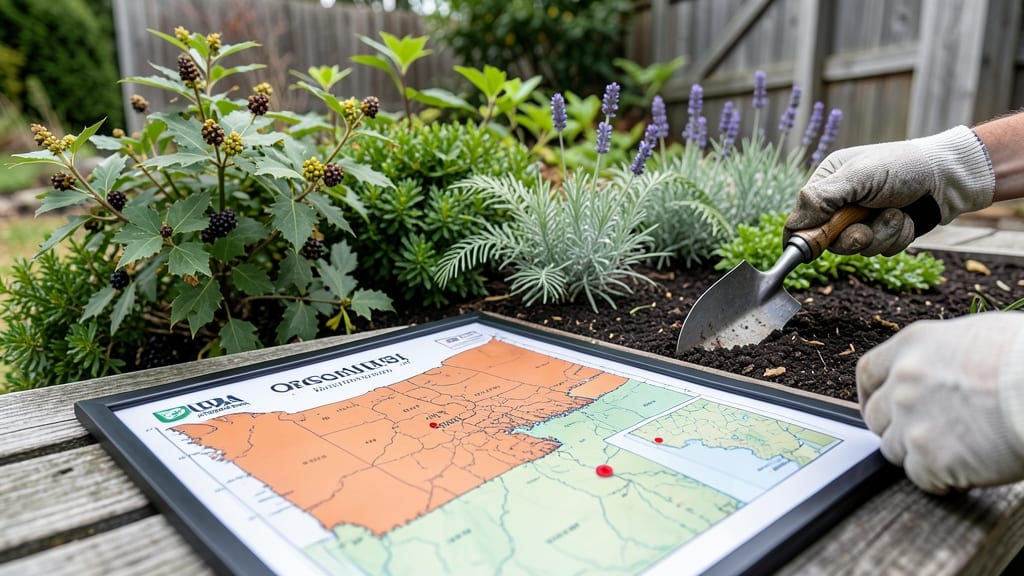
Eugene, Oregon is primarily in USDA Hardiness Zone 8b, where average minimum winter temperatures range between 15°F and 20°F (-9°C to -6°C), allowing for year-round gardening with frost-sensitive plants like citrus and bougainvillea.
Eugene's classification as Zone 8b stems from its unique Willamette Valley location, where maritime air from the Pacific Ocean moderates temperatures year-round. 🌿 The city's average first frost date typically falls around November 15, while the last frost usually occurs by March 15, creating a 220-day growing season—longer than many coastal areas.
This extended warm period supports tropical plants that would struggle elsewhere in Oregon's Zone 7b or Zone 9a regions.
What sets Eugene apart is its microclimate diversity. Urban areas near the river experience milder winters, while higher elevations (like Spencer Butte) can drop 10°F colder at night. The volcanic soil also drains quickly, requiring amendments like compost to retain moisture.
I've found that container gardening works exceptionally well here—it lets you adjust soil conditions and protect tender plants during rare cold snaps.
💡 In This Article
- Understanding Eugene’s USDA Zone 8b Climate Factors
- Microclimate Gardening Tips for Eugene’s Unique Conditions
Understanding Eugene’s USDA Zone 8b climate factors
Eugene's classification as Zone 8b results from its perfect balance of maritime influence and inland warmth. The Pacific Ocean's moderating effect keeps winter lows between 15°F and 20°F (-9°C to -6°C), while summer highs typically stay below 90°F (32°C).
This creates ideal conditions for Mediterranean climate plants that thrive in mild winters but need protection from summer heat. The Willamette Valley's topography funnels ocean air through the valley, creating a temperature buffer that prevents extreme cold snaps common in inland Oregon zones like Zone 7b.
The city's 220-day growing season (from March 15 to November 15) is one of the longest in the Pacific Northwest. This extended warm period allows gardeners to grow tropical plants like citrus trees, bougainvillea, and olive trees that would struggle in Portland's slightly cooler Zone 8a conditions.
The key mechanism here is the valley's "rain shadow" effect - mountains to the west block cold Arctic air while still allowing moist ocean air to penetrate, creating Eugene's unique microclimate where 100+ frost-free days are typical in urban areas.
Elevation plays a critical role in Eugene's climate variations. While downtown sits at 350 feet (107 meters) above sea level, areas like Spencer Butte can experience 10°F colder nighttime temperatures due to radiative cooling.
This elevation difference creates microclimates where some gardeners can grow Zone 9a plants in sheltered locations, while others must protect tender plants during rare cold snaps.
The volcanic soil, rich in minerals but poor in organic matter, also affects plant hardiness - requiring amendments like compost to improve moisture retention and fertility.
What makes Eugene's climate particularly interesting is its low temperature variability. Unlike continental climates where daily temperature swings can exceed 30°F (17°C), Eugene typically sees 10-15°F (5-8°C) daily variations.
This stability allows for successful cultivation of herbs like rosemary and thyme that prefer consistent temperatures, as well as fruit trees like figs and persimmons that need warm winters to produce fruit.
The city's proximity to the coast also means higher humidity levels, which can be beneficial for leafy greens but requires careful irrigation for drought-tolerant plants.
Comparing Eugene to other Pacific Northwest zones reveals its unique advantages. While Seattle (Zone 8a) has cooler summers and wetter winters, Eugene's drier summers and warmer winters create ideal conditions for Mediterranean gardening.
The city's 14 inches (36 cm) of summer rainfall is significantly less than Portland's 20 inches (51 cm), making irrigation management a key consideration for gardeners. This rainfall pattern supports drought-tolerant plants like lavender and rosemary while requiring supplemental watering for thirsty crops during the dry season.
Understanding these climate factors helps explain why Eugene can support year-round gardening with proper planning. The city's mild winters allow for early spring planting of frost-sensitive vegetables like tomatoes and peppers, while extended fall growing seasons permit harvests well into November.
This extended growing window, combined with the city's rich gardening community, makes Eugene one of the most productive gardening zones in Oregon for both food production and ornamental plants.