
Planting
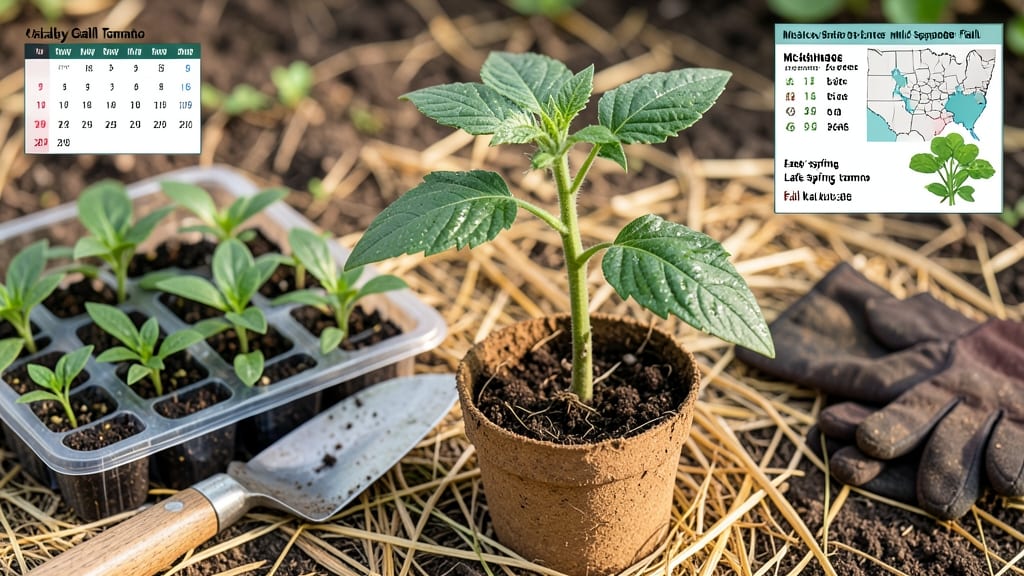
The best time to plant a garden in Michigan depends on your zone and what you’re growing—cool-season crops like spinach can go in as early as March, while warm-season tomatoes need to wait until after the last frost, usually mid-May.
Michigan’s unpredictable spring weather can turn a gardener’s dream into a nightmare if you plant too early—so knowing the exact last frost dates for your zone is non-negotiable.
In 5b-6b, southern Michigan’s frost-free window starts around April 15, while the Upper Peninsula’s later frost dates push planting back to May 1 or later.
That’s why I’ll break down the ideal timing for everything from lettuce to zucchini, plus how to adjust for late frosts or early heat.
You’ll also find out which fast-growing plants can handle early starts, how to use row covers to extend your season, and when to stop planting for fall harvests—so you can make the most of Michigan’s 150-180 frost-free days.
Michigan’s last frost dates by Zone: when to plant cool vs warm-season vegetables
Michigan’s USDA hardiness zones 4-6 create dramatic differences in frost timing—from late April in southern Michigan to mid-June in the Upper Peninsula. These dates separate success from failure for your garden, so let’s break down the critical windows for cool-season and warm-season vegetables by zone.
I’ll also share how to handle those pesky late frosts that love to sneak in.
For Zone 4 (Northern Michigan/UP), the average last frost date hovers around May 15-20, while Zone 6 (Southern Michigan) typically sees its final frost by April 20-30.
Zone 5 (central/southern lower peninsula) falls in between, with May 1-10 being the magic window. These dates give you a 120-150 day growing season, which is why planning matters.
Here’s the non-negotiable rule: Plant cool-season crops (like spinach, peas, and kale) 4-6 weeks before your last frost date. Warm-season plants (such as tomatoes, peppers, and basil) need soil temperatures above 60°F—usually 2-3 weeks after your last frost.
Let’s dive into the specifics by zone with this quick reference table.
| Zone | Avg Last Frost | Cool-Season Planting Window | Warm-Season Planting Window | Key Examples |
|---|---|---|---|---|
| Zone 4 (UP/Northern) | May 15-20 | April 1-15 | June 1-10 | Spinach, peas, kale, lettuce; tomatoes, peppers (late May) |
| Zone 5 (Central) | May 1-10 | March 20-April 15 | May 15-25 | Broccoli, cabbage, radishes; basil, cucumbers, beans |
| Zone 6 (Southern) | April 20-30 | March 15-April 10 | April 30-May 15 | Arugula, carrots, onions; peppers, eggplant, melons |
*Dates vary yearly; use row covers to extend cool-season windows by 2-3 weeks.
In Zone 4, where late frosts are more common, I recommend waiting until late May to plant tomatoes and peppers unless you’re using a cold frame or black plastic mulch to warm the soil.
For Zone 6, you can push the envelope and start warm-season crops as early as April 30 if you’re prepared to cover them with frost cloth.
Don’t forget about fall planting! Cool-season crops like spinach and kale can handle light frosts, so aim to plant them 6-8 weeks before your first frost date (typically October 15-30).
In Zone 4, this means late August to early September, while Zone 6 gardeners can extend this window until mid-October.
Pro tip: Use Michigan State University’s Frost Date Calculator (linked in my resources) for your exact location—it accounts for microclimates like urban heat islands or lake-effect cooling. I’ve also planted bush beans successfully in early May in Zone 5 by using straw mulch to protect tender seedlings.
For warm-season crops, soil temperature matters more than air temperature. Use a soil thermometer—warm-season plants won’t germinate well below 60°F. In Zone 4, this often means waiting until late May or early June, while Zone 6 can start as early as mid-April in protected microclimates.
Historical data shows that late frosts (after the average last frost date) occur about 1 in 3 years in Michigan. To mitigate this risk, I always plant fast-growing cool-season crops like radishes and lettuce first—if a frost hits, I can harvest them quickly and replant.
For warm-season crops, I use biodegradable plant pots to transplant seedlings if nights are still chilly.
Remember: Succession planting is your best friend. In Zone 5 and 6, you can plant lettuce and carrots every 2 weeks from March to August for a continuous harvest. And in Zone 4, focus on hardier varieties like Swiss chard and kale, which tolerate light frosts.
Finally, keep an eye on Michigan’s cherry blossom forecast—when tart cherries bloom in late April, it’s a sign that warm weather is here to stay (
How to adjust planting times for Michigan’s unpredictable weather patterns
Michigan’s spring weather is famously fickle—one day you’re planting peas, and the next, a late frost threatens to wipe out your seedlings. The key to success lies in flexibility and proactive adjustments.
While average last frost dates give a general guideline, Michigan’s microclimates and unpredictable temperature swings mean you need a backup plan. I’ve learned that relying solely on 30-year averages can be risky; instead, I monitor 10-day forecasts, track soil temperatures, and use season-extending tools to safeguard my garden.
Start by understanding your local frost patterns. Southern Michigan (zones 6a-6b) typically sees its last frost around April 15, while northern areas (zones 4b-5a) can wait until May 10.
But here’s the catch: late frosts can still occur well into May, especially in low-lying areas or near large bodies of water.
I once lost my entire broccoli crop because I planted too early—a hard lesson that taught me to wait until soil temperatures consistently stay above 40°F before sowing cool-season crops.
⚠️ callout-warning
Don’t ignore these early indicators of an impending late frost:
- 🌸 Flower blooms on fruit trees (e.g., apple, cherry) signal frost risk within 24–48 hours.
- 🌬️ Wind shifts from south to north, bringing colder air masses.
- 🌡️ Morning temps drop below 32°F despite daytime warmth.
Action: Cover tender plants with row covers or frost cloth if frost is forecasted within 3 days.
To extend your growing season, I swear by row covers and cold frames. Lightweight floating row covers (like Reemay fabric) can raise soil temperatures by 5–8°F, allowing me to plant spinach or lettuce 3–4 weeks earlier in spring.
For warm-season crops like tomatoes or peppers, I use black plastic mulch to warm the soil faster—sometimes I can plant them 2 weeks ahead of schedule without risking frost damage.
Microclimates also play a huge role; south-facing slopes warm up faster than shaded areas, so I always plant heat-lovers like basil or cucumbers near my house or fence where they get reflected heat.
Another trick I rely on is succession planting. Instead of putting all my eggs in one basket, I stagger plantings of fast-growing crops like radishes or bush beans every 2 weeks. This way, if an early frost hits, I still have a harvest from later plantings.
For warm-season crops, I start seeds indoors under grow lights 6–8 weeks before the last frost, then transplant hardened-off seedlings once the danger has passed. This method has saved my tomato and pepper plants from multiple close calls with late frosts.
Don’t forget about fall planting—Michigan’s growing season isn’t just about spring! Many cool-season crops, like kale, carrots, and garlic, thrive when planted in late August or early September. The soil stays warm enough to support growth, but the cooler air prevents bolting.
I’ve had exceptional harvests of baby carrots and baby spinach planted in late summer, thanks to the extended daylight and mild temperatures of early fall.
Finally, invest in a soil thermometer—it’s a game-changer. Warm-season crops like tomatoes and peppers need soil temps of at least 60°F to germinate properly. If your soil is still cold, wait it out or use black plastic mulch to speed up warming.
And always keep an eye on the National Weather Service’s 10-day forecast—those overnight lows** can be the difference between a thriving garden and a frost-bitten disappointment.