
Planting
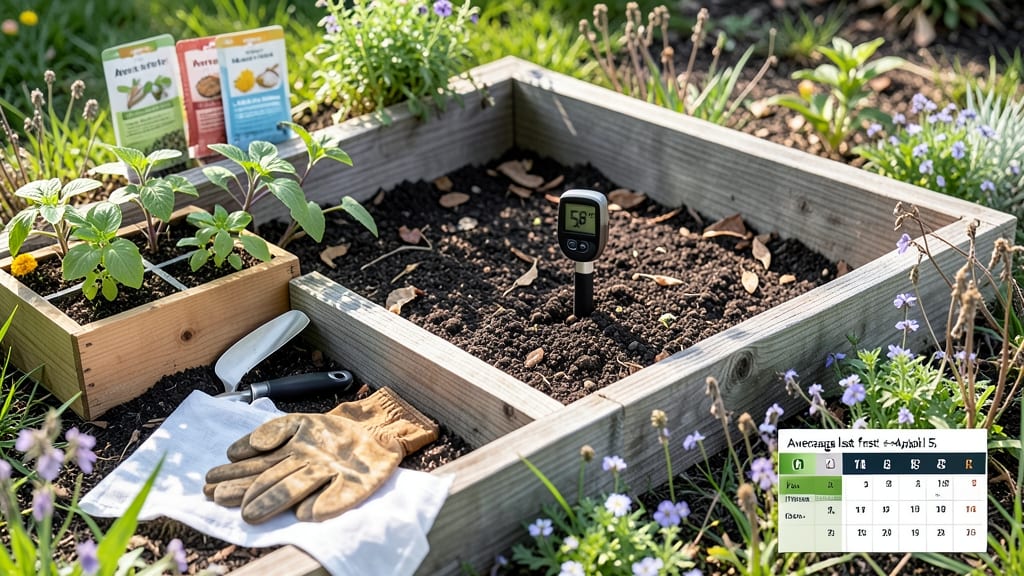
The best time to plant a garden in Ohio depends on soil warmth and last frost dates — typically mid-April to early June for most vegetables, with regional tweaks that can make or break your harvest.
Ohio’s unpredictable spring weather can turn a gardener’s excitement into frustration—planting too early risks frost damage, while waiting too long means missing peak growing seasons. But with the right timing and soil temperature knowledge, you can maximize your garden’s success from the get-go.
Southern Ohio gardeners often get a head start by late March or early April, while northern regions should wait until after Mother’s Day to avoid late frosts. The key is checking soil temps: most plants thrive when the ground reaches 60°F.
Below, I’ll break down the exact planting windows for your region, frost risk alerts, and 5 pro tips to extend your growing season safely—so you can enjoy a bountiful harvest without the guesswork.
Ohio’s frost-free planting zones & ideal soil temperatures by plant type
Ohio spans USDA hardiness zones 5b to 6b, meaning your planting timeline should account for both northern and southern microclimates. While northern Ohio (like Cleveland) averages its last frost around May 15, southern Ohio (like Cincinnati) typically sees frost-free conditions by April 15.
These differences can mean the difference between thriving plants and frost-nipped dreams.
Soil temperature is just as critical as air temperature. Most vegetables and flowers need soil to reach at least 50°F (10°C) before planting, while warm-season crops like tomatoes and peppers demand 60°F (15°C) or warmer. Using a soil thermometer ensures you’re planting at the perfect moment—no more guessing games.
Below, I’ve broken down the key frost-free dates and soil temperature thresholds by plant type, so you can plan your Ohio garden with confidence. Whether you’re growing cool-season crops like lettuce or warm-season favorites like basil, timing is everything.
🌱
If you’re in northern Ohio, wait until after May 15 to plant warm-season crops like tomatoes and peppers. The risk of frost drops significantly after this date, but always keep an eye on your local weather forecast—late frosts can still sneak in.
For southern Ohio, you can start planting outdoors as early as April 15, but be prepared to protect tender seedlings with row covers if temperatures dip.
Pro tip: Use a soil thermometer to confirm readiness. Stick it in the ground 2-3 inches deep and wait until the temperature stabilizes for at least 24 hours. This small investment saves you from planting too early and risking frost damage—or waiting too long and missing the optimal growing
Step-by-step spring planting timeline for Ohio gardens (with frost risk alerts)
Ohio’s spring planting season hinges on soil temperatures and last frost dates, which vary by region. Northern Ohio typically sees its last frost around April 20–May 10, while southern Ohio averages April 5–April 20.
To avoid frost damage, plan ahead with this month-by-month guide tailored to Ohio’s USDA Zones 5b–6b.
Start by checking your soil temperature with a thermometer—most vegetables need 50–60°F to thrive. Cool-season crops like peas and lettuce can handle 40–50°F, while warm-season plants like tomatoes and peppers need 60–70°F to germinate. Use this timeline to align your planting with Ohio’s frost-free window.
🌱 Ohio Spring Planting Timeline
- Late February–Early March: Start cool-season seeds indoors (e.g., broccoli, cabbage, spinach). Use grow lights if natural light is limited.
- Mid-March: Direct-sow hardy crops outdoors (e.g., peas, radishes, spinach) once soil reaches 40°F. Cover seedlings with row fabric for frost protection.
- Early April: Transplant indoor-started seedlings (e.g., onions, leeks, kale) after last frost risk passes. Monitor nighttime temperatures—keep row covers handy for 32°F+ drops.
- Mid-April: Direct-sow warm-season crops (e.g., beans, corn, cucumbers) only if soil is 60°F+. Use black plastic mulch to warm soil faster.
- Late April–Early May: Plant tomatoes, peppers, and eggplants after soil hits 65°F. Harden off seedlings first to prevent shock.
- May–June: Succession plant fast-growing crops (e.g., lettuce, bush beans) every 2–3 weeks to extend harvests. Watch for late frost alerts from local weather services.
🌡️ Frost Risk Alert: If temperatures drop below 32°F after planting, cover tender plants with frost cloth or use cloche bells for protection.
Ohio’s late frosts can sneak in as late as May 10 in northern regions, so always have a plan. Signs of frost damage include blackened leaves or crispy edges on plants. For extra safety, use heat mats or row covers for early plantings.
Pro tip: Use a planting calendar specific to your Ohio county—resources like the Ohio State University Extension provide hyper-local frost date data. Adjust your timeline based on microclimates, like south-facing slopes that warm up faster.
By following this timeline, you’ll avoid the heartbreak of frost-killed seedlings and ensure your garden thrives from spring greens to summer tomatoes. Happy planting! 🌱