
Picking
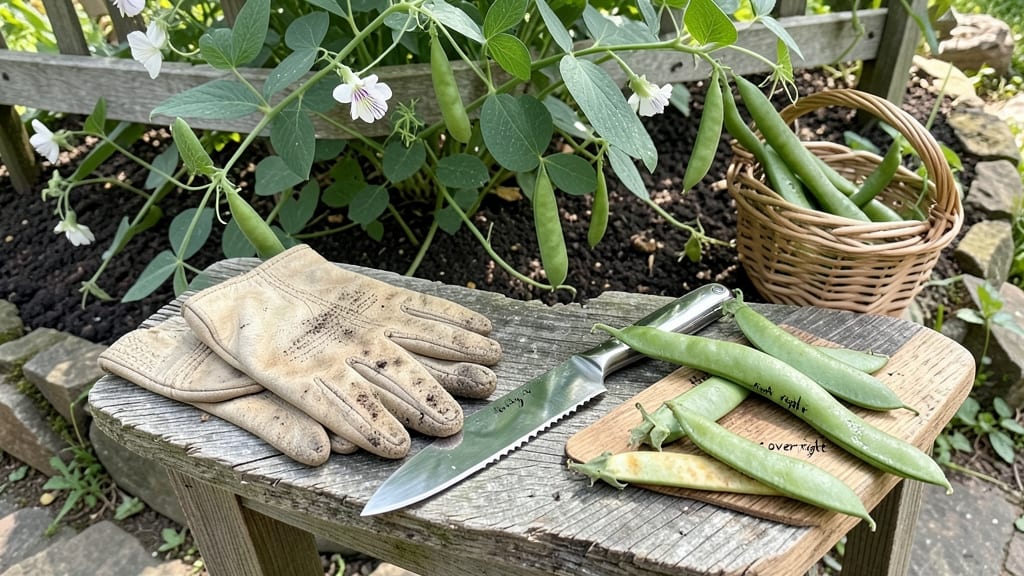
Harvesting garden peas at the right time means snapping into sweet, tender pods instead of tough, mealy ones—so timing matters more than you might think.
Picture this: you’ve been waiting 60 days for your 🌱 garden peas to mature, only to pick them too late and end up with dry, shriveled pods. Or worse, you harvest too early and miss out on that peak sweetness.
The difference between a perfect pea and a disappointment often comes down to knowing exactly when to pluck them.
In this guide, I’ll walk you through the two key signals—pod size and the famous "snap test"—that tell you when your peas are ready for the pot.
You’ll also learn how climate, variety, and even the time of day can shift your harvest window, plus how to avoid the three biggest mistakes that turn a great yield into a flavor letdown.
Skip the guesswork and discover how to time your harvest for maximum flavor and yield, whether you’re growing sugar snaps, snow peas, or classic English peas. Ready to turn your pea patch into a sweet, crunchy success?


How to identify perfectly ripe garden peas by size and color
Harvesting garden peas at the right moment transforms your garden into a sweet, crispy treasure trove. The key lies in understanding the three main pea varieties—sugar snap, snow, and English peas—and their unique ripeness signals.
Each type has distinct size and color cues that tell you exactly when to pick for peak flavor and texture. For example, sugar snaps should be 2–3 inches long with a vibrant green hue, while snow peas need to reach 3–4 inches before harvesting.
Color plays a crucial role in determining ripeness. Bright green pods are a universal sign of freshness, but subtle variations exist. Sugar snaps often develop a slightly waxy sheen, while snow peas maintain a matte finish.
English peas, on the other hand, should have plump pods with visible seeds that haven’t yet filled the entire space. Ignoring these visual cues can lead to tough, fibrous peas or overly mature pods that lose their sweetness.
Here’s where many gardeners go wrong: they assume all peas are ready at the same size. In reality, harvest windows vary by variety. Sugar snaps, for instance, should be picked when they’re crisp and sweet**, while snow peas need to be harvested before their seeds bulge.
English peas, often eaten for their peas rather than pods, require pods to be fully developed but not overripe. Understanding these differences ensures you never miss the perfect harvest moment.
For beginners, distinguishing between ripe and overripe peas can be tricky. Overripe pods often appear duller in color and may develop wrinkles or soft spots. If the seeds inside are bulging and filling the pod, it’s past its prime.
Another telltale sign is the loss of crispness—ripe peas should feel firm and slightly resistant when gently squeezed, while overripe ones will feel mushy or hollow.
Climate also plays a role in ripening. In cooler regions, peas may mature more slowly, requiring you to wait an extra 5–7 days before harvesting. Conversely, in warmer climates, peas can ripen faster, so monitor them closely.
If you notice pods opening naturally or seeds spilling out, you’ve waited too long. The goal is to harvest when pods are firm, vibrant, and full of flavor—not a day later.
One of my favorite tricks for ensuring perfect ripeness is to harvest in the morning after dew has dried. This is when peas are coolest and crispest, making them ideal for eating fresh or storing.
If you’re unsure about a pod’s readiness, perform the snap test—gently bend it; if it snaps cleanly, it’s ready. If it bends without snapping, it’s underripe, and if it feels brittle, it’s overripe.
Don’t forget that regular harvesting encourages more production. When you pick peas consistently, your plants will keep producing new pods for weeks. Skipping harvests can lead to bitter, fibrous peas and even reduced yield as the plant focuses energy on seed development.
Aim to harvest 2–3 times per week during peak season to keep your pea plants happy and productive.
If you’re growing multiple pea varieties, create a harvest schedule based on their maturity dates. For instance, plant early-maturing sugar snaps first, followed by snow peas and English peas a week or two later.
This staggered approach ensures a continuous supply of fresh peas throughout the season. Keep a small notebook or use a garden app to track which pods are ready for harvest each day.
Remember, the earlier you start harvesting, the longer your pea season will last. Begin checking pods as soon as they reach half their mature size, and you’ll be rewarded with
The snap test and other tactics to test pea ripeness
Mastering the snap test is your secret weapon for harvesting garden peas at their peak. This tactile method reveals whether pods are tender enough to eat fresh or need more time on the vine.
The test works because ripe pea pods contain just the right balance of starches and sugars—when they snap crisply, you know they’re ready. But what if your peas don’t snap? Or if they snap too easily? We’ll cover all the nuances, plus three alternative tests to confirm ripeness without guessing.
Before you grab your harvesting shears, understand that the snap test isn’t foolproof for all varieties. Sugar snap peas should snap loudly, while snow peas and English peas may require a gentler touch.
The key is consistency—check multiple pods on the same plant, as ripeness can vary slightly even within a single vine. For best results, harvest in the morning when pods are cool and crisp, not after a hot day when they might feel softer.
⚠️ callout-warning ⚠️
- Harvesting too late: Wait until seeds are visible, but stop before they bulge—overripe peas turn tough and mealy.
- Confusing pod size: 2-3 inches is ideal for sugar snaps, but snow peas need 3-4 inches—measure before you pick!
- Ignoring the vine: Picking too many pods at once stresses the plant. Leave at least 3-4 pods per vine to keep producing.
- Harvesting in heat: Peas wilt quickly in 90°F+ temps—pick early or late in the day.
- Skipping regular checks: Peas ripen every 2-3 days—neglecting your patch means missing the sweetest pods.
🌱 Pro Tip: Use a small mesh bag while harvesting to avoid bruising pods.
To perform the snap test, pinch a pod between your thumb and forefinger, about 1 inch from the stem. Gently bend it—if it snaps with a crisp sound, it’s ready. If it bends without snapping, it’s underripe.
If it feels fibrous or splits open, it’s past its prime. For snow peas, focus on the pod’s flatness and slight waxiness—they should be bright green and tender, not thick or woody.
When the snap test feels unreliable (especially in humid weather), try the squeeze test. Grip the pod firmly—ripe peas should yield slightly under pressure but not feel mushy. Another trick? Look inside: seeds should be visible but not filling the pod.
If seeds are tiny, the pea needs more time; if they’re bulging or darkening, harvest immediately or risk tough texture. For English peas, aim for pods where seeds are half the pod’s width—any larger, and the peas lose their sweetness.
Don’t let weather tricks fool you—cool, cloudy days make pods feel firmer than they are. If your peas snap but taste bland, they might be overripe or stressed. To troubleshoot, check your plant’s watering schedule (peas need 1-2 inches of water weekly) and soil nutrients.
A light 5-10-10 fertilizer at planting can boost sweetness, but avoid over-fertilizing, which leads to tough pods. For continuous harvests, pick peas every 2-3 days—this encourages the plant to produce more pods faster.
For gardeners in warmer climates, peas may mature faster—watch for yellowing leaves, a sign the plant is redirecting energy to seed production. In cooler zones, pods might take longer to ripen. Adjust your harvesting window by 1-2 weeks based on your local last frost date.
And remember: freshness fades fast. Store harvested peas in the fridge for up to 5 days, or blanch and freeze them to preserve that just-picked sweetness for months.