
Picking
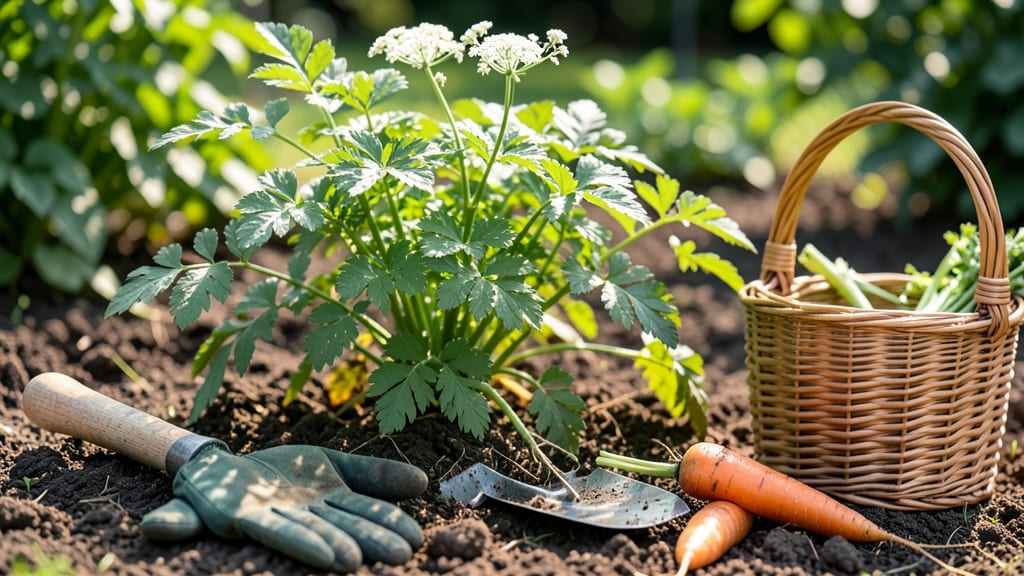
To pick carrots in your garden at the perfect time means you’ll pull out sweet, crisp roots instead of tough, stringy ones—so timing is everything.
Harvesting too early leaves you with undersized 🥕, while waiting too long turns them woody and bitter. The key? Checking both the leaves and the soil before you dig.
Most gardeners wait until the tops reach 4-6 inches tall and the roots are 1-2 inches wide, but there’s more to it than just size. Soil conditions and variety also play a role.
Below, I’ll walk you through the leaf pull test, soil checks, and seasonal cues so you never miss the window for the best carrots of the year.


How to test carrot maturity using the leaf pull method
One of the easiest ways to determine if your carrots are ready for harvest is by using the leaf pull method. This simple technique lets you check maturity without digging up every root.
When you see healthy, lush foliage reaching 4-6 inches tall, it’s time to investigate further. The leaves act like a maturity barometer, showing you whether the roots below are ready to eat.
Start by selecting a few outermost leaves from the plant. Gently grasp them near the base and give a firm but gentle pull. If the leaves come out easily with a small carrot root attached (about ½ inch in diameter), your carrots need more time.
This method helps you avoid undersized or overmature harvests, ensuring you get the perfect sweet, tender roots every time.
If the leaves resist slightly when pulled, it’s a good sign the roots are developing properly. Pay attention to the leaf color and texture—dark green and slightly waxy leaves indicate healthy growth. Avoid pulling leaves from the center of the plant, as this can stress the main root.
Step-by-Step Leaf Pull Test for Carrot Maturity
- Step 1: Choose a healthy carrot plant with 4-6 inch tall leaves.
- Step 2: Gently grasp 2-3 outer leaves near the base.
- Step 3: Pull upward with firm but gentle pressure.
- Step 4: If leaves pull out easily with a small root (½ inch), wait 1-2 more weeks.
- Step 5: If leaves resist slightly and root is 1-2 inches thick, carrots are ready to harvest.
- Step 6: Check leaf color—dark green means maturity, yellowing means overmaturity.
Another key indicator is the leaf growth pattern. If the leaves start to yellow or wilt, it’s a sign the carrot has bolted or is overripe.
This usually means the root has become woody and tough, losing its sweetness. To avoid this, harvest before the leaves show signs of stress.
For purple or red carrots, the leaf test is just as effective. Look for deep green or purple-tinged leaves, which often correlate with the root’s vibrant color below.
The leaf pull method works for all carrot varieties, from short Nantes types to long Danvers varieties, making it a versatile tool for any garden.
Timing your harvest with the leaf pull method also helps prevent forked or misshapen roots, which often happen when carrots are left too long in crowded soil. By checking the leaves regularly, you can thin seedlings early and give remaining plants enough space to grow straight and strong.
Pro tip: Perform the leaf pull test on a cloudy day or early morning when the soil is moist. This makes it easier to gently extract a test carrot without damaging the plant. If the root slips out cleanly with minimal resistance, it’s a clear sign of perfect maturity.
Once you’ve confirmed maturity using the leaf pull method, it’s time to harvest. Use a hand fork or trowel to loosen the soil around the base, then grasp the leaf tops and pull gently.
The root should come out easily if it’s ready. Store harvested carrots in a cool, dark place to maintain their sweetness and crispness.
Remember, the leaf pull method is a non-destructive way to test maturity without risking your entire crop. With practice, you’ll develop an eye for when your carrots are at their peak, ensuring a bountiful harvest every season.
Soil and root size checks: what to look for before harvesting
Before you pull a single carrot from the soil, checking two key factors will help you avoid the bitter, woody texture of overmature roots. First, evaluate the soil conditions—loose, well-draining soil ensures even growth, while compacted soil can cause forked or stunted roots.
Second, assess the root diameter, which should be between 1 to 2 inches for most varieties.
To test soil readiness, gently squeeze a handful of moist soil near your carrots. If it crumbles easily, the soil is ideal.
If it sticks together like clay, your carrots may struggle to develop properly. Rocks or debris in the soil can also distort root shapes, so always prepare your bed with stone-free, loose soil before planting.
⚠️ callout warning
Carrots left too long in the ground develop tough, fibrous roots and a bitter taste. Watch for these red flags:
- ❌ Roots >2.5 inches in diameter
- ❌ Leaves yellowing or wilting
- ❌ Skin cracks or splits from rapid growth
For a foolproof test, dig up one test carrot from the outer rows of your bed. If the root is pale, small, or forked, wait another 1 to 2 weeks.
If it’s deeply colored, firm, and 1-2 inches wide, your carrots are ready. This method also helps you spot pests or diseases early, like carrot rust fly damage or fungal spots.
Pay attention to the leaf health too—carrots with lush, dark green leaves (4-6 inches tall) are usually ready. If leaves are yellowing or bolting (sending up flower stems), your carrots may have already peaked in sweetness. Harvest immediately to avoid wasting your crop.
Seasonal timing matters too. In cool spring or fall weather, carrots grow slower, so they may need 80-90 days to mature. In warm summer conditions, they can reach harvest size in as few as 60 days. Always check your seed packet for variety-specific days to maturity.
Finally, use the "thumb test" on the soil surface: Press your thumb into the dirt near the carrots. If it leaves a shallow indentation that holds its shape, the soil is moist enough.
If it crumbles instantly, water lightly to prevent dry, woody roots. A well-hydrated soil ensures your carrots stay tender and sweet.