
Picking
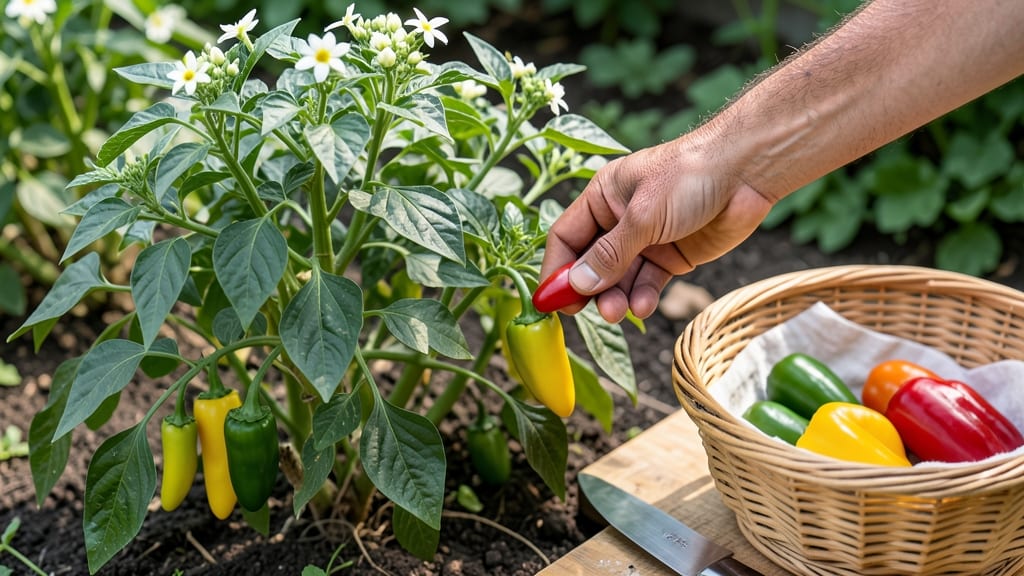
Picking your Garden Salsa Pepper 🌶️ at the wrong stage means losing the fiery heat and sweet depth that make them perfect for salsa — and timing it right could mean the difference between a bold harvest and a bland one.
If you’ve ever bitten into a pepper that’s too soft or still pale, you know the frustration of waiting too long — or worse, pulling it too soon and missing the peak flavor.
The secret lies in watching for the right color, size, and firmness, all while keeping an eye on your local frost dates.
In Zone 6a, where many gardeners grow these peppers, the harvest window runs from July through October, but the exact moment depends on whether you’re growing green, red, or yellow varieties.
A pepper ready to pick will be firm, glossy, and 2-3 inches long, with a deep, consistent color.
Below, I’ll break down the color-coded ripeness stages, how to test for doneness beyond just looking, and the 3 common mistakes that ruin even the best pepper harvests — so you can enjoy the spiciest, sweetest salsa all season long.


Color-coded ripeness stages for salsa peppers: when heat peaks
Understanding the color-coded ripeness stages of your garden salsa peppers is key to unlocking maximum capsaicin heat. Unlike many vegetables, peppers don't just ripen—they transform their spice profile as they mature.
The green-to-red transition isn't just about aesthetics; it's a science of flavor and heat development that can make or break your harvest.
Most salsa peppers start green when immature, but their true potential unfolds as they mature into red, yellow, or orange hues. This color change signals a peak in capsaicin concentration, the compound responsible for that signature kick.
However, not all varieties follow the same timeline—some stay green, while others transition through multiple colors before reaching their spiciest state.
Here's where timing becomes critical: harvesting too early means mild, grassy flavors with minimal heat, while waiting too long can result in overripe, soft peppers that lose their vibrant taste. The sweet spot lies in recognizing these visual and textural cues that indicate optimal ripeness for your specific pepper variety.
For example, jalapeños typically reach peak heat when they turn red or yellow, while serrano peppers may stay green but develop maximum spice at full size and firmness.
Even color-changing varieties like lipstick peppers (which go from green to red) require precise timing to capture their intense heat at the right moment.
The color transition in salsa peppers isn't just about aesthetics—it's a biological process where chlorophyll breaks down and carotenoids take over. This chemical shift coincides with the peak accumulation of capsaicin, the compound that gives peppers their fiery character.
For example, a jalapeño harvested green might measure around 2,500 SHU, but wait until it turns red, and you're looking at 8,000 SHU or more—that's a threefold increase in heat!
However, not all peppers follow this red-is-hottest rule. Some varieties, like serrano or thai chilis, stay green but develop their maximum heat at full size. Always check your seed packet or plant tags for variety-specific ripening patterns.
Even within the same species, environmental factors like temperature and sunlight can influence how quickly peppers transition colors and develop heat.
Timing your harvest isn't just about color—it's also about seasonal windows. In USDA Zone 6a, where frost typically arrives by mid-October, I recommend harvesting most salsa peppers by early September to avoid early frost damage.
For varieties that take longer to mature, like habaneros, consider starting seeds indoors 8-10 weeks before your last frost date to ensure they reach their peak ripeness before cold weather sets in.
Pro tip: If you're growing multiple pepper varieties, create a simple harvest schedule using colored flags or labels on your plants. This visual system helps you track each variety's ripening progress and ensures you don't miss the optimal harvest window for maximum heat.
For example, mark jalapeños with red flags when they start showing color changes, while serranos might get yellow flags when they reach full size.
Remember that heat levels aren't the only factor—flavor complexity also peaks at different stages. A green jalapeño might offer a fresh, grassy note perfect for salsa verde, while its red counterpart delivers a sweeter, fruitier profile ideal for roasted salsa.
The key is to experiment with different ripeness stages to discover which works best for your favorite recipes.
🌶️ For maximum heat and flavor, always harvest salsa peppers in the morning when temperatures are coolest. This preserves their freshness
How to test pepper ripeness beyond color: touch, size, and stem checks
Even when your salsa peppers look ripe, their true readiness hides beneath the surface. Color alone can be misleading—especially with green varieties that stay edible long after turning deep green. To avoid bland or underripe peppers, I rely on three key tests: firmness, size, and stem separation.
These methods help me decide whether to harvest for fresh salsa, drying, or canning.
Start with the firmness test, which reveals internal maturity. Gently squeeze a pepper—if it yields slightly like a ripe avocado, it’s ready. A hard pepper needs more time, while a soft one is overripe.
This test works best on mature peppers (2-3 inches long) and helps distinguish between fresh-eating and drying stages.
Next, check the size benchmark. Most salsa peppers should reach 2-3 inches in length before peak flavor. Smaller peppers (under 1.5 inches) lack full heat and sweetness.
Measure a few peppers daily—consistent sizing signals readiness. For jalapeño varieties, aim for 3-4 inches, while serrano peppers mature at 1-2 inches.
Fresh Eating vs. Drying/Canning
Fresh Eating
- ✅ Firmness: Slightly soft but not mushy
- ✅ Size: 2-3 inches (varies by type)
- ✅ Stem: Separates cleanly with gentle twist
- ✅ Color: Deep green, red, or yellow (varies)
Best for salsa, roasting, or grilling.
Drying/Canning
- ✅ Firmness: Fully firm, glossy skin
- ✅ Size: Slightly larger than fresh (3+ inches)
- ✅ Stem: Dry, papery texture at base
- ✅ Color: Peak vibrant color (red/yellow)
Ideal for dehydrated flakes or canned salsa.
Pro Tip: For maximum heat, harvest jalapeños when they turn red—they develop 2-3x more capsaicin!
The stem check is my final test. Twist a pepper gently at its stem—if it separates cleanly from the plant, it’s ready. A stubborn stem means more time, while a stem that pulls away easily signals overripeness.
This method works best in the morning when peppers are firmest. For long-term storage, I prioritize peppers with dry stems and vibrant colors.
Regional climate matters too. In hot climates, peppers ripen faster—check them every 2-3 days. In cooler areas, extend your timeline by 1-2 weeks. I’ve learned to adjust my harvest schedule based on local frost dates, ensuring I don’t miss the window between first frost (October 15) and peak ripeness.
For green salsa peppers, focus on size and firmness over color. A pepper that’s 2.5 inches long and glossy is perfect for fresh use, even if it’s still green.
If you’re drying, wait until it’s slightly softer and the skin wrinkles at the edges—a sign of concentrated flavors. Always harvest in the morning to preserve freshness and heat levels.
Remember, the earlier you harvest, the more peppers your plant will produce. Balance your needs: pick for fresh use when firm, and leave some to ripen fully for drying. With these tests, you’ll never guess again—just harvest with confidence! 🌶️