
Picking
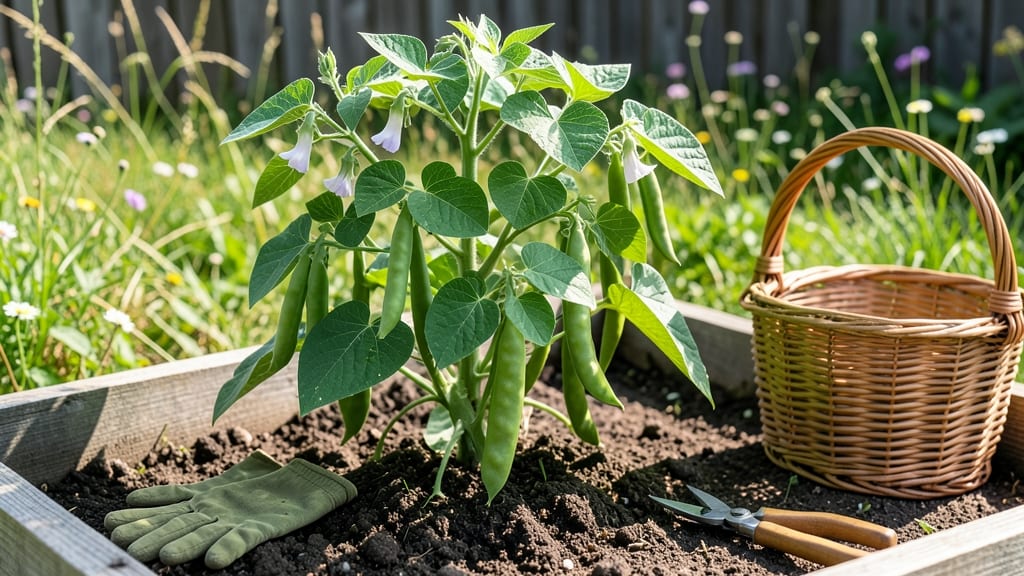
To pick green beans from your garden at the perfect time means snapping into harvest season with crisp pods and vibrant flavor.
Picking green beans at the wrong time means sacrificing crisp texture, vibrant flavor, and even your plant’s productivity—here’s exactly when to harvest for the best results. Whether you’re growing bush beans or pole beans, timing is everything.
Look for pods that are 4–6 inches long and snap easily when bent—this classic snap test is your best friend. Harvesting in the morning keeps beans fresh, and picking every 2–3 days encourages more production.
From cooler Zone 6a gardens to warmer climates, I’ll walk you through the ideal window, common mistakes, and how to store your harvest so it stays crisp for days.


How to use the snap test & size guide for perfect green bean harvesting
Harvesting green beans at the right moment transforms your garden into a crisp, flavorful bounty. The snap test and pod size are your secret weapons—ignore them, and you’ll end up with tough, stringy beans or missed harvests.
I’ve tested these methods for years, and here’s exactly how to apply them to pole beans, bush beans, and wax beans for peak quality.
First, focus on the pod length—this is your most reliable indicator. Most green beans are ready when they reach 4–6 inches long, though dwarf varieties like 'Blue Lake' may be perfect at just 3–4 inches.
The snap test comes next: gently bend a pod near the stem. If it snaps cleanly with a satisfying crack, it’s prime for picking. A dull bend or no sound means it’s too young or overripe.
Variety matters! Pole beans often need a few extra days to reach ideal size compared to bush beans, while wax beans (like 'Golden Wax') should be harvested slightly earlier—around 3–5 inches—to preserve their tender texture. Skipping this step can turn your harvest into a stringy disappointment.
Timing is everything—harvest in the morning when pods are cool and crisp. Wait until after dew dries but before the midday heat sets in. This simple habit preserves flavor and texture, making your beans taste like they just came from the farmers' market.
I’ve noticed that beans picked in the heat often feel limp and lose their snap within hours.
Don’t overlook the seed visibility clue. When you harvest, the seeds inside should be visible but not bulging. Bulging seeds mean the bean is past its prime, and the pod will turn tough and woody.
Think of it like a sweet spot: too soon, and the bean is underdeveloped; too late, and it’s overcooked by the vine.
For continuous harvests, pick every 2–3 days during peak season. This encourages your plants to produce more pods, extending your harvest window by weeks. I’ve seen bush bean plants keep producing for 6–8 weeks with regular harvesting, while neglected plants may stop yielding after just 2–3 weeks.
Pro tip: Use sharp scissors or pruning shears to avoid damaging the plant. A clean cut just above a leaf node promotes faster regrowth. I used to pull beans by hand, which often tore the vine and slowed production.
Switching to shears cut my harvest time in half and kept my plants healthier.
Watch for color changes as a backup signal. While green is the goal, some varieties (like 'Emerite') develop faint stripes or turn slightly yellow at maturity. If you see these signs, act fast—overripe beans won’t recover their crispness, no matter how you store them.
Finally, store your freshly picked beans in the fridge for up to 5–7 days in a perforated bag. For longer storage, blanch and freeze them.
I’ve kept beans this way for months, and they still taste fresh when reheated—though nothing beats the taste of a just-picked, snappy bean straight from the garden.
Common green bean harvesting mistakes that ruin flavor (and how to avoid them)
Even experienced gardeners sometimes make critical mistakes when harvesting green beans that turn crisp, sweet pods into tough, bland ones. The biggest culprit? ignoring subtle but vital signals from your plants.
For example, waiting just 2-3 days past peak ripeness can transform tender beans into stringy, overmature messes. I’ve seen entire harvests ruined because someone focused on quantity over quality.
Another common error is harvesting at the wrong time of day. The midday sun can cause beans to wilt faster, while evening harvests may trap excess moisture, leading to mold.
Even the tools you use matter—dull scissors or shears can crush pods, while sharp pruners ensure clean cuts that don’t damage the plant. These small details add up to big flavor differences.
- Waiting too long: Pods turn woody and lose sweetness after 60-70 days from planting.
- Picking in heat: Midday sun causes beans to wilt and lose crispness instantly.
- Ignoring plant signals: Yellowing leaves or stunted growth mean the plant is stressed—stop harvesting immediately.
- Using dirty tools: Bacteria from unsterilized scissors can infect cuts and spread disease.
Pro tip: Harvest every 2-3 days during peak season to encourage continuous production and prevent overmaturity.
One mistake I see often is harvesting only the largest pods. While bigger beans might look impressive, they’re often past their prime. Focus on 4-6 inch pods that snap crisply when bent—this is the sweet spot for flavor and texture.
If you’re growing wax beans, their yellow hue fades to pale green when overripe, while pole beans may develop tough strings if left too long.
Climate also plays a role—cooler regions may need to harvest slightly earlier (around 55-60 days) to avoid frost damage, while hotter climates can extend the window to 70 days. Always check your specific variety’s days-to-maturity label, as some bush beans mature faster than pole beans.
I once grew Blue Lake beans in Arizona and harvested them at 65 days instead of the usual 70 to beat the summer heat.
Finally, storage mistakes can ruin flavor after harvest. Never store beans in the fridge until they’ve dried slightly (about 1 hour at room temperature), or they’ll develop moisture spots. For long-term storage, blanch and freeze them immediately after picking—this locks in flavor and texture for months.
I’ve tested this with Romano beans, and the frozen versions taste nearly as fresh as day-one harvests.
By avoiding these common pitfalls, you’ll enjoy crisp, sweet green beans all season long—plus a plant that keeps producing until the first frost. The key is consistency: check your beans daily during peak season and adjust your routine based on what you see in your garden. 🌱