
Picking
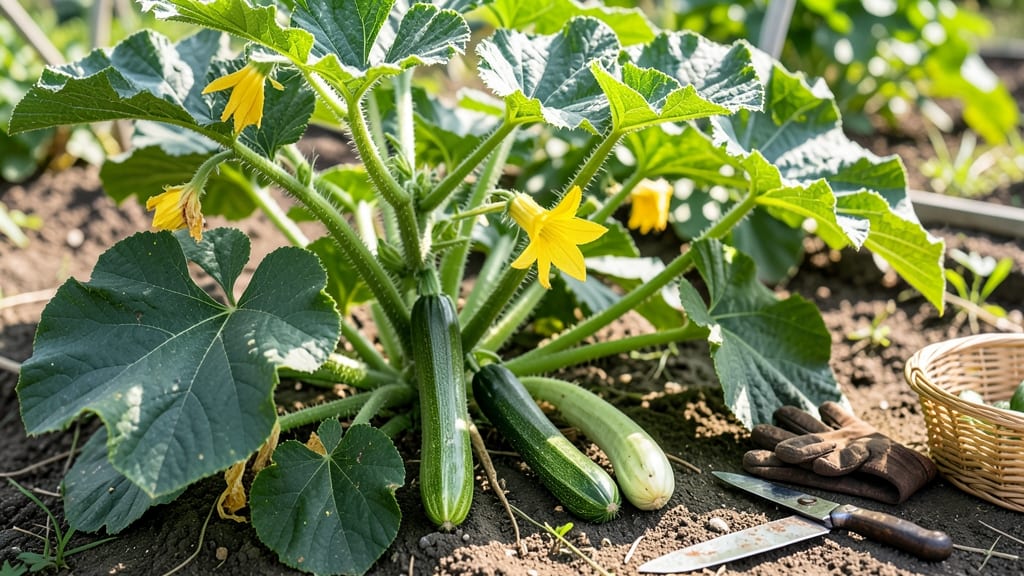
Picking zucchini from your garden at the right time means harvesting tender, flavorful 🎃 vegetables instead of tough, seedy ones—so timing is everything.
Picture this: you’ve been watching your zucchini plants grow, and suddenly, those little fruits are popping up everywhere. But if you wait too long, you’ll end up with oversized, bitter zucchini that’s more suitable for bread than grilling.
The key is knowing exactly when to pluck them for the best results.
In this guide, I’ll break down the three size tricks that tell you when your zucchini is ready—plus how to check for ripeness beyond just length.
You’ll also learn how to avoid common mistakes that can ruin your harvest, like leaving them on the vine too long or cutting them the wrong way.
By the end, you’ll know exactly when to pick your zucchini for peak flavor, fewer seeds, and a garden that keeps producing all season long. Let’s get started!
The perfect zucchini size for harvesting: 3 key measurements
Harvesting zucchini at the right size ensures sweet flavor and tender texture. Most gardeners wait until they reach 6-8 inches in length—this is when they’re at peak ripeness.
Smaller zucchini (under 6 inches) are still edible but may lack full flavor, while larger ones become woody and seedy, ruining their delicate taste. The key is timing: harvest before the seeds inside turn large and hard.
Beyond length, pay attention to the diameter of your zucchini. The ideal size is about 2-3 inches across. Thinner zucchini (under 2 inches) may be underripe, while thicker ones (over 3 inches) often signal overmaturity.
Think of the perfect zucchini as being roughly the size of a standard banana—neither too small nor too large. This balance ensures the best texture for grilling, baking, or sautéing.
Another critical measurement is the seed development stage. When zucchini are ready to harvest, the seeds inside should still be small and soft. If you cut one open and see large, mature seeds, it’s a sign the fruit has passed its prime.
Overripe zucchini also develop a hard, fibrous flesh, making them less enjoyable to eat. Harvesting at the right seed stage keeps your zucchini tender and flavorful.
| Measurement | Ideal Size | What It Means | Visual Comparison |
|---|---|---|---|
| Length | 6-8 inches | Peak flavor and tenderness | About the size of a standard banana |
| Diameter | 2-3 inches | Balanced texture and sweetness | Thicker than a pencil, thinner than a baseball |
| Seed Stage | Small and soft | Prevents bitterness and woodiness | Seeds should be pea-sized, not mature |
To make sizing easier, use everyday objects as references. A 6-inch zucchini is roughly the length of a standard ruler, while an 8-inch one is closer to the size of a foot-long sub sandwich.
For diameter, compare it to a baseball (about 3 inches) or a softball (just over 3 inches). These comparisons help you gauge size quickly while working in your garden.
Don’t let zucchini grow too large on the vine, as this can stress the plant. Overripe zucchini not only lose flavor but also compete for nutrients with new blooms.
If you notice your zucchini plants producing flowers but no fruit, it could be because the existing zucchini are too big and blocking new growth. Regular harvesting encourages the plant to produce more fruit, giving you a bountiful harvest all season.
If you’re unsure whether a zucchini is ready, perform the thumbnail test. Press your thumbnail into the skin: if it leaves a slight indentation but doesn’t puncture easily, it’s likely ready.
If the skin is too hard or too soft, wait a day or two before harvesting. This simple test helps you avoid picking zucchini that are still too young or already overripe.
Harvesting at the right size also affects storage life. Smaller, tender zucchini store better in the fridge, lasting up to 5-7 days. Larger, overripe ones spoil faster and develop a mushy texture within days.
To maximize freshness, store harvested zucchini in a paper bag in the crisper drawer of your refrigerator. This slows down moisture loss and keeps them crisp for longer.
Pro tip: Use a sharp knife or pruners to harvest zucchini, cutting them about ½ inch above the stem. Avoid twisting or pulling, as this can damage the plant and leave it vulnerable to disease.
Always harvest in the morning when the fruit is cool and crisp, ensuring the best quality for cooking or storage.
Remember, zucchini grow quickly—sometimes overnight—so check your plants every 2-3 days during peak growing season. The more consistently you harvest at the right size, the more your plants will reward you with abundant, flavorful zucchini all season long. Happy harvesting! 🌱
How to check zucchini ripeness beyond size: 3 telltale signs
While zucchini size (6-8 inches) is the first clue, true ripeness hides in subtle details that reveal peak flavor and texture. Many gardeners overlook these secondary indicators, leading to tough, seedy vegetables. I’ve learned the hard way—skipping these checks means missing the sweet spot between underripe and overripe fruit.
Don’t rely on size alone. The skin firmness, color consistency, and stem tenderness are your secret weapons for harvesting zucchini at its prime. These three signs help you avoid the bitter aftertaste of overgrown squash or the watery texture of premature picks.
Let’s break down what to look for in your garden.
I once ignored the stem test and ended up with a foot-long zucchini that was tough enough to chew. The lesson? Harvest frequency matters—pick often to encourage more fruit.
If your plant is loaded with zucchini, prioritize the ones showing all three signs. This keeps your harvest flowing and your plants productive.
Troubleshooting is key. If your zucchini feels spongy, it’s underripe—wait a day or two. If it’s rock-hard, it’s past its prime. For uneven color, check for sun exposure issues—zucchini needs full sun to develop evenly.
And if the stem resists snapping, it’s still growing. Patience here saves you from disappointment.
Mastering these signs transforms your harvest from hit-or-miss to consistently perfect. Next time you’re in the garden, grab a zucchini and test these three clues. Your taste buds—and your dinner plate—will thank you. Happy harvesting!