
Planting
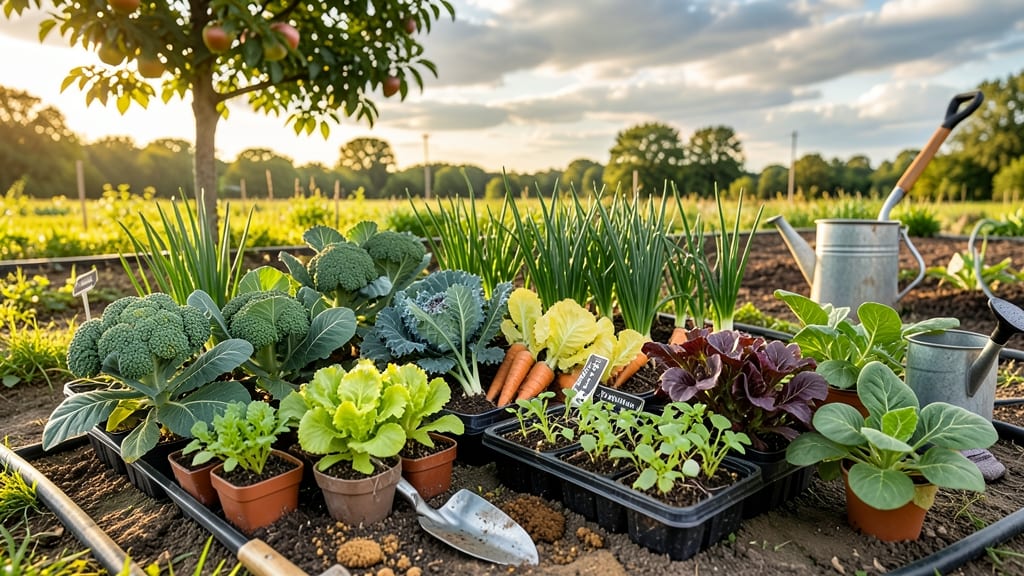
To plant a fall garden in Texas, start late July to mid-August for heat-loving crops like okra and sweet potatoes — timing this right means the difference between a bumper harvest and a sad, wilted mess.
Texas gardeners know the drill: plant too early, and your seedlings will fry in 100°F+ soil; too late, and frost zaps your efforts before you even taste that first homegrown tomato. The sweet spot? Beat the heat while still giving plants enough time to mature before the first chill.
This guide breaks down region-specific planting windows (North, Central, South Texas), soil prep secrets for our sandy or clay-heavy dirt, and which crops actually thrive in late-summer heat. No more guessing—just science-backed schedules to turn your backyard into a fall feast.
You’ll learn the exact weeks to sow everything from broccoli to black-eyed peas, how to stretch your season with row covers, and why your neighbor’s "perfect" timing might be killing your garden. Let’s get those seeds in the ground the right way.
Texas fall planting zones: when to start heat-tolerant crops by region
Texas' diverse climate means fall planting success depends entirely on where you live. Northern regions like Lubbock face earlier frosts, while South Texas stays warm longer.
Heat-tolerant crops like okra and sweet potatoes thrive when planted at the right time—typically late July to mid-September—before temperatures dip below 50°F at night.
Central Texas (Austin area) offers a 6-8 week window for heat-loving crops, while North Texas (Dallas/Fort Worth) gardeners have just 4-6 weeks before frost risks increase. The key is understanding your last frost date and planting heat-tolerant varieties that mature quickly before cooler weather arrives.
For South Texas (Houston and beyond), the growing season extends later, with black-eyed peas and collard greens handling mild winters. Meanwhile, North Texas gardeners should prioritize fast-maturing crops like bush beans and turnips to avoid frost damage.
Here’s a quick guide to regional planting windows for heat-tolerant crops, so you can start your fall garden on time—no guesswork needed.
| Region | Heat-Tolerant Crops | Planting Window | Key Notes |
|---|---|---|---|
| North Texas (Lubbock, Amarillo) | Okra, Sweet Potatoes, Black-Eyed Peas, Cowpeas | Late July - Early August | First frost: Mid-November. Prioritize fast-maturing varieties (60-75 days). |
| Central Texas (Austin, San Antonio) | Okra, Sweet Potatoes, Southern Peas, Malabar Spinach | Early August - Mid-September | First frost: Late November. Can extend season with row covers. |
| South Texas (Houston, Corpus Christi) | Okra, Sweet Potatoes, Black-Eyed Peas, Collard Greens | Mid-August - Late September | First frost: Early December. Some crops survive mild winters. |
| All Regions | Bush Beans, Turnips, Kale, Radishes | Late August - Early October | Transition crops for cool-season success. Plant 6-8 weeks before frost. |
In North Texas, I always start with okra and sweet potatoes by July 20th to ensure they mature before temperatures drop. These crops handle 90°F+ days but struggle when nights dip below 55°F.
For Central Texas, I extend the window slightly, planting black-eyed peas as late as September 1st for a late harvest.
For South Texas, the real advantage is the extended growing season. I’ve grown collard greens year-round here, but I still plant heat-tolerant crops like Malabar spinach by August 15th to capitalize on the warm weather. The key is soil temperature: aim for 65°F+ to ensure strong germination.
Pro tip: Use a soil thermometer to check temperatures before planting. Sweet potatoes need soil at 70°F+, while okra thrives at 80°F+. If your soil is too cool, wait a few days or use black plastic mulch to warm it up faster.
Don’t forget to harden off seedlings if you’re transplanting. Move them outdoors gradually over 5-7 days to avoid shock. For direct-sown crops like bush beans, simply scatter seeds after the last 90°F+ heatwave has passed.
Finally, keep an eye on local weather forecasts for early frost warnings. In North Texas, a sudden cold snap can arrive by October 31st, so I always have row covers ready to protect tender crops like turnips and kale.
With the right timing, your Texas fall garden can be just as productive as your spring one—maybe even more so, with sweet, heat-sweetened produce like okra and sweet potatoes at their peak. Happy planting! 🌱
Frost-ready fall vegetables: the best cool-season crops & their planting deadlines
When Texas temperatures dip, your garden doesn’t have to go dormant. Cool-season vegetables like kale and broccoli thrive in fall’s crisp air, often tasting sweeter after a light frost. The key? Planting at the right time to beat first frost dates while avoiding late-summer heat stress.
In North Texas, expect frost by mid-November, while South Texas can push harvests until December.
For most Texas regions, aim to plant frost-tolerant crops 6-8 weeks before your average first frost date. This ensures vegetables mature before temperatures drop below 28°F. In Central Texas, that means starting seeds by late August, while North Texas gardeners should begin in early September.
South Texas has more flexibility, with mid-September plantings often working.
Here’s your fall planting timeline for Texas, featuring the top 10 frost-resistant vegetables and their ideal last-planting dates by region:
| Vegetable | Last Planting Date | Days to Harvest | Frost Tolerance | Sun Needs |
|---|---|---|---|---|
| Kale | North TX: Sept 15 Central TX: Sept 25 South TX: Oct 10 |
30-60 days | Survives 25°F | Full sun to partial shade |
| Broccoli | North TX: Sept 1 Central TX: Sept 15 South TX: Sept 25 |
50-70 days | Survives 28°F | Full sun |
| Carrots | North TX: Aug 20 Central TX: Sept 5 South TX: Sept 15 |
60-80 days | Survives 20°F | Full sun |
| Spinach | North TX: Sept 10 Central TX: Sept 20 South TX: Oct 1 |
30-45 days | Survives 15°F | Partial shade |
| Lettuce | North TX: Aug 25 Central TX: Sept 10 South TX: Sept 20 |
30-50 days | Survives 25°F | Partial shade |
| Brussels Sprouts | North TX: Aug 1 Central TX: Aug 15 South TX: Sept 1 |
90-120 days | Survives 20°F | Full sun |
| Radishes | North TX: Sept 1 Central TX: Sept 10 South TX: Sept 20 |
25-30 days | Survives 20°F | Full sun |
For last-minute plantings, focus on fast-maturing varieties like radishes or baby spinach, which can be harvested in as little as 30 days. If frost threatens before harvest, use row covers or cold frames to extend the season by 2-4 weeks. Always check your