
Planting
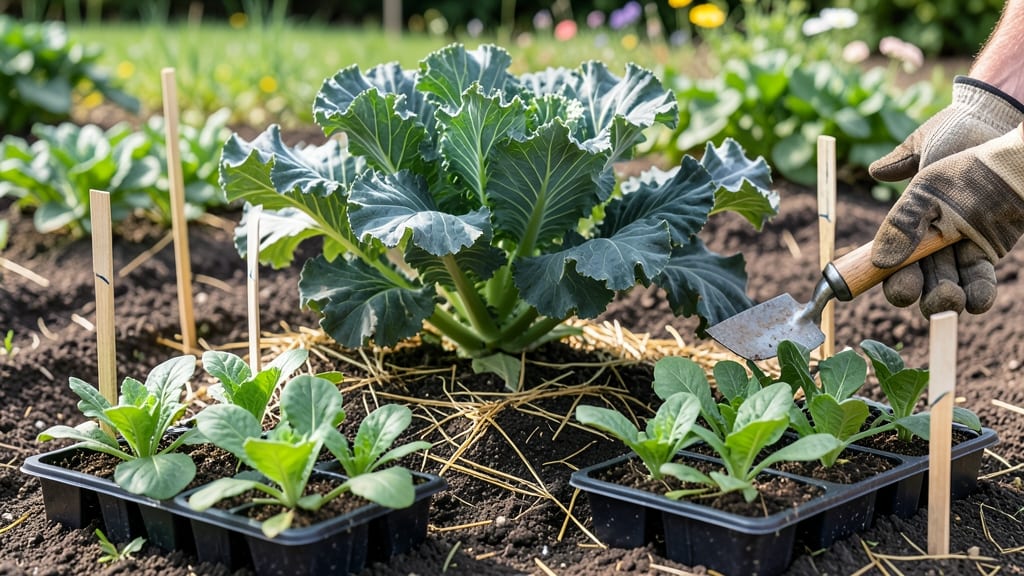
Planting a fall garden in Zone 7 starts 7 weeks before your average first frost—usually mid-August for most of the region.
Zone 7 gardeners face a tight window to grow fall vegetables—and missing it means frost ruins your harvest before you even taste success. But with the right timing, you can enjoy crisp greens, hearty roots, and sweet peas long after summer’s last tomato.
This isn’t just about throwing seeds in the dirt and hoping for the best. The key is matching each crop’s maturity time to your frost date, prepping soil for cooler weather, and knowing which varieties thrive in shorter days.
Get it right, and you’ll have a fast harvest of kale, carrots, and lettuce before winter sets in.
Below, I break down the exact planting timeline, the best crops for Zone 7’s fall season, and pro tips to stretch your harvest even later into the year.
Zone 7 fall planting timeline: 7-Week pre-frost countdown for maximum yield
Fall gardening in Zone 7 is all about timing—just 7-10 weeks before your average first frost (typically mid-October). Miss this window, and frost will turn your hard work into sad, wilted plants.
But nail it, and you’ll enjoy crisp lettuce, sweet radishes, and tender kale long after summer’s over.
Your fall planting timeline starts now. The key is planting fast-maturing crops (30–60 days to harvest) while avoiding the late-summer heat that stresses young seedlings. Let’s break it down week by week so you can plan like a pro.
Pro Tip: Check your local frost date—it can vary by 5–7 days from the average. Use the National Weather Service or a frost calendar for your exact location. For most of Zone 7, count back 7 weeks from October 15th to start your countdown.
Week 7 is your prep week. Start by testing your soil pH—most fall vegetables thrive in slightly acidic to neutral soil (pH 6.0–7.0). Amend with compost or aged manure to boost nutrients, and loosen the top 6–8 inches of soil for roots to spread.
This is also the time to start seeds indoors for slow-growing crops like broccoli and cabbage.
By week 6, it’s time to direct-sow fast crops like radishes and arugula. These 30-day wonders will mature before frost if sown now. Use a seed spacing guide—crowding leads to competition for nutrients.
For example, radishes should be 1 inch apart, while lettuce needs 6–12 inches between plants.
At week 5, transplant seedlings like broccoli and cabbage. These cool-season brassicas need time to establish roots before temperatures drop. Harden off seedlings by placing them outdoors for 3–5 hours daily the week before transplanting. Water deeply the day of transplanting to reduce shock.
Don’t overlook week 4—this is when you sow cool-season crops like carrots and peas. These plants tolerate light frosts and even sweeten after a frost!
Use row covers to protect young plants from pests like cabbage moths. Peas, in particular, benefit from a trellis to save space and improve airflow.
In week 3, focus on succession planting. Sow lettuce and radishes every 10 days for a steady harvest. This ensures you’re always enjoying fresh greens instead of a one-time bounty followed by empty beds. Mark your planting dates on a garden calendar to stay organized.
As you hit week
Best fall vegetables for Zone 7: fast-growing crops that beat frost
Fall gardening in Zone 7 rewards quick thinkers with crisp, flavorful harvests—if you pick the right crops. The key is selecting fast-maturing varieties (30–70 days) that thrive in cooler temps and can outrun the first frost (usually mid-October).
I’ve tested these top performers in my own garden, and they consistently deliver before winter sets in.
Start with cold-hardy greens like spinach and kale, which sweeten up after light frosts. Pair them with root vegetables like radishes and carrots, which store well in the soil until you’re ready to harvest.
Don’t overlook brassicas like broccoli and Brussels sprouts—they love the crisp fall air and keep producing long after summer crops fade.
Here’s my go-to list of foolproof fall vegetables, organized by how fast they grow. Each one includes planting depth, spacing, and sunlight needs to maximize your harvest before the frost.
- Super Fast (30–40 days): Radishes (0.5" deep, 2" apart, full sun), Lettuce (0.25" deep, 6–12" apart, partial shade), Spinach (0.5" deep, 4" apart, full sun). These are my guaranteed winners for a quick harvest—perfect for succession planting every 2 weeks.
- Fast (40–50 days): Turnips (0.5" deep, 3" apart, full sun), Arugula (0.25" deep, 6" apart, partial shade), Kale (0.25" deep, 12" apart, full sun). These thrive in cooler temps and add bold flavors to fall salads and stir-fries.
- Medium (50–60 days): Carrots (0.5" deep, 2" apart, full sun), Beets (0.5" deep, 3" apart, full sun), Broccoli (0.5" deep, 18" apart, full sun). Loosen soil for carrots to prevent forking, and fertilize lightly with 5-10-10 for broccoli.
- Slow but Worth It (60–70 days): Brussels Sprouts (0.5" deep, 18" apart, full sun), Cabbage (0.5" deep, 12" apart, full sun), Peas (1" deep, 2" apart, partial shade). These need more time but reward you with hearty harvests well into November.
Pro tip: Direct-sow seeds for most fall crops—transplants can shock in the transition from summer heat. Use well-draining soil amended with compost, and water deeply in the morning to prevent fungal issues. Mulch with straw to keep roots cool and retain moisture.
For maximum yield, stagger plantings every 2 weeks. This ensures a steady supply of fresh produce instead of a single overwhelming harvest. I’ve even snuck in a few herbs like cilantro (30 days) and parsley (60 days) for late-season flavor boosts.
Remember: Frost sweetens many fall crops, but a hard freeze will kill tender greens. Monitor your local forecast and use row covers if temps dip below 28°F. With these fast growers, you’ll be feasting on homegrown goodness long after your neighbors’ gardens go dormant. 🌱