
Planting
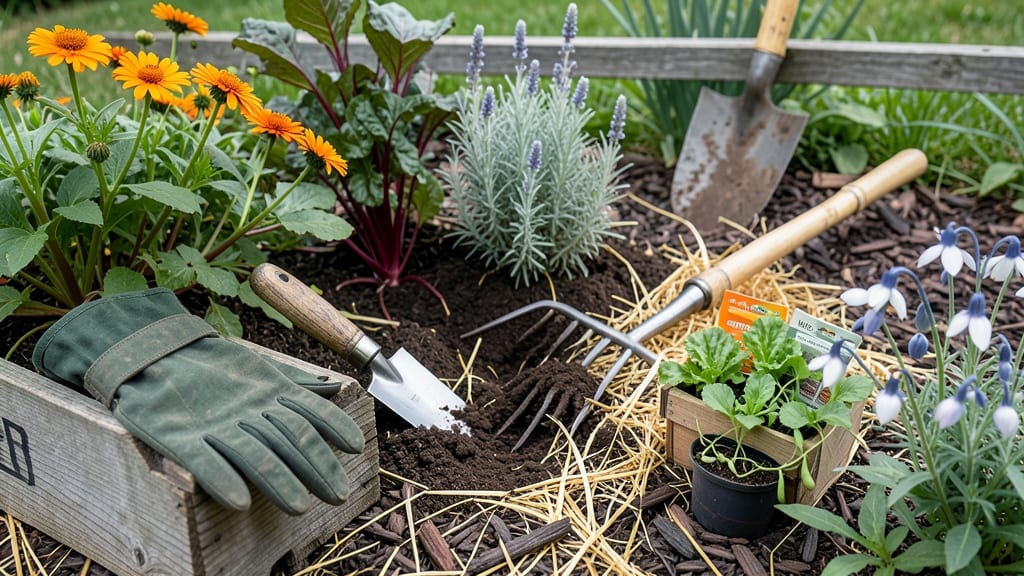
Planting a garden in Colorado at the right time means the difference between a bumper crop and a frost-killed disappointment.
Colorado’s diverse elevations—from high plains to mountain valleys—create wildly different planting seasons. One wrong move, and your hard-earned seeds could turn into a sad, icy snack for critters. But get the timing right, and you’ll enjoy fresh veggies straight from your backyard all summer long.
Most Colorado gardeners plant in March through May, but your exact window depends on elevation. Front Range growers (zones 5–6) can start cool-season crops like lettuce and peas as early as late February, while mountain gardeners (zones 4–5) should wait until late April or May to avoid late frosts.
Below, I break down the best planting months for every elevation zone, plus pro tips to stretch your season and protect your plants from Colorado’s infamous unpredictable weather. Ready to dig in?
Colorado frost dates by elevation: when to plant cool-season vs warm-season crops
Colorado’s dramatic elevation changes—from 2,500 feet on the plains to 10,000 feet in the mountains—create wildly different frost patterns. At 5,000 feet (Denver’s elevation), your last spring frost might arrive April 15, while at 8,000 feet (Aspen), it could linger until May 15.
Understanding these shifts helps you time cool-season crops (like spinach) and warm-season crops (like tomatoes) perfectly for your zone.
Microclimates add another layer of complexity. A south-facing slope warms up faster than a north-facing valley, potentially extending your growing season by 2–3 weeks.
Urban areas like Colorado Springs (6,000 ft) often experience earlier last frosts than rural areas at the same elevation due to heat island effects. Always check local weather records for the past 5 years to refine your planting schedule.
Below is a summary table of Colorado’s average last and first frost dates by elevation, along with ideal planting windows for cool-season and warm-season crops. Use these as guidelines, then adjust based on your microclimate and recent weather trends.
For cool-season crops like kale, spinach, and peas, plant 4–6 weeks before your last frost date. These crops thrive in 50–65°F soil and can even survive light frosts. At <
How to adjust planting times for Colorado’s unpredictable weather patterns
Colorado’s weather can shift from 60°F sunshine to 20°F frost in a single week, leaving gardeners scrambling to protect tender plants. The key to success? Flexible planting strategies that account for elevation, microclimates, and your local frost history.
Whether you’re in Denver’s urban heat islands or Aspen’s alpine gardens, these adjustments will help you beat Mother Nature’s curveballs.
Start by extending your season with tools like row covers and cold frames, which can push your planting window by 2–4 weeks in both spring and fall.
For example, a simple floating row cover over lettuce can protect it from light frosts down to 25°F, letting you sow seeds as early as mid-March in lower elevations.
Pair this with heat-tolerant varieties, like ‘Heatmaster’ tomatoes or ‘Black Seeded Simpson’ lettuce, to handle Colorado’s 90°F+ summer days without wilting.
- 1. Denver (5,280 ft, Zone 5b): Last frost April 20; first frost October 5. Plant spinach by March 15 (with row cover) and tomatoes after May 10.
- 2. Fort Collins (5,000 ft, Zone 5a): Last frost April 10; first frost October 10. Use black plastic mulch to warm soil for peppers planted April 1.
- 3. Aspen (8,000 ft, Zone 4a): Last frost June 1; first frost September 15. Stick to short-season varieties like ‘Early Wonder’ peas (50 days to harvest).
- 4. Grand Junction (4,500 ft, Zone 6a): Last frost March 25; first frost November 1. Plant warm-season crops like okra by April 15 for a long harvest.
- 5. Boulder (5,430 ft, Zone 5b): Last frost April 25; first frost September 25. Try succession planting every 2 weeks for bush beans from May 1–July 1.
For high-altitude gardens (above 7,000 ft), focus on cold-hardy crops like kale, radishes, and potatoes, which thrive in Colorado’s shorter growing seasons. In these areas, straw mulch (4–6 inches deep) insulates soil and retains moisture, while windbreaks protect delicate seedlings from chilly mountain winds.
Even in Zone 4, you can grow Swiss chard or turnips by starting seeds indoors in late February and transplanting after the last frost.
Don’t overlook fall planting, which can be just as productive as spring. In lower elevations (Zones 6–7), sow garlic in October for a summer harvest, or plant spinach and carrots in early September to harvest before winter.
Use low tunnels (hoop houses with row covers) to extend fall harvests by 4–6 weeks, shielding crops from early snow and radiation frost. This is especially useful in Pueblo (Zone 6a), where nights can drop to 20°F by October 15.
When selecting warm-season crops, prioritize fast-maturing varieties to avoid late-summer heat stress. For example, ‘Early Girl’ tomatoes (55 days to harvest) outperform slower varieties in Colorado’s short, intense summers.
Pair them with shade cloth (30–50%) to protect seedlings from scorching afternoon sun, especially in dry, low-humidity areas like the Western Slope. Always water deeply in the morning to prevent blossom-end rot in tomatoes and bolting in lettuce.
Finally, keep a gardening journal to track your local frost dates and adjust future plantings. Note when unexpected late frosts hit your area—like the May 2020 frost that damaged gardens across the Front Range
By combining season extenders, climate-adapted varieties, and microclimate awareness, you’ll turn Colorado’s unpredictable weather into an advantage. Your garden will thrive, no matter what the forecast brings.