Planting
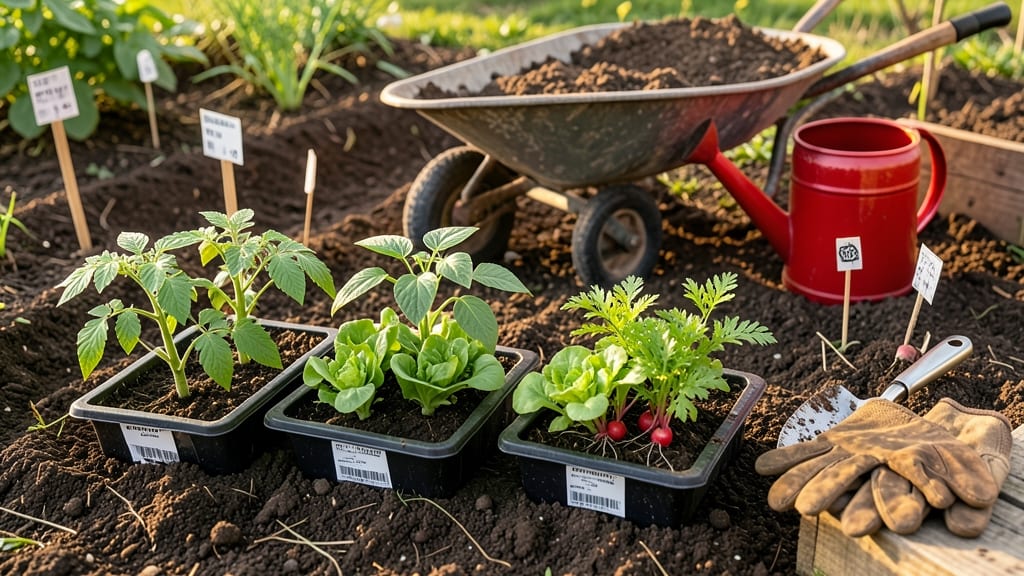
Plant a garden in Indiana between mid-April and early May for most vegetables and flowers, when the soil warms and the last frost has passed.
Indiana’s unpredictable spring weather can turn a gardener’s best-laid plans into a guessing game—but timing your plantings correctly means the difference between a bumper crop and a sad, frost-nipped disappointment.
Cool-season crops like lettuce and peas can go in as early as March, while warm-season favorites like tomatoes and peppers need to wait until the soil reaches at least 55°F.
Below, I break down the exact frost-free deadlines by region, the best crops for each window, and how to adjust if Mother Nature throws you a curveball.
Indiana’s frost-free dates by region: when to start planting vegetables
Indiana’s USDA hardiness zones 5-6 create distinct planting windows across the state, with northern regions like Lake County experiencing last frost dates around May 15 while southern areas near Evansville often see frost-free conditions by April 15.
These differences mean your cool-season crops and warm-season vegetables must be timed precisely to avoid frost damage or poor germination.
According to Purdue Extension data, Indiana’s frost-free timeline varies by 10-15 days between north and south. For example, tomatoes and peppers planted too early in northern Indiana may suffer from late frosts, while lettuce and spinach in southern Indiana risk bolting if sown after mid-April.
Understanding these regional differences is key to maximizing your harvest potential.
Here’s how Indiana’s regions break down for average last frost dates and corresponding planting windows:
For warm-season vegetables like tomatoes, peppers, and squash, wait until soil temperatures reach 60°F (15°C)—typically 2-3 weeks after your region’s last frost date. Use row covers if planting early to protect seedlings from unexpected cold snaps, which happen even after the "official" frost date.
In northern Indiana, this often means delaying until late May.
Conversely, cool-season crops such as spinach, kale, and peas should be sown 4-6 weeks before your last frost date. In southern Indiana, this means starting seeds indoors by mid-February for early spring harvests, while northern gardeners should wait until early April for direct sowing.
These timings prevent premature bolting or frost damage.
Indiana’s first frost dates also vary dramatically by region, typically arriving between October 15 (south) and November 1 (north).
This means fall planting of cool-season crops like broccoli and carrots can extend your harvest well into winter in southern Indiana, while northern gardeners should focus on late-summer succession planting to maximize yields before frost.
Pro tip: Use Purdue’s Frost-Free Date Calculator (available on their website) to get hyper-localized advice for your specific county. Even within a 20-mile radius, frost dates can shift by 5-7 days due to microclimates near lakes or urban heat islands.
For example, Gary (near Lake Michigan) often experiences later frosts than Muncie, despite being in the same general region.
Remember that soil temperature is more critical than air temperature for seed germination. Use a soil thermometer to confirm conditions—40°F (4°C) is ideal for cool-season crops, while warm-season plants need 70°F (21°C) or higher.
In Indiana, this often means waiting until late May for tomatoes in northern zones, even if the air feels warm earlier.
For herbs like basil and cilantro, timing is equally critical. Basil thrives in warm soil and should only be planted after May 10 in most of Indiana, while cilantro bolts quickly in heat—so plant it in early spring or late summer for the best results.
These nuances separate successful gardeners from those who struggle with frost-nipped seedlings or bitter herbs.
Start by marking your last frost date on your calendar and planning cool-season crops backward from that date, while warm-season plants should be counted forward. With Indiana’s variable climate, flexibility is key—always have row covers and seedling heat mats on hand to protect your investments from unexpected cold snaps.
Best planting schedule for Indiana’s most popular garden crops
Indiana’s two distinct planting seasons—spring and fall—offer gardeners two chances to grow a bountiful harvest. Warm-season crops like tomatoes and peppers thrive when planted after the last frost, while cool-season crops such as lettuce and herbs can handle early spring or late summer soil.
The key is knowing when soil temperatures reach the optimal germination range for each plant.
For most of Indiana, the average last frost date falls between April 15 and May 1, depending on your region. Southern Indiana tends to warm up faster than the northern part of the state.
Meanwhile, the first frost typically arrives between October 15 and November 1, giving you a window for fall plantings.
Soil temperature is the real game-changer. Most seeds won’t sprout until the soil reaches at least 50°F (10°C), while warm-season crops need 60-70°F (15-21°C) for best results. Use a soil thermometer to check before planting—it’s the most reliable way to avoid disappointment.
Here’s a quick reference for Indiana’s most popular garden crops, including both spring and fall planting windows:
| Crop | Spring Planting | Fall Planting | Soil Temp | Notes |
|---|---|---|---|---|
| Tomatoes | After last frost (May) | Not recommended | 60-70°F | Start indoors 6-8 weeks before transplanting |
| Peppers | After last frost (May) | Not recommended | 65-75°F | Longer growing season; use heat-tolerant varieties |
| Green Beans | After last frost (May) | Late July-August | 55-65°F | Sow seeds directly; succession plant every 2 weeks |
| Lettuce | Early spring (March-April) | August-September | 40-50°F | Plant in partial shade to prevent bolting |
| Basil | After last frost (May) | Not recommended | 60-70°F | Heat-loving; harvest leaves regularly for bushier growth |
For tomatoes and peppers, I always start seeds indoors 6-8 weeks before the last frost date.
This gives them a head start and helps avoid transplant shock when moving them outdoors. Green beans are one of my favorite succession crops—I plant a new batch every 2 weeks from May through July to ensure a steady harvest.
Don’t overlook fall planting for cool-season crops like lettuce and spinach. These thrive in Indiana’s late summer heat as long as they’re given afternoon shade. I’ve had great success planting lettuce in late August and harvesting it before the first frost.
Just be sure to use row covers if an early frost is forecasted.
Pro tip: If you’re unsure about frost dates, use frost-sensitive plants like tomatoes or peppers as your guide. When their leaves start to wilt in the morning but perk up by noon, you’re likely in the safe zone for planting. Happy gardening! 🌱