
Planting
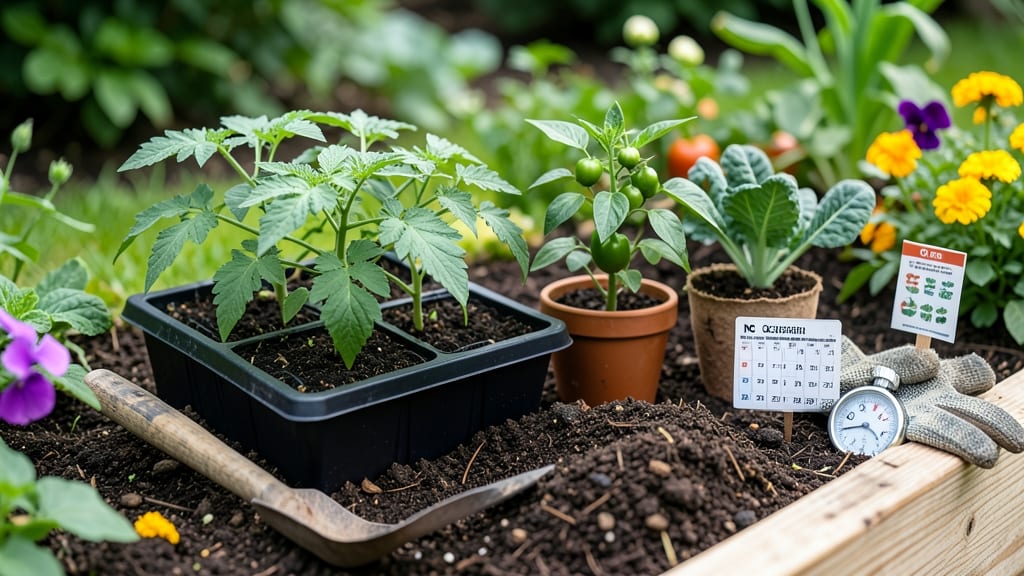
Planting a garden in North Carolina requires knowing the exact timing to avoid frost damage and maximize yields.
If you’ve ever rushed to plant and lost seedlings to a late frost—or waited too long and missed peak harvests—you know timing is everything. North Carolina’s climate varies wildly from the Coastal Plain to the Mountains, so a one-size-fits-all approach won’t work.
From cool-season crops like broccoli to heat-loving tomatoes, each plant has its own ideal window. Below, I’ll break down the best months for planting by NC zone, frost dates, and even how to adjust for unpredictable weather.
You’ll leave here with a clear schedule tailored to your corner of the state, so you can finally grow more and waste less.
North Carolina frost dates & planting zones: when to start seeds indoors vs outdoors
North Carolina spans USDA Zones 7a-8b, creating distinct planting windows across the state. The last average frost dates range from early March in the Coastal Plain (Zone 8a) to mid-April in the Mountains (Zone 7a).
These dates determine when to move tender plants outdoors and when to start cool-season crops.
For warm-season vegetables like tomatoes and peppers, you’ll want to start seeds indoors 6-8 weeks before your last frost date. In Zone 7a, that means mid-February to early March, while Zone 8b gardeners can begin late January to February.
This timing ensures seedlings are ready when soil temperatures reach 60°F+.
Cool-season crops like broccoli and spinach can handle light frosts. Direct-sow them 4-6 weeks before your last frost date—so late February in Zone 7a and early February in Zone 8b.
For a fall harvest, plant again 90 days before your first frost (typically late July to early August).
Here’s your NC frost date and planting zone guide to simplify decisions:
Use soil thermometers to confirm readiness—50°F+ for cool-season crops and 60°F+ for warm-season plants. In Zone 7a, wait until May 1 for heat-loving plants like okra and sweet potatoes, as early planting can stunt growth.
For succession planting, sow fast-growing crops like lettuce and radishes every 2-3 weeks until 6 weeks before your last frost. This ensures a continuous harvest. In Zone 8b, you can even plant winter greens like kale in October for a holiday harvest.
Extend your growing season with row covers or cold frames. These tools let you plant 2-4 weeks earlier in spring or 4-6 weeks later in fall. For example, spinach and peas can thrive under covers until late November in most of NC.
Watch for microclimates—south-facing slopes warm up 1-2 weeks earlier than shaded areas. If you’re near a large body of water, expect later frosts in spring and earlier frosts in fall due to temperature moderation.
Pro tip: Mark your calendar with these dates and set reminders for soil prep (4-6 weeks before planting) and seed starting. Use organic mulch after transplanting to retain moisture and regulate soil temperature.
By aligning your planting with NC’s frost dates and zones, you’ll avoid common mistakes like frost damage to tomatoes or bolting lettuce. Start with this guide, then adjust based on your local microclimate for a thriving garden! 🌱
Best planting months in NC by vegetable type: cool-season vs. warm-season crops
North Carolina’s diverse microclimates mean your tomatoes and lettuce thrive at different times. Cool-season crops like broccoli and spinach love spring’s mild temps, while peppers and squash crave summer’s heat.
Timing is everything—plant too early, and frost zaps your seedlings; too late, and you’ll miss peak harvests. Let’s break it down by month for NC’s most popular vegetables.
Start with cool-season crops in early spring (March-April) and late summer (August-September). These plants tolerate cooler temps and even light frosts.
For warm-season crops, wait until after the last frost date (typically mid-April to early May in most of NC) and plant through early summer. Succession planting is key—sow lettuce every 2 weeks for continuous harvests, while tomatoes and peppers benefit from a single early transplant.
- March-April: Cool-season crops like lettuce, spinach, broccoli, and peas. Start seeds indoors for tomatoes and peppers 6-8 weeks before last frost.
- May-June: Transplant tomatoes, peppers, squash, and beans after soil warms to 60°F+. Direct-sow cucumbers and corn in late May.
- July-August: Sow cool-season crops for fall harvests. Succession plant lettuce and radishes every 3 weeks. Avoid planting warm-season crops—they’ll bolt in heat.
- September-October: Last chance for warm-season crops like peppers and eggplants in southern NC. Focus on cool-season crops for winter harvests.
- Extend seasons: Use row covers to protect lettuce and kale from light frosts. Black plastic mulch warms soil for earlier tomato transplants.
For cool-season crops, aim for 60-70 days to maturity before the first frost (typically late October in most of NC). Broccoli and cabbage planted in August will be ready by October, while spinach sown in September thrives in cooler fall temps. Warm-season crops like tomatoes and peppers need 70-90 days of warmth—plant them in early May for a summer harvest or late July for a fall crop in southern NC.
Don’t forget succession planting! Sow lettuce every 2 weeks from March to September for a continuous supply. Radishes mature in just 30 days, making them perfect for filling gaps.
For tomatoes, stagger transplants every 2 weeks to extend harvests. Row covers can push harvests earlier or later by 2-3 weeks, shielding plants from light frosts or heat stress.
Soil temperature matters just as much as air temperature. Use a soil thermometer—warm-season crops need soil at 60°F+, while cool-season crops prefer 40-50°F.
Amend heavy clay soil with compost to improve drainage, especially for peppers and tomatoes, which hate soggy roots. Mulch with straw to retain moisture and suppress weeds, giving your plants the best start.
Pro tip: Keep a gardening journal to track your planting dates and success. Note which varieties thrive in your microclimate—some tomatoes, like Celebrity, handle NC’s heat better than others. Adjust your schedule yearly based on your observations. Happy planting! 🌱