
Planting
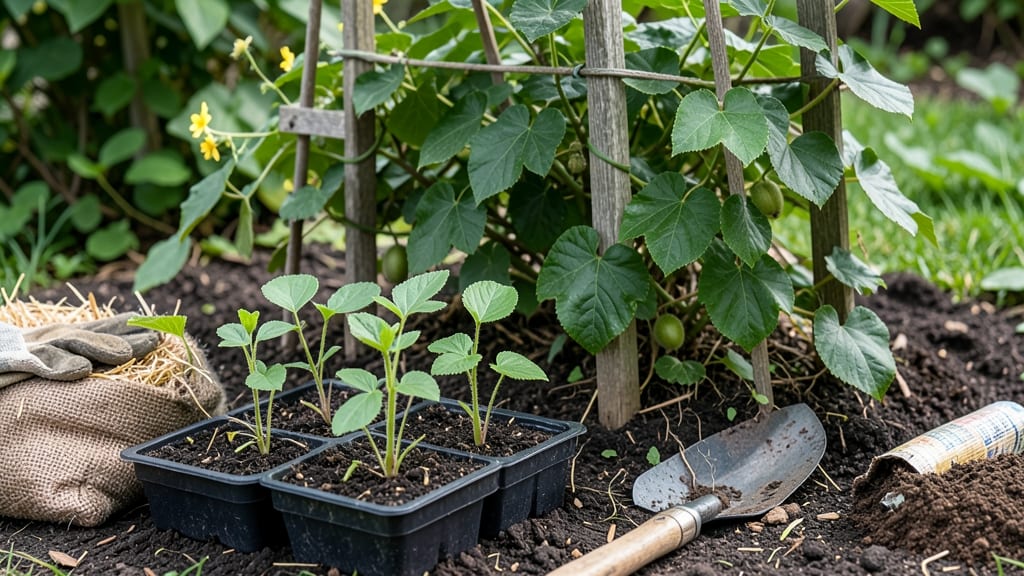
Planting a garden in North Dakota means timing is everything—get the dates wrong, and you’ll either lose seedlings to frost or miss the harvest window entirely.
With USDA Zones 3-5 and short summers, North Dakota’s growing season demands precision. Plant too early, and a late frost will wipe out your hard work; too late, and you’ll be left with underwhelming yields before the first frost hits.
This guide breaks down the exact frost-free windows by zone, so you know when to start seeds indoors, transplant seedlings, and plant directly in the soil for cool-season crops like peas or warm-season favorites like tomatoes.
You’ll also discover how to stretch your season with row covers, succession planting, and other tricks to squeeze every last harvest out of North Dakota’s brief but productive growing window.
North Dakota frost-free dates by USDA plant hardiness zones
Understanding your USDA Plant Hardiness Zone is the first step to timing your North Dakota garden perfectly. The state spans zones 3-5, with dramatic regional differences—Fargo (zone 4a) enjoys 100-120 frost-free days, while western areas like Dickinson (zone 4b) stretch to 130 days.
These variations mean your last spring frost could arrive weeks earlier in the southwest than in the Red River Valley.
Cool-season crops like spinach and peas thrive when planted 4-6 weeks before your last frost, while warm-season favorites such as tomatoes and beans need soil temperatures above 50°F and all frost risk passed.
Misjudging these timelines can mean bolted lettuce or stunted zucchini—neither of which you want in your ND garden!
Here’s how to use this data: Zone 3 gardeners (northwest ND) should wait until mid-May for warm crops, while Zone 5 areas (southeast ND) can start as early as late April.
Even within cities, microclimates matter—urban heat islands in Fargo may warm up 3-5 days earlier than rural areas.
For cool-season crops, start seeds indoors in March (zone 4-5) or April (zone 3) to get a jump on the season. Direct-sow hardy greens like kale or radishes as soon as soil is workable—often by late April in zone 5 or early May in zone 3.
Warm-season plants? Wait until after Mother’s Day (around May 10-15) for most of the state.
🌱 Pro Tip: Use the ND State University Extension’s frost date maps for hyper-localized data, as your exact last frost can vary by 7-10 days even within the same zone.
Your first frost dates are equally critical for fall planting. In Zone 3, expect frost by September 15, while Zone 5 areas often hold off until October 1. This means broccoli or carrots planted in early August can mature before winter—just don’t push it!
For warm-season crops like peppers, use row covers to extend harvests into early October.
Regional quirks matter: The Missouri River Valley (e.g., Bismarck) often warms 5-7 days faster than inland areas due to river moderation. Meanwhile, western ND (e.g., Dickinson) can experience sudden temperature swings, making late May plantings riskier.
Always have row covers or a greenhouse ready for late surprises!
For succession planting, aim to stagger lettuce or radishes every 2 weeks from May through July. This ensures continuous harvests despite ND’s short 90-150 day growing windows. Fast-maturing crops like bush beans (50 days) are your best friends—plant them in early June for a July-August harvest before frost.
🌿 Remember: ND’s soil temperature lags behind air temperature. Use a soil thermometer—warm-season plants won’t germinate until soil hits 60°F+
Best planting schedule for North Dakota’s top vegetables and flowers
North Dakota’s short growing season (typically 90-120 frost-free days) means timing is everything. I’ve planted potatoes, beans, and sunflowers for years here, and the difference between a thriving garden and a failed one often comes down to when you put seeds in the ground.
Warm-season crops like tomatoes and peppers need to wait until after the last frost, while cool-season kale and spinach can handle early spring plantings. Let’s break it down by month to make the most of your ND garden.
Start with hardened-off seedlings or direct-sow cold-hardy crops in early May once soil temperatures reach 45°F+. This is your window for potatoes, peas, and radishes—they’ll tolerate light frosts and give you early harvests.
For warm-season lovers, hold off until mid-to-late May when nighttime temps stay above 50°F. I’ve learned the hard way that planting tomatoes too early leads to stunted growth or worse—frost damage.
Here’s your month-by-month planting guide for North Dakota’s top crops, including succession planting tips to stretch your harvests:
Plant potatoes, peas, radishes, spinach, lettuce, and kale. Soil should be workable (45°F+). Use row covers for extra frost protection.
Start beans, corn, squash, and sunflowers. Wait until nighttime temps stay above 50°F. Direct-sow cucumbers and melons if your season is long.
Transplant tomatoes, peppers, and eggplants (start indoors in April). Succession plant beans and lettuce every 2 weeks for continuous harvests.
Plant fall crops like broccoli, cabbage, and beets for late-season harvests. Keep succession plantings of bush beans and radishes going.
Direct-sow spinach, kale, and turnips for fall harvests. Protect tender crops with row covers if frost threatens early.
Use succession planting for beans, lettuce, and radishes every 2 weeks from May to July to avoid glut and ensure fresh harvests all season.
For flowers, sunflowers and zinnias are my go-tos—they thrive in ND’s short season and attract pollinators. Plant sunflower seeds directly in late May for summer blooms, while pansies and snapdragons can handle early spring or fall plantings.
I’ve seen sunflowers reach 6 feet in just 90 days—perfect for ND’s timeline!
Don’t forget to monitor frost dates—ND’s first frost can hit as early as mid-September in northern zones. Use row covers or cold frames to extend harvests for broccoli, kale, and spinach.
I’ve kept kale producing until Christmas with a simple hoop house setup. Every extra week counts in our climate!
Pro tip: Keep a gardening journal to track your planting dates and