
Planting
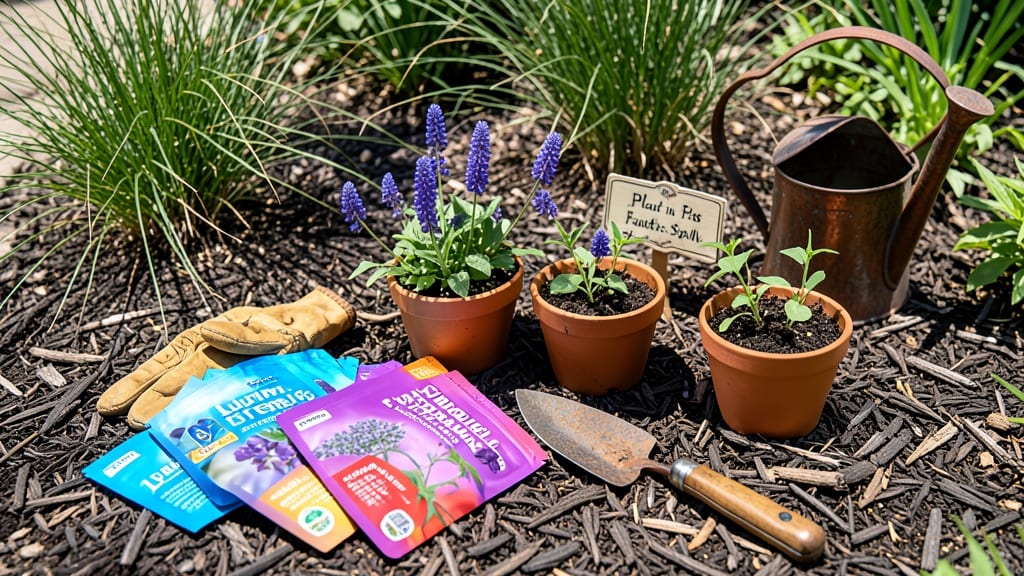
Planting a garden in Texas at the wrong time can mean wilting seedlings before they even sprout, but timing it right unlocks a year-round harvest of heat-tolerant crops.
Texas gardeners face a unique challenge: scorching summers and unpredictable frost dates. Planting at the wrong time can mean wasted seeds and stunted growth—but timing it right unlocks a year-round harvest of heat-tolerant crops.
Whether you're in North Texas where frost lingers until February or South Texas with near year-round growing potential, knowing when to put seeds in the ground is the difference between a bountiful harvest and a disappointing patch of dirt.
In this guide, I’ll break down the best planting windows by zone, share seasonal planting hacks, and help you avoid common mistakes that even experienced Texas gardeners make.
Texas frost dates & planting Zones: critical deadlines by region
Texas gardeners know timing is everything—especially when unpredictable frost dates can turn a thriving garden into a frozen disappointment. The Lone Star State spans USDA Zones 7a to 10b, creating dramatic differences between North Texas' chilly winters and South Texas' near-tropical conditions.
Understanding your frost-free period is the key to avoiding wasted seeds and maximizing harvests.
In North Texas (Zones 7a-8a), gardeners face earlier frosts—often between November 15 and December 15—while South Texas (Zones 9a-10b) rarely sees frost before January. Central Texas (Zones 8a-9a) falls somewhere in between, with frost dates shifting 2-4 weeks earlier than the Gulf Coast.
These variations dictate whether you can grow cool-season crops like broccoli or stick to heat-lovers like okra.
Here’s the critical rule: Cool-season crops (leafy greens, root veggies) need to be in the ground 4-6 weeks before the last frost, while warm-season crops (tomatoes, peppers) should wait 2-3 weeks after.
Miss these windows, and you’ll either face frost damage or wilting heat stress. Let’s break down your region’s deadlines.
North Texas gardeners have the shortest frost-free window, so I recommend starting cool-season crops indoors in January for a head start. Lettuce, spinach, and peas can handle light frosts, but broccoli and cabbage need protection if temps drop below 25°F.
Use row covers or cold frames to extend your season by 2-3 weeks.
Central Texas offers a longer growing window, making it ideal for succession planting. After your last frost (March 1), sow warm-season crops like beans and squash directly into the soil. For fall harvests, replant cool-season crops in August—just be prepared for early November frosts.
South Texas is the envy of gardeners—with 300+ frost-free days, you can grow almost anything year-round if you manage water and shade. Tomatoes, peppers, and eggplants thrive here, but avoid planting during peak summer heat (June–August) unless you’re using shade cloth or drip irrigation.
Even then, heat-loving crops like okra prefer 85°F+ temps.
Pro tip: Use local frost date apps like the National Weather Service’s Frost/Freeze Tool for real-time updates. In my experience, actual frost dates can vary by 1-2 weeks from averages—so always have row covers ready for unexpected cold snaps.
For North Texas, I’ve lost entire cabbage patches to late-March fro
Best heat-tolerant vegetables to plant in Texas by season
Texas's brutal summers and unpredictable frost dates demand heat-tolerant crops that thrive when temperatures soar. The key is planting warm-season vegetables after the last frost and cool-season crops in early spring or fall.
I’ve grown these Texas-proven varieties in my own garden—some handle 100°F+ heat like champions while others need shade during peak afternoons.
For North Texas gardeners (Zones 7b-8a), focus on late March to early April plantings, while South Texas gardeners (Zones 9a-10b) can start as early as February and even fall-plant in October. The secret? Companion planting to deter pests and mulching to retain moisture—critical in our drought-prone climate.
- 1 Okra – Plant March-May and August-September; thrives in 90°F+ heat. Companion: Plant with basil to repel pests.
- 2 Sweet Potatoes – Start slips April-May; loves hot, dry conditions. Companion: Avoid planting near potatoes (competes for nutrients).
- 3 Peppers (Jalapeño, Serrano) – Sow March-April and August-September; needs full sun. Companion: Pair with tomatoes for better flavor.
- 4 Southern Peas (Cowpeas) – Plant April-May; fixes nitrogen in soil. Companion: Great near corn to improve growth.
- 5 Eggplant – Transplant March-April; needs rich soil. Companion: Avoid planting near potatoes (shared diseases).
- 6 Squash (Butternut, Zucchini) – Sow March-April; use row covers for young plants. Companion: Plant with nasturtiums to deter squash bugs.
My top tip for Texas gardens? Succession planting every 2-3 weeks ensures a continuous harvest. For example, sow okra seeds in March, then again in August to stretch your growing season. And always water deeply in the morning—this prevents blossom-end rot in tomatoes and keeps roots cool.
Don’t overlook shade cloth for delicate crops like lettuce or spinach during summer months. I use 30% shade cloth to protect greens from scorching while still allowing light through. Pair these heat-lovers with drought-tolerant herbs like rosemary or thyme to create a low-maintenance Texas-friendly garden.
Protect your young seedlings from Texas’s unpredictable spring frosts by using frost cloth or even old bedsheets on chilly nights. Once established, these heat-tolerant crops will reward you with bountiful harvests—even when the mercury climbs. 🌱