Planting
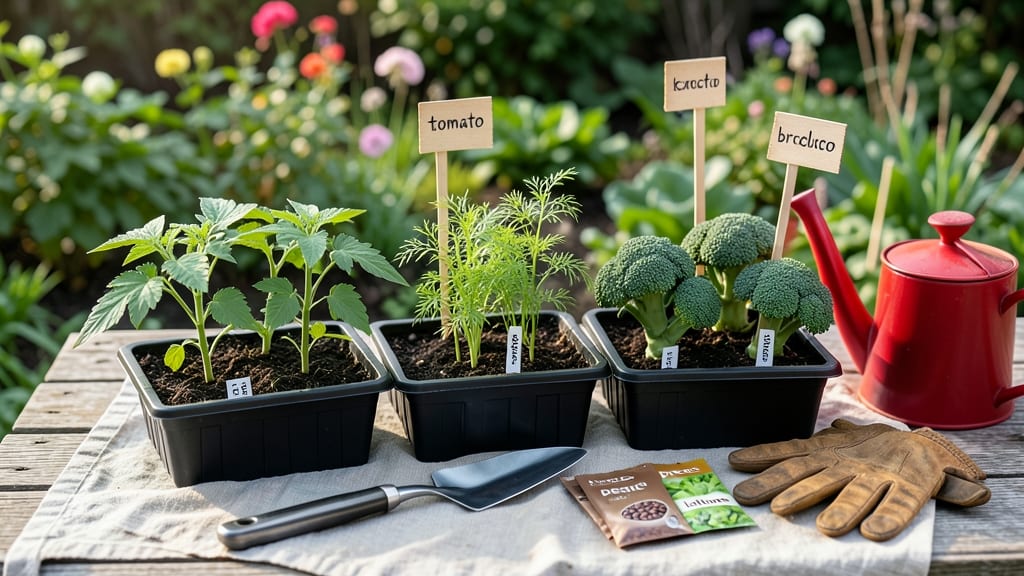
Planting a garden in Washington State depends on when your zone’s last frost passes — typically mid-April in Western WA but as late as early June in the Columbia Basin.
Washington State’s diverse climate—from the rainy Pacific Northwest to the arid deserts of Eastern Washington—means your garden’s planting timeline depends heavily on your specific microclimate.
Get it wrong, and your seeds could freeze; get it right, and you’ll enjoy a bountiful harvest months ahead of schedule. Here’s how to align your planting with your local frost-free window.
We’ll cover the best months for cool-season crops like spinach and peas, warm-season staples like tomatoes, and regional adjustments for Puget Sound, the inland desert, and everything in between.
Washington State planting Zones: frost-free deadlines by USDA Zone and microclimate
Washington State spans USDA hardiness zones 5 through 9, creating wildly different planting windows depending on where you live. The Puget Sound region (Zones 7-8) enjoys milder winters with later frosts, while Eastern Washington (Zones 5-6) faces earlier freezes and shorter growing seasons.
Even within the same zone, microclimates—like coastal areas or mountain valleys—can shift your frost-free deadline by 2-4 weeks.
Understanding these variations is critical because planting too early risks frost damage to tender seedlings, while waiting too long may limit your harvest. For example, tomatoes and peppers in Zone 7 can go in by early April, but in Zone 5, you’ll need to wait until mid-May.
Let’s break down the key deadlines and regional adjustments to help you time your garden perfectly.
The summary-table below highlights the average last frost dates by zone, along with regional exceptions. Use this as your starting point, then adjust based on your specific location’s elevation and proximity to water—coastal areas stay warmer longer, while inland spots can freeze unexpectedly.
If you’re in Zone 7 or 8, you’ll find the longest growing season, with cool-season crops like lettuce and peas often ready by February under row covers. In contrast, Zone 5 gardeners should focus on fast-maturing varieties or start seeds indoors in March to avoid late frosts.
For example, cherry tomatoes might take 60 days to harvest—plant them by April 15 in Zone 7 but wait until May 1 in Zone 5.
Elevation plays a huge role: Every 1,000 feet gain can delay your last frost by 3-5 days. That means a Seattle garden at sea level might plant basil by April 10, while a Snoqualmie garden at 2,000 ft should wait until April 25.
Check local weather stations or use the WA State University Extension’s frost maps for precise data.
Coastal areas also benefit from maritime influence, which moderates temperatures. For instance, Bellingham (Zone 8) can plant cucumbers in early April, while Wenatchee (Zone 6) in the inland valleys should wait until mid-May to avoid frost.
Pay attention to microclimate pockets, like south-facing slopes that warm up faster or sheltered valleys that trap cold air.
To maximize your garden’s potential, I recommend planting cool-season crops (like broccoli and spinach) as soon as the soil is workable—often 2-4 weeks before your last frost date. For warm-season crops (tomatoes, peppers), wait until 2 weeks after your last frost to ensure no surprise freezes.
Use frost-sensitive indicators like hyacinths (plant bulbs in fall; blooms signal safety for warm crops).
Don’t forget about fall planting! Many cool-hardy crops thrive when planted in August or September, giving you a second harvest before winter.
In Zone 7, you can often plant garlic in October for next summer’s harvest, while Zone 5 gardeners should aim for early September to avoid early frosts. Always check your first frost date—typically October 15 to November 15—to plan accordingly.
For the most accurate timeline, combine the USDA zone data with local observations. Keep a garden journal for 2-3 years to note when your specific microclimate truly warms up.
With this approach, you’ll avoid common mistakes like planting too early in cold pockets or missing the window for heat-loving plants in short seasons.
Ready to dive deeper? Next, we’ll cover a month-by-month planting calendar
Best planting calendar for washington gardens: month-by-month guide by crop type
Washington’s gardening seasons vary wildly—from the mild coastal zones of Puget Sound to the hotter inland valleys of Eastern WA. My month-by-month calendar adjusts for these differences, so you can plant cool-season crops early in the spring or warm-season favorites after the last frost.
Let’s break it down by crop type and region.
For Western WA (Zones 7–9), like Seattle or Bellingham, you’ll plant cool crops like spinach and peas as early as February under row covers.
Meanwhile, Eastern WA (Zones 5–7), such as Yakima or Spokane, waits until April due to later frost dates. Perennials like berries and herbs like rosemary thrive with early starts, but tomatoes and peppers need warm soil—so time them right!
Western WA: Plant spinach, peas, lettuce, and broccoli under row covers. Eastern WA: Wait until late March for frost-sensitive crops.
Move tomato, pepper, and basil seedlings outdoors after last frost (Western WA: mid-April; Eastern WA: late April). Use black plastic mulch to warm soil faster.
Sow beans, cucumbers, and squash directly into well-drained soil. Herbs like dill and cilantro love this cooler transition period.
Replace early cool crops with fall lettuce, kale, and radishes. Perennials like raspberries benefit from summer pruning to boost next year’s yield.
Garlic and onions go in now for harvest next summer. Cover crops like clover protect soil over winter.
Don’t overlook perennial herbs like thyme or oregano—they thrive when planted in early spring or fall.
For berries like strawberries, start in March (Western WA) or April (Eastern WA) for a summer harvest. Adjust for elevation: Mountain gardens in the Cascades may need a 2–3 week delay compared to valley floors.
Pro tip: Use WA State University Extension’s frost maps to pinpoint your exact last frost date.
I’ve planted tomatoes in late May in Seattle with success, but in Wenatchee, I wait until June 1st to avoid surprise frosts. Soil temperature matters more than air temperature—use a soil thermometer to confirm readiness for warm crops.
Remember, succession planting keeps your garden productive. After harvesting early spring peas, replant with bush beans or carrots for a continuous harvest. Fall crops like kale and Brussels sprouts sweeten after frost, making late-season gardening just as rewarding as spring planting.